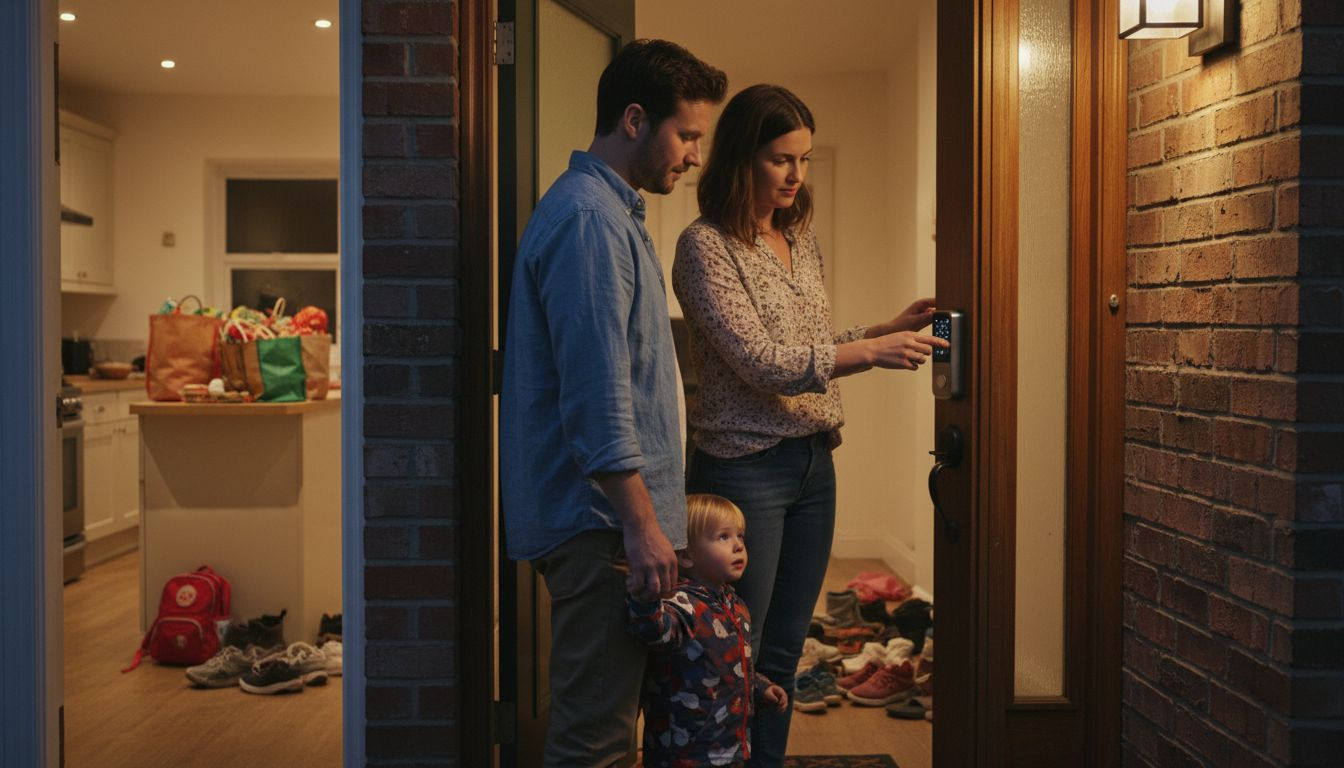
Understanding why prioritize smart home security has become essential for modern homeowners. Over **80 percent of American homeowners in major cities now rely on smart security systems to safeguard their families and property. Urban living brings unique challenges, from rising break-in rates to the growing need for real-time monitoring and control. Understanding how today’s smart home security integrates advanced devices, mobile technology, and proactive defenses will help you protect what matters most while boosting your home’s modern functionality.
Table of Contents
- What Smart Home Security Involves Today
- Key Devices And Their Security Roles
- Major Threats Facing Connected Homes
- Essential Protection Strategies And Features
- Costs, Mistakes, And Security Comparisons
Key Takeaways
| Point | Details |
|---|---|
| Smart Home Security Evolution | Modern smart home security systems integrate multiple devices for enhanced control and monitoring, moving beyond traditional alarm systems. |
| Key Device Types | Essential components include smart cameras, smart locks, and sensor networks, each providing unique security benefits. |
| Threat Awareness | Users must recognize the potential vulnerabilities of connected devices, such as data breaches and network infiltration. |
| Proactive Protection Strategies | Implementing strong authentication, regular updates, and network segmentation are critical for safeguarding smart home systems. |
Why Robust Smart Home Security Matters Today
Smart home security has transformed from basic alarm systems into sophisticated, interconnected networks that protect homes using advanced technologies. Home automation networks now integrate multiple sensors, cameras, and intelligent devices to create comprehensive security ecosystems. These systems go far beyond traditional lock-and-key approaches, offering homeowners unprecedented control and monitoring capabilities.
Today’s smart home security involves several critical components that work together seamlessly. These typically include:
- Smart Cameras: High-definition video surveillance with motion detection
- Connected Locks: Keyless entry systems with remote access and temporary digital keys
- Sensor Networks: Sophisticated motion and intrusion detection systems
- Mobile Integration: Smartphone apps allowing real-time monitoring and control
- Cloud Storage: Secure video and event logging for later review
The primary goal of modern smart home security is creating a proactive defense system that not only responds to threats but anticipates and prevents potential security breaches. Homeowners can now receive instant smartphone notifications about unusual activities, view live camera feeds, and even remotely lock or unlock doors from anywhere in the world.
Pro tip: Always ensure your smart home security devices receive regular firmware updates to protect against potential cybersecurity vulnerabilities.
Key Devices and Their Security Roles
Smart home security relies on an intricate network of sophisticated devices, each playing a unique and critical role in protecting your home environment. Smart home security systems integrate multiple technologies that work together seamlessly to Understanding these devices helps explain why prioritize smart home security today provide comprehensive protection and real-time monitoring.
The core devices in a modern smart home security ecosystem include:
- Central Hub: The command center that coordinates communication between all devices
- Smart Cameras: Providing visual surveillance and motion-activated recording
- Motion Sensors: Detecting unexpected movement inside and around the property
- Door and Window Sensors: Monitoring potential entry points for unauthorized access
- Smart Locks: Enabling digital access control and remote management
Smart locks represent a particularly advanced component of home security technology. These innovative devices replace traditional mechanical locks with sophisticated electronic systems that offer multiple layers of protection. Homeowners can now grant temporary access codes to guests, receive instant notifications about lock activities, and monitor entry logs from their smartphones.
The interconnected nature of these devices creates a comprehensive security network that goes beyond simple intrusion detection. By leveraging advanced communication protocols and real-time data sharing, smart home security systems provide proactive protection that adapts to changing environmental conditions and potential threats.
Here’s a comparison of key smart home security device types and the unique value each brings:
| Device Type | Primary Function | Unique Security Contribution |
|---|---|---|
| Smart Cameras | Visual monitoring and alerts | Deters crime, offers video evidence |
| Smart Locks | Digital authentication and control | Custom access, tracks entry attempts |
| Sensor Networks | Motion and entry detection | Quick breach identification, wide coverage |
| Central Hub | Device coordination and automation | Integrates alerts, streamlines responses |
| Mobile Integration | Remote management and monitoring | Enables instant user intervention |
Pro tip: Configure your smart home security devices to create overlapping detection zones, ensuring no potential entry point remains unmonitored.
Major Threats: Why Prioritize Smart Home Security
Smart home technologies offer incredible convenience, but they also introduce significant security vulnerabilities that homeowners must understand and address. IoT device security threats have become increasingly sophisticated, creating potential risks across multiple dimensions of home connectivity.
The primary threats to connected homes can be categorized into several critical areas:
- Data Privacy Breaches: Unauthorized collection and potential misuse of personal information
- Network Infiltration: Hackers gaining access to home networks through vulnerable devices
- Device Hijacking: Malicious actors taking control of smart home systems
- Location Tracking: Unintended disclosure of residential occupancy patterns
- Ransomware Attacks: Cybercriminals locking down critical home systems
IoT security vulnerabilities extend far beyond simple data theft. Modern connected homes present complex attack surfaces where seemingly innocuous devices like smart thermostats or refrigerators can become entry points for sophisticated cyber intrusions. Weak authentication protocols, outdated firmware, and complex device interactions create multiple potential security gaps that malicious actors can exploit.

The interconnected nature of smart home ecosystems means that a single compromised device can potentially provide unauthorized access to an entire home network. Cybersecurity is no longer just about protecting computers or smartphones but requires a comprehensive approach that considers every connected device as a potential security risk.
The table below summarizes common smart home security threats and practical defenses:
| Threat Category | Typical Entry Point | Effective Defense Strategy |
|---|---|---|
| Data Privacy Breaches | Unsecured cameras or cloud | Data encryption, access controls |
| Network Infiltration | Wi-Fi routers, IoT devices | Network segmentation, strong passwords |
| Device Hijacking | Weak authentication protocols | Multi-factor authentication |
| Ransomware Attacks | Outdated device firmware | Regular updates, active monitoring |
| Location Tracking | Connected sensors/apps | Limited permissions, anonymization |
Pro tip: Regularly update firmware on all smart home devices and use strong, unique passwords for each device to minimize potential security vulnerabilities.
Essential Protection Strategies and Features
Protecting your smart home ecosystem requires a comprehensive and proactive approach to cybersecurity. Smart home security strategies involve more than just installing devices – they demand a holistic understanding of potential vulnerabilities and systematic defensive measures. This explains why prioritize smart home security as a top concern for connected households.
Key protection strategies include:
- Network Segmentation: Isolating IoT devices from primary home networks
- Strong Authentication: Implementing multi-factor login procedures
- Encryption: Securing data transmission across all connected devices
- Regular Updates: Maintaining current firmware for all smart home components
- Access Management: Creating limited, role-based device permissions
IoT security frameworks emphasize the critical nature of continuous monitoring and adaptive security protocols. Homeowners must treat their smart home network like a living system, constantly evaluating potential entry points and maintaining robust defensive mechanisms. This means not just installing security features, but actively managing and updating them to address emerging technological threats.
The most effective protection comes from a layered approach that combines technological solutions with informed user behavior. By understanding the interconnected nature of smart home devices and implementing comprehensive security measures, homeowners can significantly reduce their risk of unauthorized access and potential cyber intrusions.

Pro tip: Create a dedicated secondary Wi-Fi network specifically for your smart home devices to isolate them from your primary network and personal computing systems.
Costs, Mistakes, and Security Comparisons
Investing in smart home security requires careful financial planning and strategic decision making. Homeowners must balance initial equipment costs with long-term protection benefits while avoiding common pitfalls that could compromise their home’s digital safety.
Comparative cost analysis reveals several critical considerations:
Budget Tiers:
- Entry-level systems: $200-$500
- Mid-range protection: $500-$1,500
- Comprehensive security solutions: $1,500-$3,500
Common Mistakes to Avoid:
- Purchasing incompatible devices
- Neglecting firmware updates
- Using default passwords
- Overlooking network segmentation
- Ignoring device compatibility
The most expensive system is not always the most effective. Smart homeowners focus on creating a cohesive ecosystem that provides robust protection without unnecessary complexity. Each additional device increases potential vulnerability, so strategic selection matters more than total number of components.
Security investments should prioritize core protection mechanisms over flashy features. A well-configured basic system often provides superior protection compared to an overcomplicated network with multiple unmanaged entry points. Cybersecurity is about intelligent design, not just monetary expenditure.
Pro tip: Calculate your security budget based on a percentage of your home’s value, typically ranging between 1-2%, to ensure proportional and practical investment in protection.
Strengthen Your Home’s Defense with Expert Smart Security Guidance
Understanding why prioritize smart home security now is crucial for every connected household. The article highlights the rising importance of robust smart home security measures to protect your connected environment from evolving threats like device hijacking and data privacy breaches. If you are concerned about vulnerabilities such as outdated firmware, weak authentication, or network infiltration the solutions presented here are crucial. Smart Home HQ understands the challenges of integrating multiple security devices like smart cameras, locks, and sensor networks into a cohesive system that delivers reliable protection without overwhelming complexity.

Discover how to safeguard your home with confidence by visiting Smart Home HQ. Our site offers detailed reviews, real-world testing insights, and step-by-step setup guides that empower you to build a smart security system tailored to your needs. Take control now by exploring our expert tips on protecting your smart home devices and ensuring seamless integration for peace of mind every day.
Frequently Asked Questions
What are the main components of a smart home security system?
The primary components of a smart home security system include smart cameras, connected locks, sensor networks, a central hub, and mobile integration. Each of these components plays a unique role in ensuring a comprehensive security setup.
How do smart locks enhance home security compared to traditional locks?
Smart locks provide digital access control, allowing homeowners to manage entry remotely, set temporary access codes, and receive notifications about lock activities. This level of control and monitoring is not possible with traditional mechanical locks.
What are the key security threats facing smart homes today?
Key threats include data privacy breaches, network infiltration, device hijacking, location tracking, and ransomware attacks. Each of these vulnerabilities can compromise the security of your connected devices and personal information.
What strategies can I implement to protect my smart home?
To protect your smart home, consider strategies such as network segmentation, strong authentication methods like multi-factor authentication, data encryption, regular firmware updates, and effective access management to limit permissions for connected devices.
Recommended
- Home Security Reviews for Your Family’s Safety
- SimpliSafe Home Security System Beginners Overview
- Budget Security Solutions Archives – Smart Home HQ
- SimpliSafe Archives – Smart Home HQ