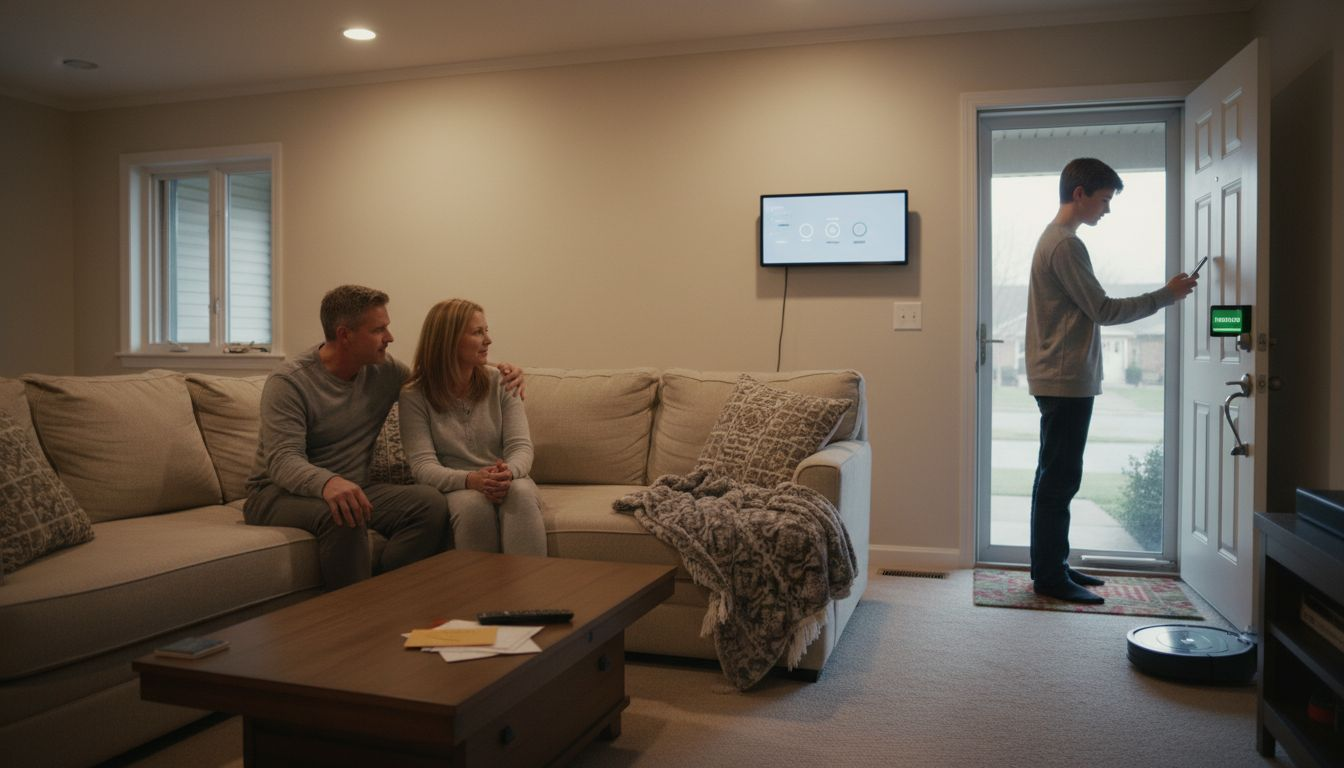
Home automation is no longer just about convenience gadgets; it plays a central role in how modern homes stay secure, efficient, and comfortable. By connecting devices, sensors, and systems into a single smart ecosystem, the role of automation in homes is to quietly handle routine tasks, respond to real-time changes, and help homeowners save energy without sacrificing comfort or safety.
Table of Contents
- What Home Automation Really Means Today
- Popular Smart Home Automation Categories
- How Automation Improves Security and Safety
- Energy Efficiency and Cost Savings Explained
- Common Pitfalls When Automating Your Home
Key Takeaways
| Point | Details |
|---|---|
| Smart Home Ecosystem | Home automation connects multiple devices for enhanced convenience, security, and efficiency through intelligent integration. |
| Diverse Categories | Major categories include Security Systems, Climate Control, Lighting Management, Entertainment, and Utility Control, each with distinct benefits. |
| Proactive Security | Automation improves security with real-time monitoring, intelligent threat detection, and advanced access control systems. |
| Energy Efficiency | Smart technologies can reduce energy costs by 15-25% through intelligent management of climate, lighting, and appliances. |
What Home Automation Really Means Today
Home automation has evolved from a futuristic concept to a practical reality transforming how we interact with our living spaces. Today, it represents a sophisticated network of interconnected devices and systems designed to enhance convenience, efficiency, and security through intelligent technological integration.
At its core, home automation means creating a smart ecosystem where various devices communicate and respond automatically to your needs. Digital technologies are transforming homes into interconnected service platforms that adapt and react intelligently. This isn’t just about controlling lights or thermostats remotely – it’s about creating responsive environments that anticipate and fulfill household requirements.
Key characteristics of modern home automation include:
- Seamless device integration across multiple platforms
- AI-powered decision making and predictive functionality
- Enhanced energy management and efficiency
- Advanced security monitoring and protection
- Personalized user experience through machine learning
The global smart home landscape is rapidly expanding, with projections indicating nearly 196 million smart homes worldwide in 2023. These systems now incorporate advanced technologies like edge computing, allowing faster local data processing, and sophisticated voice assistants capable of complex device interactions.

Pro tip: Start your home automation journey by selecting devices that communicate using standard protocols like Matter or Zigbee to ensure seamless compatibility and future upgradability.
Popular Smart Home Automation Categories
Home automation has diversified into several strategic categories that address different aspects of residential living, transforming how we interact with our living environments. Home automation encompasses diverse technological systems designed to enhance convenience, security, and overall quality of life.
The primary smart home automation categories include:
Security Systems
- Smart cameras and video surveillance
- Advanced door locks with remote access
- Motion detection and real-time alerts
- Integrated alarm systems
Climate Control
- Intelligent thermostats
- Automated window treatments
- Zoned heating and cooling management
- Energy consumption optimization
Lighting Management
- Programmable light schedules
- Color-changing smart bulbs
- Motion-activated illumination
- Remote lighting control
Entertainment Systems
- Voice-controlled media centers
- Multi-room audio synchronization
- Smart TV integrations
- Automated home theater configurations
Utility and Appliance Control
- Smart refrigerators
- Automated washing machines
- Energy monitoring systems
- Voice-activated kitchen appliances
These interconnected systems represent more than isolated technological solutions. The role of automation in homes to create a comprehensive ecosystem that adapts to homeowners’ specific needs and preferences. Modern smart home technologies leverage artificial intelligence and machine learning to provide increasingly personalized and responsive environments.
Here’s a comparison of common smart home automation categories and their primary benefits:
| Category | Main Purpose | Typical Benefits |
|---|---|---|
| Security Systems | Intrusion prevention | Increased safety, remote monitoring |
| Climate Control | Managing home environment | Comfort, lower energy costs |
| Lighting Management | Automated illumination | Convenience, reduced bills |
| Entertainment Systems | Media and device control | Seamless entertainment, customization |
| Utility & Appliance | Smart device management | Efficiency, time savings |
Pro tip: When selecting smart home devices, prioritize systems with universal compatibility protocols to ensure seamless integration and future expandability.
How Automation Improves Security and Safety
Home security automation represents a transformative approach to protecting residential spaces through intelligent technological integration. AI-driven safety protocols enable proactive security approaches that dramatically enhance threat detection and emergency response capabilities.
Modern automated security systems offer comprehensive protection through multiple advanced features:
Real-Time Monitoring
- 24/7 video surveillance
- Instant mobile alerts
- Remote camera access
- Continuous environmental scanning
Intelligent Threat Detection
- Machine learning-powered anomaly recognition
- Distinguishing between normal and suspicious activities
- Automated threat assessment
- Predictive risk analysis
Advanced Access Control
- Biometric door locks
- Digital keyless entry systems
- Temporary access permissions
- Detailed entry log tracking
Emergency Response Integration
- Automatic emergency service notifications
- Synchronized alarm systems
- Location-based emergency protocols
- Rapid communication channels
By leveraging artificial intelligence and interconnected technologies, home automation transforms traditional security models from reactive to proactive strategies. These intelligent systems continuously learn and adapt, providing increasingly sophisticated protection that goes beyond traditional security measures.

Pro tip: Invest in security systems with cross-platform compatibility and regular firmware updates to maintain optimal protection against evolving technological threats.
Energy Efficiency and Cost Savings Explained – Role of Automation in Homes
Smart home automation represents a revolutionary approach to managing household energy consumption and reducing utility expenses. Data-driven approaches to smart home technologies can dramatically lower energy costs by 15-25% through intelligent monitoring and adaptive control systems.
The key mechanisms for energy efficiency and cost savings include:
Intelligent Climate Control
- Smart thermostats with adaptive learning
- Zonal temperature management
- Automatic temperature adjustments
- Real-time energy consumption tracking
Lighting Optimization
- Motion-activated lighting systems
- Automatic dimming and brightness control
- Scheduled lighting programs
- Energy-efficient LED integration
Appliance Energy Management
- Smart power strips
- Standby power reduction
- Scheduled device power cycles
- Consumption monitoring for individual devices
Predictive Energy Analytics
- Machine learning consumption predictions
- Personalized energy-saving recommendations
- Detailed usage pattern analysis
- Cost projection and optimization strategies
Modern smart home systems leverage artificial neural networks and advanced algorithms to create dynamic, responsive environments that minimize energy waste. These technologies not only reduce utility bills but also contribute to broader environmental sustainability efforts by promoting more responsible energy consumption.
Below is a summary of key energy efficiency strategies enabled by smart home automation:
| Strategy | Core Technology | Typical Savings Impact |
|---|---|---|
| Intelligent Climate | Adaptive smart thermostat | Up to 10-20% reduction in heating/cooling bills |
| Lighting Optimization | Motion sensors & smart bulbs | 5-10% lower electricity use |
| Appliance Management | Timed power & usage monitoring | Less wasted power, consistent savings |
| Predictive Analytics | Data-driven usage insights | Improved long-term efficiency and budgeting |
Pro tip: Conduct a comprehensive energy audit of your home and prioritize smart devices that offer the most significant potential for immediate and long-term energy savings.
Common Pitfalls When Automating Your Home – Role of Automation in Homes
Home automation offers tremendous potential, but without careful planning, homeowners can encounter significant challenges that undermine their technology investments. Common mistakes in home automation can result in frustration, higher costs, and reduced system effectiveness.
Key pitfalls to avoid include:
Ecosystem Incompatibility
- Purchasing devices from multiple incompatible platforms
- Failing to check communication protocols
- Overlooking integration capabilities
- Creating fragmented, non-communicative systems
Network Security Vulnerabilities
- Weak password protection
- Unsecured network configurations
- Neglecting firmware updates
- Ignoring potential cybersecurity risks
Budget Miscalculations
- Underestimating total implementation costs
- Overlooking ongoing maintenance expenses
- Not considering future upgrade requirements
- Impulse purchasing without long-term planning
Technical Complexity Challenges
- Attempting advanced setups without proper knowledge
- Insufficient understanding of device configurations
- Lack of troubleshooting skills
- Inadequate technical support planning
Successful home automation requires strategic thinking, thorough research, and a comprehensive understanding of your specific technological needs and limitations. Homeowners must approach smart home integration as a holistic process, carefully evaluating each component’s compatibility and long-term value.
Pro tip: Create a detailed home automation roadmap that prioritizes interoperability, scalability, and comprehensive security before making any device purchases.
Secure Your Home and Save Money Today with Smart Solutions
Understanding the critical role of automation in home security and energy savings is the first step toward a smarter, safer, and more efficient living space. If you are concerned about integrating seamless security systems, optimizing energy consumption, or avoiding common pitfalls discussed in the article, Smart Home HQ is your trusted partner. Our expertly tested reviews and detailed guides focus on helping homeowners choose devices that enhance safety through real-time monitoring, AI-driven threat detection, and advanced access control, all while reducing utility bills with intelligent climate control and lighting management.

Explore our comprehensive resources starting with The Complete Smart Home Automation Master Guide Archives – Smart Home HQ to build a connected ecosystem tailored to your needs. For those seeking to upgrade appliances without compromising efficiency, visit Smart Appliances Archives – Smart Home HQ. Whether you are a beginner or an advanced user, visit Smart Home HQ now for trusted expert insights and actionable steps. Don’t wait to protect your home and maximize your savings with the right technology—start your smart home journey today.
Frequently Asked Questions – Role of Automation in Homes
What is the role of automation in improving home security?
Home automation enhances home security with features like real-time monitoring, intelligent threat detection, and advanced access control. These systems use machine learning and interconnected technologies to proactively protect your home.
How can smart home technology lead to energy savings?
Smart home technology can reduce energy costs by optimizing climate control, using motion-activated lighting, and managing appliances effectively. With intelligent monitoring and predictive analytics, homeowners can achieve savings of 15-25% on their utility bills.
What should I consider when setting up a home automation system?
When setting up a home automation system, consider device compatibility, network security, budget calculations, and technical requirements. Ensure devices can communicate with each other and plan for potential future upgrades as well.
How does intelligent climate control contribute to home energy efficiency?
Intelligent climate control uses smart thermostats and zonal temperature management to adapt to your home’s environment. By tracking real-time energy consumption and making automatic adjustments, it helps reduce heating and cooling costs significantly.
Recommended
- Examples of Home Automation for Easy Smart Living
- Examples of Smart Home Automation for Owners – Practical Ideas
- Smart Home Automation Tutorial: Step-by-Step Setup Guide
- What Is Smart Home Security: Protecting Your Home with Tech
- U.S. Department of Energy’s Energy Saver resources