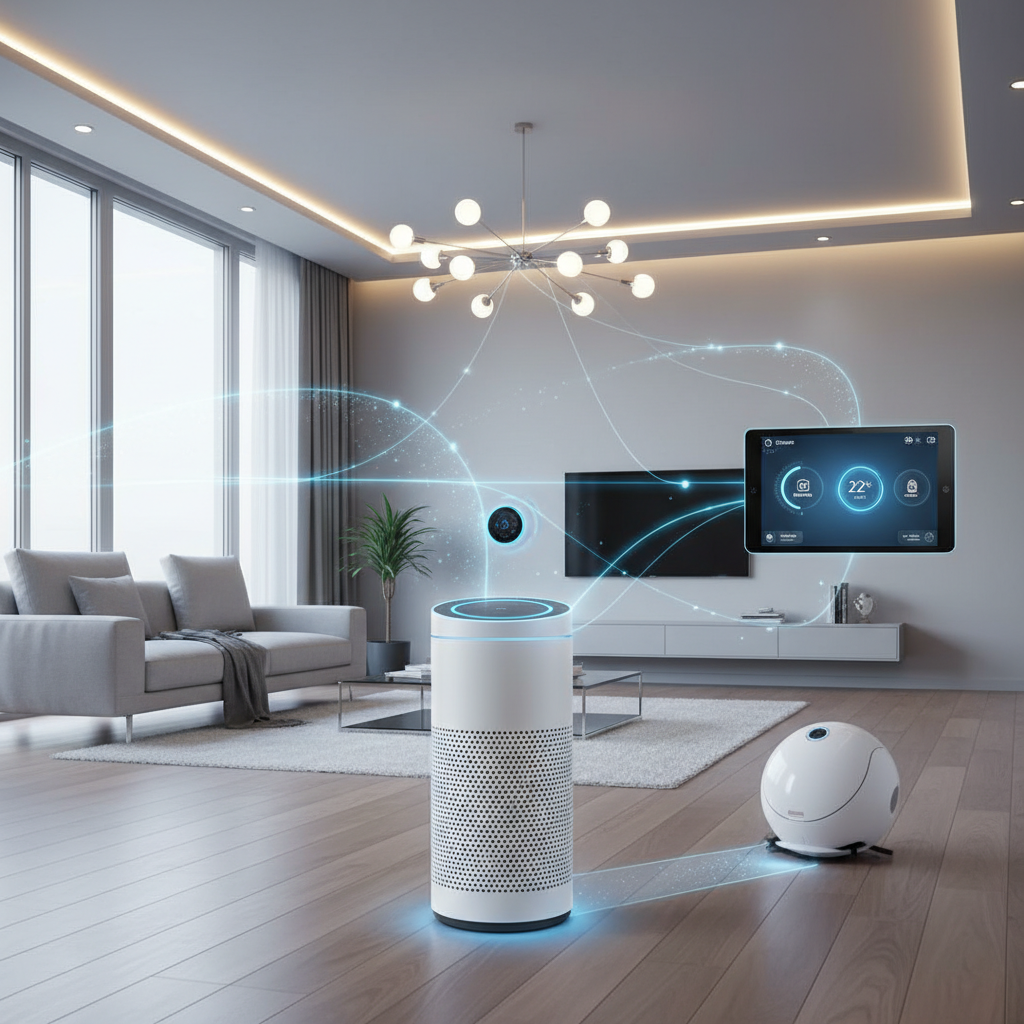
Types of Smart Living Compatibility Devices
Finding smart living compatibility devices that actually work together can feel like a puzzle. With almost half of American homeowners reporting frustratioTypes of Smart Home Compatibility Devices
n over connecting devices from different brands, compatibility standards have never mattered more. Whether you are adding your first smart thermostat or building a full ecosystem, understanding these standards will help you avoid headaches and make confident choices for a truly interconnected home.
Table of Contents
- Defining Smart Home Compatibility Standards
- Types of Smart Devices and Ecosystems
- How Interoperability Enables Integration
- Challenges in Connecting Different Devices
- Common Issues and How to Avoid Them
Key Takeaways Regarding Smart Home Compatibility
| Point | Details |
|---|---|
| Smart Home Compatibility Standards Are Essential | Establishing standardized communication protocols like IEEE Standard 2785-2023 enhances interoperability among devices from different manufacturers. |
| Device Categories and Their Benefits | Understanding device categories helps homeowners make informed choices that enhance security, energy efficiency, and convenience in their homes. |
| Interoperability Is Key for Smooth Integration | Ensuring devices are compatible with open standards like Matter allows for seamless integration and a more responsive smart home environment. |
| Proactive Measures Reduce Common Issues | Implementing strong security practices and investing in reliable network systems can mitigate many connectivity problems associated with smart home devices. |
Defining Smart Living Compatibility Standards
Smart living compatibility is more than just technological convenience—it represents a fundamental framework for seamless device communication and integration. Importantly, the IEEE Standard 2785-2023 provides a comprehensive architectural blueprint that establishes critical guidelines for intelligent device interoperability across different technological ecosystems.
At its core, smart living compatibility involves establishing standardized communication protocols that enable diverse devices to interact effectively. Unlike traditional standalone systems, modern smart home technology requires sophisticated communication standards that allow devices from different manufacturers to exchange information, receive commands, and operate cohesively. Furthermore, these standards address several key challenges, including communication frequency, data encryption, network management, and device authentication.
The landscape of smart living compatibility is complex, with multiple competing communication protocols like Zigbee, Z-Wave, and Matter competing for industry dominance. Research from TU Delft highlights the ongoing technological battle over smart home standards, emphasizing how governance and innovation challenges directly impact widespread technology adoption. However, these protocols each offer unique advantages, but the ultimate goal remains consistent: creating a unified, interoperable smart home environment that provides seamless user experiences.
Here’s a comparison of leading smart home communication protocols and their key characteristics:
| Protocol | Network Type | Security Approach | Notable Advantages |
|---|---|---|---|
| Zigbee | Mesh | AES-128 Encryption | Low power, scalable networks |
| Z-Wave | Mesh | S2 Security Framework | Interference-free, robust |
| Wi-Fi | Star | WPA2/WPA3 (router dependent) | High bandwidth, direct access |
| Bluetooth | Star/Mesh | AES Encryption | Easy setup, mobile support |
| Matter | IP-based/Mesh | Strong open industry standards | Vendor-agnostic, future-proof |
Pro Tip: When purchasing smart home devices, always check their compatibility protocols and verify they support multiple communication standards to ensure long-term flexibility and integration potential.
Types of Smart Home Compatibility Devices and Ecosystems
Smart home technologies represent a diverse ecosystem of interconnected devices designed to enhance convenience, efficiency, and quality of life. Smart home devices span multiple categories that transform traditional living spaces, ranging from household management tools to advanced security systems. These technologies are not just isolated gadgets, but integrated solutions that work together to create intelligent, responsive home environments.
The primary categories of smart home devices include several key domains. Home Security Systems encompass smart cameras, doorbell cameras, motion sensors, and automated locks that provide real-time monitoring and remote access. Climate Control Devices like smart thermostats and air conditioning units can learn household temperature preferences and optimize energy consumption. Kitchen Appliances now include refrigerators that track food inventory, ovens with precise temperature control, and smart coffee makers that can be programmed via smartphone apps.
Research indicates that smart home technologies are expanding to support diverse functions beyond convenience, including healthcare monitoring, energy management, and personalized lifestyle optimization. Entertainment systems have also evolved, with smart speakers, intelligent televisions, and integrated sound systems that can be controlled through voice commands or mobile applications. These ecosystems are increasingly designed to communicate with each other, creating seamless, interconnected experiences that adapt to residents’ unique needs and preferences.
Below is a summary of how main smart device categories impact home life:
| Device Category | Example Devices | Benefit to Homeowners |
|---|---|---|
| Security Systems | Cameras, smart locks | Enhanced safety, real-time alerts |
| Climate Control | Smart thermostats | Energy savings, comfort |
| Kitchen Appliances | Smart fridges, ovens | Automation, food tracking |
| Entertainment Systems | Smart TVs, speakers | Voice control, integration |
| Health Monitoring | Wearables, sensors | Wellness, proactive health alerts |

Pro Tip: When building your smart home ecosystem, prioritize devices that support multiple communication protocols to ensure maximum compatibility and future-proofing of your technology investments.
How Interoperability Enables Integration
Interoperability represents the critical backbone of modern smart home technology, enabling devices from different manufacturers to communicate seamlessly and work together. The Matter protocol has emerged as a groundbreaking standard designed to unify smart home device communication, addressing the long-standing challenge of technological fragmentation that has historically hindered smart home adoption.

At its core, interoperability solves complex communication challenges by establishing standardized protocols that allow diverse devices to exchange information, commands, and data. Smart home systems can now integrate components from multiple manufacturers, creating flexible ecosystems that adapt to individual user needs. This means a smart thermostat from one brand can now communicate effectively with security systems, lighting controls, and entertainment devices from entirely different manufacturers, breaking down the traditional barriers of proprietary technologies.
Research highlights how interoperability transforms smart home functionality by supporting comprehensive automation and management, enabling more sophisticated and intelligent home environments. The key advantages include enhanced energy efficiency, improved security protocols, and personalized user experiences that can dynamically respond to changing household requirements. By eliminating communication barriers, these integrated systems can learn from user behaviors, anticipate needs, and create more responsive living spaces that truly adapt to modern lifestyles.
Pro Tip: When selecting smart home devices, always verify their compatibility with open communication standards like Matter to ensure long-term system flexibility and seamless integration.
Challenges in Connecting Different Devices
Device connectivity in smart home environments presents a complex landscape of technological hurdles that can frustrate even the most tech-savvy homeowners. Researchers have identified multiple critical challenges in connecting different smart home devices, ranging from protocol incompatibility to security vulnerabilities that can compromise the entire home network ecosystem.
One of the primary obstacles is the diversity of communication protocols used by different manufacturers. Smart home devices often operate on distinct wireless standards like Zigbee, Z-Wave, Wi-Fi, and Bluetooth, which creates significant integration challenges. This technological fragmentation means that a smart thermostat from one brand might struggle to communicate with a security system from another, forcing consumers to navigate a complicated landscape of proprietary technologies and limited cross-compatibility.
Technical research highlights the frequent connection errors that plague IoT device integration, including network disruptions, configuration mismatches, and authentication failures. These technical challenges not only create user frustration but also introduce potential security risks. Some devices may have outdated firmware, weak encryption protocols, or inconsistent security standards, which can create vulnerabilities that compromise the entire smart home network’s integrity and performance.
Pro Tip: Before purchasing smart home devices, carefully research their compatibility standards and verify they support common communication protocols like Matter to minimize integration headaches.
Common Issues and How to Avoid Them
Smart home technology presents numerous potential pitfalls that can undermine the entire user experience, making proactive problem prevention crucial for successful device integration. Research highlights critical challenges in smart home device connectivity that directly impact consumer trust and technological adoption, emphasizing the need for strategic approach to system management.
The most frequent issues homeowners encounter include network instability, communication protocol conflicts, and security vulnerabilities. Connectivity problems often arise from inadequate WiFi coverage, which can cause devices to disconnect intermittently or fail to communicate with central control systems. Homeowners should consider investing in robust mesh network systems that provide comprehensive signal coverage and eliminate dead zones, ensuring consistent performance across all smart home devices.
Security represents another critical concern in smart home ecosystems. Many consumers unknowingly create vulnerabilities by failing to update device firmware, using weak passwords, or connecting devices to unsecured networks. Implementing robust cybersecurity practices is essential, including using strong, unique passwords for each device, enabling two-factor authentication whenever possible, and regularly updating firmware to patch potential security gaps. Additionally, creating a separate network for smart home devices can help isolate potential security risks and protect sensitive personal information from potential breaches.
Pro Tip: Create a dedicated WiFi network specifically for your smart home devices to enhance security and minimize potential network interference.
Unlock Seamless Smart Home Integration Today
Struggling with device compatibility and connectivity issues in your smart home? This article highlights the real challenges homeowners face when trying to unify different smart devices under one ecosystem. From conflicting communication protocols like Zigbee and Z-Wave to security vulnerabilities and unstable networks, smart home integration can quickly become overwhelming. If you want to take control and build a smart home that truly works together, mastering interoperability and choosing the right devices is essential.

Discover proven solutions and trusted advice at Smart Home HQ, where we provide detailed reviews and step-by-step guides that simplify the selection and installation of compatible devices. Whether you are upgrading your security systems, climate controls, or entertainment setup, our expert tips help you avoid common pitfalls and create a connected home that adapts to your lifestyle. Start exploring how to achieve flawless device integration now by visiting our Smart Home Technology Guide and join thousands of homeowners building smarter, safer, and more efficient homes today.
Frequently Asked Questions
What is smart home compatibility?
Smart home compatibility refers to the ability of different smart devices from various manufacturers to communicate and work together seamlessly. This involves standardized communication protocols that enable interoperability across different devices and ecosystems.
Why is device integration important in a smart home?
Device integration is important because it allows for a cohesive smart home experience, enabling devices to work together efficiently. This leads to enhanced automation, energy savings, improved security, and tailored user experiences that adapt to individual preferences.
What are the main communication protocols for smart home devices?
The main communication protocols include Zigbee, Z-Wave, Wi-Fi, Bluetooth, and Matter. Each protocol has unique characteristics such as network type, security measures, and advantages, impacting how devices communicate and integrate in a smart home environment.
What challenges might I face when connecting different smart home devices?
Challenges include protocol incompatibility, network disruptions, security vulnerabilities, and configuration mismatches. These issues can hinder seamless communication between devices and require careful consideration when selecting smart home technology.
Recommended
- How to Make a Smart Home: A Complete Guide – Smart Home HQ
- Smart Home Components Directory: Explore the Essentials – Smart Home HQ