Blog

  • Smart Home Automation Tutorial: Step-by-Step Setup Guide

    Smart Home Automation Tutorial: Step-by-Step Setup Guide

    Finding the right smart home setup can feel overwhelming when so many options fill the market. For the average American homeowner and their peers worldwide, energy costs and security concerns drive a growing interest in automation. Studies show almost half of urban homeowners now consider smart tech essential for peace of mind and lower bills. This guide helps you pinpoint the best beginner-friendly solutions to make your home safer and more efficient with confidence.

    Table of Contents

    Quick Summary

    Key Insight Explanation
    1. Assess Automation Needs First Identify your goals and lifestyle needs to choose effective smart home technologies.
    2. Select Compatible Devices and Platforms Ensure devices communicate well by choosing those with compatible protocols, like Wi-Fi or Zigbee.
    3. Optimize Device Placement Position devices strategically for optimal signal strength and performance within the home.
    4. Use a Central Hub for Integration Integrate all devices through a central hub or app for streamlined automation and management.
    5. Continuously Test and Optimize Regularly verify device performance and adjust automation settings based on real-world usage.

    Step 1: Assess your home’s automation needs

    Assessing your smart home automation requirements is the critical first phase of creating a connected living space. This process helps you understand which technologies will genuinely improve your daily life and provide meaningful benefits.

    Start by walking through each room and considering your primary goals. Are you looking to enhance security, reduce energy consumption, improve convenience, or create a more comfortable living environment? Smart home components can transform your living space by addressing specific needs like automatic lighting, temperature control, security monitoring, or entertainment system integration.

    Consider your lifestyle and daily routines. Do you work long hours and want automated systems that manage energy efficiency? Are you interested in voice-controlled devices that simplify household tasks? Do you have family members with mobility challenges who could benefit from smart home technologies? Each household has unique requirements, so a personalized approach matters most.

    The table below summarizes common automation goals and suggested device types:

    Goal Recommended Device Type Typical Area in Home
    Security Smart cameras, sensors Doors, entryways
    Energy efficiency Smart thermostats, plugs Living areas, bedrooms
    Convenience Voice assistants, switches Kitchen, living room
    Comfort Smart lighting, blinds Bedrooms, lounge spaces

    Infographic matching smart home goals and devices

    Pro tip: Create a spreadsheet listing each room, desired automation goals, and potential smart home solutions to visualize your comprehensive strategy.

    Step 2: Select compatible smart devices and platforms

    Choosing the right smart home devices and platforms is crucial for creating a seamless and efficient automated home environment. Your goal is to select technologies that communicate effectively and integrate smoothly with each other.

    Start by understanding the core communication protocols that enable device connectivity. Smart home devices typically use networks like Wi-Fi, Zigbee, and Z-Wave to communicate, so compatibility becomes your primary consideration. Consider a central smart home hub that can act as a bridge between different device types and communication standards. Popular platforms like Amazon Alexa, Google Assistant, and Apple HomeKit offer extensive device ecosystems that can simplify your integration process.

    Here is a quick reference comparing popular smart home communication protocols:

    Protocol Range Primary Use Cases
    Wi-Fi Up to 150 feet indoor Cameras, streaming devices, hubs
    Zigbee 30-60 feet indoor Lighting, sensors, small devices
    Z-Wave 100 feet indoor Security, locks, alarms
    Bluetooth 30 feet indoor Door locks, presence sensors

    When selecting devices, prioritize those that support multiple communication protocols and offer broad platform compatibility. Look for devices with clear integration specifications and check their compatibility with your preferred smart home assistant. Verify that the devices you choose can work together seamlessly and provide the specific automation features you want for each area of your home.

    Pro tip: Create a compatibility matrix documenting each device’s communication protocol, supported platforms, and specific integration capabilities before making any purchases.

    Step 3: Install devices and connect to your network

    In this crucial stage, you will physically install your smart home devices and establish their network connections to create a unified automation system. This process transforms your existing home infrastructure into an intelligent interconnected environment.

    Configuring wireless communication protocols requires strategic sensor placement and precise network integration. Begin by carefully positioning each device in its optimal location. Smart home sensors and actuators need strategic placement near power outlets and within reliable wireless signal range. Download the corresponding mobile app for each device and follow the manufacturer’s specific setup instructions. Most devices will require you to create an account, connect to your home Wi-Fi network, and complete a registration process through their dedicated smartphone application.

    Person installing smart home sensor

    Ensure each device is powered correctly and within communication range of your central smart home hub or primary network router. Check signal strength and test device responsiveness before finalizing your installation. Verify that all devices can communicate seamlessly and respond to commands from your chosen smart home platform or voice assistant.

    Pro tip: Create a physical map of your home marking exact device locations and network connection points to troubleshoot potential signal interference or connectivity issues.

    Step 4: Integrate automation using a central hub or app

    Creating a cohesive smart home ecosystem requires thoughtful integration of your devices through a central control platform. This step transforms individual smart devices into a unified, responsive home automation system.

    Smart home automation integration uses a centralized hub or app to send commands across different network protocols, enabling seamless communication between your devices. Choose a hub or app that supports multiple device types and communication standards. Popular platforms like Home Assistant offer comprehensive integration capabilities that allow you to create complex automation rules and schedules. Look for platforms that support voice control through Amazon Alexa or Google Assistant, providing hands-free management of your smart home environment.

    Take time to explore your chosen platform’s automation capabilities. Set up routines that connect multiple devices and create intelligent responses to specific triggers. For example, you might configure a morning routine that gradually raises smart lighting, adjusts your thermostat, and starts your coffee maker simultaneously. Test each automation carefully to ensure reliable performance and make incremental adjustments as you become more comfortable with the system.

    Pro tip: Begin with simple automation sequences and gradually build complexity to avoid overwhelming your system and ensure smooth integration.

    Step 5: Test and optimize your smart home system

    The final stage of your smart home automation journey involves carefully testing and fine tuning your newly installed system to ensure seamless performance and reliability. This critical step transforms your initial setup into a truly responsive and intelligent home environment.

    Testing a smart home system requires systematic verification of communication stability and automation rule execution. Start by methodically checking each device and automation routine. Trigger your preset scenarios manually and observe how devices interact. Verify voice commands work consistently, check response times, and confirm that complex multi device automations perform exactly as you intended. Pay close attention to potential communication delays or unexpected behaviors that might disrupt your desired smart home experience.

    Optimization is an ongoing process that involves continuous refinement. Update firmware across all devices regularly, adjust device placement to improve network signal strength, and refine automation rules based on your actual usage patterns. Consider creating backup configurations and documenting your setup to make future troubleshooting easier. Listen to feedback from family members and be prepared to make incremental adjustments that enhance the system’s overall usability and effectiveness.

    Pro tip: Create a digital log tracking device performance, firmware versions, and automation rule changes to maintain a comprehensive record of your smart home system’s evolution.

    Unlock Your Smart Home Potential with Expert Guidance

    Setting up a smart home can feel overwhelming when you face challenges like selecting compatible devices, integrating diverse platforms, and optimizing automation for your unique lifestyle. This tutorial highlights key pain points such as choosing communication protocols like Zigbee or Z-Wave, strategically installing devices, and ensuring seamless network connectivity. If you want to avoid costly mistakes and unlock the full benefits of convenience, security, and energy savings, professional insights can make all the difference.

    Discover how Smart Home HQ can guide you through each crucial step with unbiased reviews, real-world testing, and easy-to-follow setup instructions tailored to beginners and tech enthusiasts alike.

    https://smarthomehq.house

    Take control of your connected home journey right now. Explore our comprehensive resources and make confident choices with expert tips on compatible devices, integration strategies, and troubleshooting solutions at Smart Home HQ. Start transforming your living space into the smart home you deserve today.

    Frequently Asked Questions

    How do I assess my home’s automation needs?

    Start by walking through each room and identifying your primary goals, like enhancing security or improving energy efficiency. Create a list of desired functionalities for each space to visualize your automation strategy.

    What smart home devices should I choose for my setup?

    Select devices that are compatible with different communication protocols like Wi-Fi, Zigbee, or Z-Wave. Prioritize those that communicate well with your central hub and meet your specific automation goals, such as smart lights or security cameras.

    How do I install and connect my smart home devices?

    Physically install your devices in optimal locations, ensuring they are within range of your central hub. Follow the manufacturer’s setup instructions to connect each device to your home Wi-Fi and register it using the corresponding app.

    How can I integrate my smart home devices into one system?

    Use a central hub or app that supports multiple device types to manage your smart home automation. Set up automation routines by linking devices together, like configuring a schedule that turns on lights and adjusts the thermostat simultaneously.

    What steps should I follow to test my smart home system?

    Systematically check each device and automation routine to verify functionality. Manually trigger scenarios and observe interactions to ensure everything works as intended, adjusting settings to optimize performance if necessary.

    How do I optimize my smart home system over time?

    Maintain regular updates for each device’s firmware and refine your automation rules based on actual usage. Keep track of device performance and configurations in a digital log to facilitate future troubleshooting and improvements.

    • How to Make a Smart Home: A Complete Guide – Smart Home HQ
  • Matter

    Matter

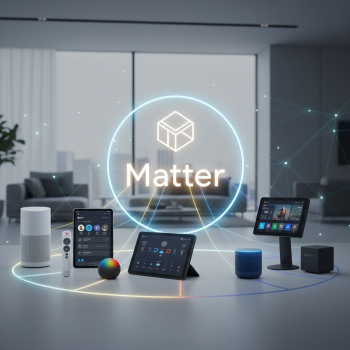
    The Matter Smart Home Protocol: Unifying Alexa, Apple, and Google in Your Smart Home 🏠

    📖 Introduction

    Welcome to Smart Home HQ, where we simplify the complex world of connected living. Today, we’re diving into Matter—the revolutionary smart home protocol poised to end compatibility wars between major ecosystems like Amazon Alexa, Apple Home, and Google Home. If you’ve ever struggled with smart devices that won’t talk to each other, this guide explains how Matter changes everything, its impact on smart device management, and what it means for your home automation future.


    🔍 What is Matter? Understanding the Universal Protocol

    Definition & Background

    Matter (formerly Project CHIP—Connected Home over IP) is an open-source, royalty-free connectivity standard developed by the Connectivity Standards Alliance (CSA), with backing from industry giants including Amazon, Apple, Google, Samsung, and hundreds of other companies. Launched in late 2022, Matter aims to create interoperability across smart home devices, allowing them to communicate seamlessly regardless of brand or ecosystem.

    How It Works

    • Unified Language: Matter uses IP-based communication (Wi-Fi, Thread, and Ethernet) as its foundation, creating a common “language” for devices.
    • Local Control: Unlike many cloud-dependent systems, Matter prioritizes local network control, reducing latency and increasing reliability even without internet.
    • Simplified Setup: Devices feature a QR code or numeric code for easy, secure onboarding across supported platforms.

    🤝 Matter’s Relationship with Major Ecosystems

    Amazon Alexa

    • Integration: Alexa supports Matter over Wi-Fi and Thread via compatible Echo devices (4th gen, Echo Show, etc.).
    • Device Management: Manage Matter devices directly through the Alexa app; voice control works seamlessly.
    • Current Support: Lights, plugs, locks, thermostats, and sensors.

    Apple Home (HomeKit)

    • Integration: Apple was an early Matter advocate; support is built into iOS 16+ and HomePod.
    • Device Management: The Home app automatically recognizes Matter devices; setup uses Apple’s secure home architecture.
    • Current Support: Extensive accessory support with strong privacy emphasis.

    Google Home

    • Integration: Google supports Matter via Google Nest devices and Android.
    • Device Management: Control through Google Home app; voice commands via Google Assistant.
    • Current Support: Core device types with ongoing expansion.

    🛠 Impact on Smart Device Management

    Centralized Control

    • Single App Management: Users can potentially manage all Matter devices through one preferred app (e.g., Apple Home, even for Google-made devices).
    • Unified Networks: Matter creates a cohesive network where devices communicate locally, reducing cloud dependency.

    Enhanced Security

    • Built-In Standards: Matter requires encryption and secure authentication for all devices, raising baseline security across brands.
    • Regular Updates: Certified devices receive standardized security updates.

    Simplified User Experience

    • Easy Setup: QR code scanning replaces complex pairing processes.
    • Cross-Platform Flexibility: Choose your ecosystem without being locked in; switch controllers without replacing devices.

    ⚖️ Pros and Cons of Each Ecosystem with Matter

    Amazon Alexa

    ✅ Pros:

    • 🗣️ Extensive Voice Control: Largest skill library and voice assistant capabilities
    • 🛒 Ecosystem Integration: Deep ties with Amazon shopping, Prime, and Ring
    • 💰 Affordable Hardware: Broad range of budget-friendly Echo devices
    • 🌐 Wide Compatibility: Historically supports most third-party devices

    ❌ Cons:

    • ☁️ Cloud Dependency: Many functions require internet connectivity
    • 🔒 Privacy Concerns: Amazon’s data collection practices raise questions for some users
    • 📱 App Experience: Alexa app can feel cluttered compared to competitors

    Apple Home (HomeKit)

    ✅ Pros:

    • 🔐 Privacy-First Approach: End-to-end encryption and on-device processing
    • 🎨 User Experience: Clean, intuitive Home app interface
    • 🍎 Ecosystem Integration: Seamless operation with iPhone, iPad, Apple Watch, and Mac
    • 🏠 Home Architecture: Robust local control with HomeKit Secure Video

    ❌ Cons:

    • 💸 Higher Cost: Apple-compatible devices often carry premium pricing
    • 📱 Platform Limitation: Best experience requires Apple devices
    • 🔌 Limited Hardware: Historically fewer compatible devices than competitors

    Google Home

    ✅ Pros:

    • 🔍 Powerful Assistant: Superior natural language processing and search integration
    • 📱 Android Integration: Deep ties with Android ecosystem and services
    • 🎵 Media Excellence: Superior music and video streaming capabilities
    • 🤖 AI Features: Advanced routines and automation suggestions

    ❌ Cons:

    • 🔄 Product Discontinuation: History of abandoning products and services
    • ☁️ Cloud-Centric: Heavy reliance on Google’s servers
    • 📊 Data Collection: Extensive data gathering for advertising purposes

    🚀 Future Outlook & Recommendations

    The Matter Advantage

    Matter’s greatest strength is ending ecosystem lock-in. Users can now:

    • Mix and match devices from different brands
    • Choose their preferred voice assistant
    • Switch ecosystems without replacing hardware
    • Enjoy more competitive pricing as compatibility ceases to be a premium feature

    Current Limitations

    • Phase 1 Focus: Initial release covers core device types (lighting, HVAC, security, etc.)
    • Feature Parity: Some advanced features may still require native apps
    • Adoption Timeline: Full ecosystem integration will take 2-3 years

    Smart Home HQ Recommendations

    1. For New Users: Start with Matter-certified devices for future-proofing
    2. For Existing Homes: Gradually replace non-compatible devices with Matter options
    3. Ecosystem Choice: Select based on your preferred voice assistant and existing devices
    4. Router Upgrade: Consider a Thread border router for optimal Matter performance

    Related Links

    Please Note: Links lead to pages that may include affiliate links. As an Amazon Associate I earn from qualifying purchases.

  • Why Integrate Smart Devices: Transforming Home Life

    Why Integrate Smart Devices: Transforming Home Life

    Today, most urban homeowners want their living spaces to be both efficient and personalized. However, finding the right smart technology can be confusing. Why integrate smart devices? With over 40 percent of American households now using at least one smart device, the trend is shaping how homes function worldwide. Consequently, this guide explains what smart device integration truly means. Moreover, it shows why choosing compatible, scalable solutions matters for anyone serious about optimizing their living environment.

    Table of Contents

    Key Takeaways

    Point Details
    Smart Device Integration Enhances Living Smart devices create a dynamic home environment, automating routines and improving efficiency through interconnected systems.
    Diverse Device Categories Offer Unique Benefits Smart devices range from automation and security to wellness, each providing distinct advantages for daily living and personalization.
    Security and Privacy Awareness is Essential Users must understand potential vulnerabilities in smart home technology and take proactive steps to secure their networks.
    Strategic Investment is Key Carefully selecting a few core devices for initial integration can maximize benefits and minimize costs, easing the transition into a smart home.

    Defining Smart Device Integration in Homes

    Smart device integration transforms homes from static living spaces into dynamic, responsive environments that adapt to residents’ needs. At its core, smart home technology represents a sophisticated network of interconnected digital devices. Importantly, These devices are designed to enhance comfort, efficiency, and control. Moreover, these interconnected ecosystems use AI, IoT, and communication technologies

    The concept of smart device integration involves connecting various home devices. Specifically, This includes thermostats, lighting systems, security cameras, and kitchen appliances. They can communicate, share data, and operate seamlessly. Furthermore, unlike standalone gadgets, integrated smart home systems create a unified network. In this network, devices collaborate intelligently. For instance, a smart thermostat might communicate with window sensors to optimize temperature control. Similarly, security cameras could trigger lighting systems when unexpected motion is detected.

    Understanding smart device integration requires recognizing its multiple complexity levels. Smart home technologies range from basic connected devices to fully automated homes, each offering different capabilities and integration depths. Basic integration might involve simple remote control of individual devices, while advanced integration creates comprehensive ecosystems where devices anticipate and respond to residents’ preferences automatically.

    Smart Home Pro Tip: Start your smart home journey by selecting devices with robust cross-platform compatibility to ensure smoother integration and future expandability.

    Types of Smart Devices and Core Functions

    Smart devices represent a sophisticated ecosystem of interconnected technologies designed to enhance daily living through intelligent functionality. Understanding why integrate smart devices into these categories helps homeowners make informed decisions.These devices encompass a wide range of IoT objects including sensors, smartphones, and tablets with advanced computing and communication capabilities, each offering unique features that transform traditional home interactions.

    The core categories of smart devices include home automation systems, entertainment technologies, security devices, and personal wellness gadgets. Specifically, Home automation devices like smart thermostats, lighting controllers, and voice-activated assistants enable residents to manage energy consumption and create personalized living environments. Entertainment technologies such as smart TVs, streaming devices, and multi-room audio systems provide immersive, interconnected media experiences. Security devices including smart locks, video doorbells, and monitoring cameras offer enhanced protection through real-time alerts and remote access.

    Infographic of smart device types and benefits

    Smart devices form the backbone of interconnected technological ecosystems, collecting contextual data to provide customized cognitive content across multiple domains. For this reason, their primary functions extend beyond simple automation, focusing on adaptive intelligence that learns from user behaviors, anticipates needs, and creates seamless interactions between humans and technology. Advanced smart devices can communicate across different platforms, sharing information and coordinating actions to create more efficient and responsive home environments.

    Here’s a summary of major smart device categories and their primary benefits:

    Device Category Typical Examples Main Benefit
    Home Automation Thermostats, lighting, hubs Energy savings, comfort
    Entertainment Smart TVs, speakers Immersive experiences
    Security Cameras, smart locks Enhanced safety, monitoring
    Wellness & Health Fitness trackers, smart scales Better health insights

    Smart Device Pro Tip: When selecting smart devices, prioritize those with robust cross-platform compatibility and standardized communication protocols to ensure smoother integration and future scalability.

    Benefits of Integrating Smart Devices to Streamlines Daily Routines

    Smart home integration transforms mundane daily tasks into seamless, efficient experiences by leveraging advanced technological capabilities. AI and smart device integration simplifies routines by automating complex tasks such as managing calendars, setting reminders, and personalizing user experiences, effectively acting as an intelligent personal assistant that anticipates and responds to individual needs.

    Man leaving home, smart devices in action

    The practical applications of smart home integration span multiple aspects of daily life. For example, In the morning, connected devices can automatically adjust thermostats, brew coffee, and provide personalized news briefings based on individual preferences. Throughout the day, smart systems can manage home security by monitoring entry points, adjusting lighting for energy efficiency, and sending real-time alerts to smartphones. Likewise, evening routines become equally streamlined, with devices coordinating entertainment systems, managing meal preparations, and creating optimal ambient environments for relaxation.

    Integrating technology into daily routines creates interactive environments that enhance efficiency and support diverse personal needs.

    Additionally, advanced smart home systems learn from user behaviors, gradually optimizing their responses and creating increasingly personalized experiences. Also, this adaptive intelligence means that over time, devices become more attuned to individual schedules, preferences, and lifestyle patterns, reducing manual intervention and cognitive load associated with routine management.

    Smart Routine Pro Tip: Start by integrating one or two smart devices that address your most time-consuming daily tasks, allowing you to gradually build a more comprehensive and personalized smart home ecosystem.

    Security, Privacy, and Safety Implications of Smart Home Technology

    Smart home technology introduces complex security challenges that demand proactive and informed user engagement. Thus, when considering why integrate smart devices, security must be a top priority. Smart home devices expose users to increased risks in network security, information privacy, and physical safety, with many consumers lacking deep understanding of potential vulnerabilities, creating a critical need for comprehensive risk management strategies.

    However, the primary security concerns encompass multiple dimensions of digital and physical protection. Network vulnerabilities can allow unauthorized access to personal data, potentially enabling remote device manipulation or comprehensive home surveillance. To illustrate, cybercriminals might exploit weak encryption, unpatched software, or inadequate authentication protocols to infiltrate smart home ecosystems. Physical safety risks include potential breaches that could compromise home security systems, allowing unauthorized entry or manipulating locks, cameras, and alarm mechanisms.

    Researchers advocate for implementing security and privacy labels similar to nutrition labels to inform consumers about device risks and empower users with transparent information. These comprehensive labels would help users understand potential security threats, data collection practices, and privacy implications before integrating devices into their home networks. Similarly, proactive measures such as regular firmware updates, using strong unique passwords, implementing two-factor authentication, and carefully reviewing device permissions can significantly mitigate potential security risks associated with smart home technologies.

    Security Pro Tip: Create a separate network for your smart home devices using a guest WiFi network to isolate potential security breaches and protect your primary personal and financial digital infrastructure.

    Costs, ROI, and Common Setup Pitfalls

    Smart home technology represents a significant investment that requires careful financial and strategic planning. Before deciding why integrate smart devices, homeowners should carefully evaluate costs and benefits. Smart home adoption involves balancing perceived benefits such as convenience, safety, and energy savings against barriers like high costs, steep learning curves, and privacy concerns. Consequently it is crucial for homeowners to understand the true value proposition of their technological investments.

    In fact, the return on investment (ROI) for smart home devices varies widely depending on specific technologies and individual household needs. Notably, Energy-efficient devices like smart thermostats and lighting systems can generate measurable savings through reduced utility costs, typically offsetting their initial purchase price within 18 to 36 months. Meanwhile, Security systems provide less tangible but equally important returns by potentially reducing insurance premiums and offering peace of mind through enhanced home protection. On the other hand, Entertainment and convenience-focused devices contribute to quality of life improvements that are more difficult to quantify but nonetheless valuable.

    Smart Home Adoption: Perceptions and Implementation Challenges

    Older adults and diverse demographic groups perceive smart homes differently, with varying expectations about value, usability, and long-term benefits. Common setup pitfalls include incompatible device ecosystems, complex installation processes, and insufficient user training. Homeowners frequently encounter challenges such as network connectivity issues, software update complications, and unexpected integration problems that can diminish the initial excitement of smart home adoption. Finally, successful implementation requires thorough research, careful device selection, and a strategic approach to building an interconnected home technology environment.

    To illustrate, compare key smart home integration benefits with common setup challenges:

    Integration Benefit Resulting Improvement Setup Challenge Potential Impact
    Routine automation Saves daily time Device incompatibility Frustrating user experience
    Adaptive intelligence Personalized services Complex installation Delays and extra costs
    Remote monitoring and alerts Increased home security Network connectivity issues Missed notifications
    Energy-efficient operation Lower utility expenses Software update problems Less cost savings

    Budget Pro Tip: Start with a few core smart devices that address your most pressing needs, and gradually expand your system to spread out costs and minimize potential integration challenges.

    Take Control of Your Smart Home Journey Today

    Integrating smart devices can feel overwhelming with challenges like device incompatibility, security concerns, and setup complexities. Why integrate smart devices? This article highlights how seamless smart home integration transforms routine tasks and enhances safety while also addressing common pitfalls such as network vulnerabilities and costly mistakes. Hence, if you want to avoid frustration and build a connected home ecosystem that truly works for you, expert guidance every step of the way is essential.

    https://smarthomehq.house

    Discover trusted advice, thorough reviews, and step-by-step guides at Smart Home HQ designed to simplify your smart home experience. Whether you are starting with smart thermostats, security cameras, or lighting systems, we help you navigate device selection, ensure cross-platform compatibility, and safeguard your home network. Finally, don’t let confusion or fear hold you back from enjoying the benefits of energy savings and personalized automation. Visit Smart Home HQ now and take the first step toward a smarter, safer, and more efficient home.

    Frequently Asked Questions

    What is smart device integration?

    Smart device integration refers to connecting various home devices, such as thermostats, lights, and security systems, into a unified network that allows them to communicate and operate seamlessly together.

    How can smart device integration simplify my daily routines?

    Smart device integration can automate complex tasks, such as adjusting temperature, managing security, and controlling entertainment systems, streamlining your daily routines and enhancing convenience.

    What are the potential security risks associated with smart home devices?

    The main security risks include unauthorized access to personal data, potential remote manipulation of devices, and vulnerabilities in network security that could compromise safety.

    Therefore, it’s crucial for users to implement strong security measures, such as regular updates and robust passwords.

    Why integrate smart devices to ensure compatibility when selecting smart devices?

    Finally, to ensure compatibility, prioritize devices that support robust cross-platform communication and standardized protocols, allowing for easier integration with existing systems and future expandability.

    • How to Make a Smart Home: A Complete Guide – Smart Home HQ

  • Why Build a Connected Home: Security, Savings, Comfort

    Why Build a Connected Home: Security, Savings, Comfort

    More than 68 million American households now own at least one smart device, reflecting a surge in connected living. For tech-savvy homeowners, upgrading to an integrated home network is about far more than adding gadgets. Today’s solutions promise seamless security and unmatched convenience. This guide clears up what a connected home truly means, exposes widespread myths, and helps you make practical decisions as you modernize your space.

    Table of Contents

    Key Takeaways

    Point Details
    Connected Home Concept A connected home is an integrated ecosystem, enhancing living experiences through smart device interconnectivity.
    Myth Busting Connected home solutions are now affordable and user-friendly, debunking the belief that they are only for tech enthusiasts.
    Core Features Key features of smart homes include enhanced security, efficiency in energy management, and precise control over home environments.
    Financial Considerations While initial costs can be high, smart home systems often lead to long-term savings through reduced utility bills and potential insurance discounts.

    Connected Home Defined and Common Myths

    Imagine a home that works for you. A connected home represents more than just a collection of smart devices – it’s an integrated ecosystem where technology seamlessly works together to enhance your living experience. Experts define a connected home as a sophisticated network enabling interconnection and interoperability across multiple devices, services, and applications spanning communications, entertainment, security, and home automation.

    Contrary to popular belief, a connected home isn’t simply about having the latest gadgets. It’s a carefully orchestrated system where devices communicate intelligently, providing real-time, contextual experiences for household inhabitants. The technology allows remote monitoring and control, transforming how we interact with our living spaces. These systems integrate networking, media, security, energy management, and even healthcare technologies into a unified platform.

    Several persistent myths often misrepresent connected home technology. Some people believe it’s prohibitively expensive or only for tech enthusiasts. In reality, connected home solutions have become increasingly affordable and user-friendly. Another common misconception is that these systems are complicated to set up and manage. Modern connected home platforms prioritize intuitive design, making installation and operation straightforward for average homeowners.

    The core purpose of a connected home goes beyond convenience – it’s about creating a responsive, efficient environment that adapts to your lifestyle. By integrating sensors, smart devices, and intelligent platforms, these systems can optimize energy consumption, enhance security, and provide unprecedented control over your home’s functionality.

    Pro tip: Start your connected home journey by selecting a single, versatile smart device that addresses an immediate need, like a smart thermostat or security camera, to understand the ecosystem without overwhelming yourself.

    Main Types of Smart Home Systems

    Smart home technologies have evolved into a diverse ecosystem of interconnected systems, each designed to enhance different aspects of home living. Researchers have identified multiple categories of smart home technologies that span a comprehensive range of functionalities, from basic connectivity to advanced automation.

    The primary types of smart home systems can be categorized into several key areas:

    • Security Systems: Encompassing smart cameras, doorbell cameras, motion sensors, and integrated alarm networks
    • Energy Management Systems: Smart thermostats, power monitoring devices, and automated lighting controls
    • Entertainment Systems: Networked audio/video devices, smart speakers, and integrated media platforms
    • Home Automation Systems: Platforms that control multiple device interactions, including voice-activated assistants and centralized control interfaces
    • Health and Wellness Systems: Remote monitoring devices, air quality sensors, and integrated health tracking technologies

    These systems are distinguished not just by their individual capabilities, but by their communication protocols. The European Commission’s research highlights the complexity of networking technologies used to connect devices, including Wi-Fi, Zigbee, Z-Wave, and proprietary communication standards. This technological diversity allows homeowners to create customized ecosystems that suit their specific needs and preferences.

    Modern smart home systems are not one-size-fits-all solutions but rather flexible platforms that can be tailored to individual lifestyles. The sophistication ranges from simple connected devices to fully integrated, intelligent home environments that can learn and adapt to residents’ behaviors and preferences.

    Here’s a summary comparing the main smart home system types and their core benefits:

    System Type Main Function Typical Benefit
    Security Home safety Enhanced protection
    Energy Management Utility monitoring Lower utility costs
    Entertainment Media integration Improved user experience
    Home Automation Device coordination Increased convenience
    Health & Wellness Health tracking Personalized support

    Pro tip: When exploring smart home systems, start by identifying your primary needs and choose compatible devices that can potentially integrate with a broader ecosystem in the future.

    Benefits of a Smart Home Include These  Key Features: Security, Efficiency, Control

    Smart home technologies have revolutionized home management by offering three critical features that transform how we interact with our living spaces: security, efficiency, and control. Advanced home security technologies now integrate sophisticated surveillance and monitoring systems that provide homeowners with unprecedented protection and peace of mind.

    The security dimension of smart homes goes far beyond traditional alarm systems. Modern solutions include:

    • Smart cameras with real-time video streaming
    • Motion sensors that distinguish between routine movements and potential threats
    • Remote locking mechanisms for doors and windows
    • Instant mobile alerts for suspicious activities
    • Integration with local emergency services

    Efficiency represents another cornerstone of smart home technology. Responsible technology adoption emphasizes energy management and user-friendly interfaces that help homeowners reduce waste and optimize resource consumption. Smart thermostats can learn household patterns, automatically adjusting temperature to minimize energy expenditure. Automated lighting systems detect occupancy and natural light levels, ensuring electricity is used only when necessary.

    Woman adjusting smart thermostat in kitchen

    Control is the final critical feature, empowering homeowners to manage their environment with unprecedented precision. Through centralized smartphone applications or voice-activated assistants, residents can monitor and adjust multiple home systems simultaneously. This level of control extends beyond convenience, offering genuine flexibility in managing home environments, security protocols, and energy consumption.

    Pro tip: When selecting smart home technologies, prioritize systems with robust integration capabilities that allow seamless communication between different devices and platforms.

    Real-World Applications for Homeowners

    Smart home technologies offer transformative solutions that address real-world challenges faced by homeowners, providing practical benefits across multiple aspects of daily living. These integrated systems go beyond mere technological novelty, delivering tangible improvements in safety, comfort, and efficiency.

    In the realm of home security, smart technologies provide comprehensive protection strategies:

    • Advanced Surveillance: Real-time camera monitoring with instant mobile alerts
    • Remote Access Control: Smart locks and entry systems manageable from smartphones
    • Comprehensive Monitoring: Integrated sensors detecting unusual activities or potential security breaches

    Energy management represents another critical application. Smart home systems enable precise control over resource consumption through intelligent monitoring. Smart thermostats learn household temperature preferences, automatically adjusting settings to minimize energy waste. Automated lighting systems detect room occupancy, ensuring electricity is used only when necessary, potentially reducing monthly utility expenses by 20-30%.

    Interconnected home ecosystems now adapt to individual lifestyle needs, offering personalized experiences that extend beyond traditional home automation. For individuals with mobility challenges, voice-activated systems provide enhanced independence, allowing control of lighting, temperature, and entertainment systems without physical interaction. Parents can remotely monitor children’s activities, while elderly residents benefit from fall detection and emergency response integrations.

    Infographic showing connected home key benefits

    Pro tip: Begin your smart home journey by selecting one multipurpose device that addresses your most pressing household need, ensuring compatibility with future expansion.

    Upfront Costs, Long-Term Savings, Risks

    Smart home technology investments require careful financial consideration, balancing initial expenses against potential long-term benefits. Homeowners must navigate a complex landscape of technological opportunities and economic challenges when contemplating smart home integration.

    Upfront costs for smart home systems can be substantial, typically ranging from $500 to $3,000 depending on system complexity:

    • Basic Systems: $500-$1,000 (2-3 connected devices)
    • Intermediate Systems: $1,000-$2,000 (comprehensive security and automation)
    • Advanced Integrated Systems: $2,000-$3,000 (whole-home solutions)

    Technological adoption involves evaluating financial barriers and potential risk mitigation strategies, with long-term savings potential offsetting initial investments. Energy management systems can reduce utility expenses by 15-30% annually, while automated security systems may lower insurance premiums by 5-20%. Potential risks include data privacy vulnerabilities, technological obsolescence, and potential system integration challenges.

    Key financial considerations extend beyond direct monetary investments. Homeowners must factor in ongoing maintenance costs, potential system upgrades, and the technological ecosystem’s compatibility. Privacy risks require robust security measures, potentially necessitating additional investments in cybersecurity protection and regular system updates.

    The table below outlines common risks of smart home adoption, along with suggested mitigation actions:

    Risk Type Example Scenario Mitigation Strategy
    Privacy Data leaks via cloud storage Use strong encryption, regular audits
    Obsolescence Devices no longer supported Choose brands with update policies
    Integration Incompatibility between devices Select systems with open standards
    Financial Unplanned upgrade expenses Opt for modular, upgradeable setups

    Pro tip: Prioritize modular smart home systems that allow gradual expansion and provide clear upgrade paths to minimize future replacement costs.

    Troubleshooting and Avoiding Common Pitfalls

    Smart home technology troubleshooting requires a systematic and strategic approach to address potential connectivity, compatibility, and performance challenges. Understanding common issues and their root causes can help homeowners minimize disruptions and maintain a smoothly functioning smart home ecosystem.

    Common smart home system pitfalls include:

    • Connectivity Problems: Weak Wi-Fi signals, network interference
    • Compatibility Issues: Devices from different manufacturers not communicating effectively
    • Software Conflicts: Outdated firmware or application versions
    • Power Management Challenges: Inconsistent power supply or battery-related failures
    • Configuration Errors: Incorrect initial setup or network configuration

    Troubleshooting strategies involve methodical diagnostic steps. Start by verifying basic network infrastructure, ensuring robust and consistent internet connectivity. Check device firmware versions and update them regularly to address potential software conflicts. When compatibility issues emerge, prioritize devices with standardized communication protocols like Zigbee or Matter, which enhance inter-device communication and reduce integration challenges.

    Preventative measures are crucial in maintaining a reliable smart home system. This includes selecting devices from manufacturers with strong ecosystem support, maintaining a centralized management platform, and regularly performing system audits. Homeowners should create a comprehensive device inventory, track firmware versions, and establish a routine maintenance schedule to proactively identify and resolve potential technical issues before they escalate.

    Pro tip: Create a dedicated network segment for smart home devices to isolate potential security risks and improve overall system performance.

    Unlock the Full Potential of Your Connected Home Today

    Start building your connected home today and experience exciting benefits like enhanced security, meaningful savings, and unmatched comfort. The challenge lies in selecting the right devices and creating a seamless, integrated ecosystem that truly adapts to your lifestyle. If you have ever felt overwhelmed by complicated setups, confusing compatibility issues, or were unsure how to optimize your smart home system for maximum efficiency and control this is the solution you need.

    Smart Home HQ guides you through these exact challenges with trusted reviews, detailed comparisons, and real-world usage insights. Learn how to prioritize security features, energy management, and home automation with easy-to-follow guides designed to simplify your journey. Whether you are starting with a smart thermostat or expanding to a fully integrated system, our expert tips help you avoid common pitfalls and maximize long-term savings.

    https://smarthomehq.house

    Take the next step now and transform your living space into a truly connected home. Explore our comprehensive resources at Smart Home HQ and discover how to build your smart home with confidence and clarity. Begin earning peace of mind and energy efficiency today by visiting Start Your Smart Home Journey and empower your home to work smarter for you.

    Frequently Asked Questions

    What are the main benefits of building a connected home?

    A connected home enhances security, improves energy efficiency, and increases overall comfort for residents. It enables better control over home automation and monitoring, providing peace of mind and convenience.

    How do smart home technologies improve security?

    Smart home technologies enhance security through features like real-time video surveillance, motion sensors, remote access control, and instant alerts for suspicious activities. These systems provide comprehensive monitoring options that traditional setups do not offer.

    Can smart home systems help save on energy costs?

    Yes, smart home systems, especially energy management solutions like smart thermostats and automated lighting controls, can help reduce utility costs by 15-30% annually by optimizing energy consumption based on usage patterns.

    What should I consider when starting my connected home journey?

    Begin by identifying your primary needs, such as security or energy management, and selecting a versatile smart device to address that need. Ensure compatibility with future devices to create an integrated ecosystem progressively.

    Related Links


  • A Day-in-the-Life Story

    A Day-in-the-Life Story

    No Keys, No Stress: How Smart Locks Upgrade Safety, Security, and Convenience 🔒✨

    The benefits of smart locks become clear in everyday moments like this: You’re pulling into the driveway, hands full of groceries, the dog is excited, and your phone buzzes—your sitter just left. Instead of juggling keys, you walk up and the door unlocks as you approach. A few minutes later, you get a notification: the door auto-locked behind you. That’s the everyday calm that smart locks bring—security that’s smarter, and convenience that feels effortless.


    The Benefits of Smart Locks: Safety, Security, and Convenience 💡

    • Safety 🛡️
      • No more spare keys hidden under mats
      • Personalized codes reduce the risk of unauthorized entry
      • Auto-locking reduces “Did I lock the door?” anxiety
    • Security 🔐
      • Real-time activity notifications keep you in the loop
      • Remote lock/unlock if someone forgets
      • Temporary and permanent access sharing reduces key duplication risks
    • Convenience 🚪
      • Hands-free auto-unlock as you approach
      • Control via phone or Apple Watch
      • Smooth guest management for family, sitters, house cleaners, and short-term rentals

    Spotlight: Yale Key-Free Smart Lock 🟡

    A modern deadbolt replacement that delivers keyless entry, robust security features, and smooth smart-home integration—ideal for U.S. and Canada households.

    • Access Options 🔑
      • Keypad entry with codes
      • Smartphone control via Yale Access App (iOS and Android)
      • Voice assistant integration (with compatible systems)
      • Apple Watch support
      • Auto-unlock for hands-free entry
    • Smart Security Features 🔒
      • Auto-Lock Function: Automatically locks when DoorSense detects door closure
      • Remote Management: Lock/unlock from anywhere
      • Access Sharing: Grant temporary or permanent access
      • Activity Notifications: Real-time alerts and status updates
    • Installation & Setup 🛠️
      • DIY-friendly: Just a screwdriver needed
      • Direct deadbolt replacement for standard U.S. doors
      • No locksmith or prior experience required
    • Connectivity 🌐
      • Works on 2.4 GHz Wi‑Fi
      • U.S. and Canada availability
      • Apple Watch + iOS/Android compatibility
    • Ideal For ✅
      • Homeowners who want key-free entry
      • Families sharing access without swapping keys
      • Rental property managers and hosts
      • Individuals with mobility challenges
      • Travelers and tech enthusiasts
    • Considerations ⚠️
      • Requires 2.4 GHz Wi‑Fi (not compatible with 5 GHz–only networks)
      • Limited to U.S. and Canada
      • Full feature set depends on smartphone access
      • Requires ongoing battery maintenance
    • Learn more and link it into your setup:

    How Smart Locks Elevate Everyday Life 🌟

    • Families with kids or caregivers 👨‍👩‍👧‍👦
      • Assign unique codes and revoke them anytime
      • Get alerts when someone comes and goes
    • Hosts and property managers 🏘️
      • Share time-limited codes for guests
      • Manage access remotely without rekeying
    • Busy professionals and frequent travelers ✈️
      • Check lock status from anywhere
      • Auto-lock keeps the home secure on tight schedules
    • Accessibility and mobility support ♿
      • Hands-free auto-unlock and Apple Watch entry reduce friction

    Quick Start: From Box to Door in Under an Hour ⏱️

    • Gather a screwdriver and your smartphone
    • Remove existing deadbolt and install the Yale Key-Free Smart Lock
    • Connect to 2.4 GHz Wi‑Fi
    • Set up the Yale Access App and create your first entry code
    • Enable Auto-Lock with DoorSense and test notifications

    Pro tip: Test auto-unlock in your driveway or hallway before relying on it daily, and keep a backup entry code handy.


    Privacy and Security Best Practices 🧠

    • Use strong, unique codes and rotate guest codes regularly
    • Protect your smartphone with a passcode/biometrics
    • Keep the app and firmware up to date
    • Place the lock within solid 2.4 GHz Wi‑Fi range for reliability

    At-a-Glance Benefits with Yale Key-Free 🧩

    • Peace of mind: Auto-lock + DoorSense reduces human error
    • True convenience: Auto-unlock, keypad, app, Apple Watch
    • Control anywhere: Remote management and activity notifications
    • Flexible access: Share and revoke codes in seconds
    • Easy setup: DIY-friendly with basic tools

    Final Verdict ✅

    If you’re upgrading for safety, security, and pure convenience, the Yale Key-Free Smart Lock is a standout choice. It’s easy to install, simple to share access with others, and smart enough to lock itself when DoorSense detects the door is closed. Keep in mind the 2.4 GHz Wi‑Fi requirement and U.S./Canada availability—but for most households, it’s a modern, stress-reducing upgrade. The benefits of smart locks go beyond convenience—they’re a proven investment in home security and peace of mind. For more on smart home security best practices, check out the National Institute of Standards and Technology (NIST) guidance on securing smart home devices.

  • Smart Living Compatibility – Why Device Integration Matters

    Smart Living Compatibility – Why Device Integration Matters

    Types of Smart Living Compatibility Devices

    Finding smart living compatibility devices that actually work together can feel like a puzzle. With almost half of American homeowners reporting frustratioTypes of Smart Home Compatibility Devices

    n over connecting devices from different brands, compatibility standards have never mattered more. Whether you are adding your first smart thermostat or building a full ecosystem, understanding these standards will help you avoid headaches and make confident choices for a truly interconnected home.

    Table of Contents

    Key Takeaways Regarding Smart Home Compatibility

    Point Details
    Smart Home Compatibility Standards Are Essential Establishing standardized communication protocols like IEEE Standard 2785-2023 enhances interoperability among devices from different manufacturers.
    Device Categories and Their Benefits Understanding device categories helps homeowners make informed choices that enhance security, energy efficiency, and convenience in their homes.
    Interoperability Is Key for Smooth Integration Ensuring devices are compatible with open standards like Matter allows for seamless integration and a more responsive smart home environment.
    Proactive Measures Reduce Common Issues Implementing strong security practices and investing in reliable network systems can mitigate many connectivity problems associated with smart home devices.

    Defining Smart  Living Compatibility Standards

    Smart  living compatibility is more than just technological convenience—it represents a fundamental framework for seamless device communication and integration. Importantly, the IEEE Standard 2785-2023 provides a comprehensive architectural blueprint that establishes critical guidelines for intelligent device interoperability across different technological ecosystems.

    At its core, smart living compatibility involves establishing standardized communication protocols that enable diverse devices to interact effectively. Unlike traditional standalone systems, modern smart home technology requires sophisticated communication standards that allow devices from different manufacturers to exchange information, receive commands, and operate cohesively. Furthermore, these standards address several key challenges, including communication frequency, data encryption, network management, and device authentication.

    The landscape of smart living compatibility is complex, with multiple competing communication protocols like Zigbee, Z-Wave, and Matter competing for industry dominance. Research from TU Delft highlights the ongoing technological battle over smart home standards, emphasizing how governance and innovation challenges directly impact widespread technology adoption. However, these protocols each offer unique advantages, but the ultimate goal remains consistent: creating a unified, interoperable smart home environment that provides seamless user experiences.

    Here’s a comparison of leading smart home communication protocols and their key characteristics:

    Protocol Network Type Security Approach Notable Advantages
    Zigbee Mesh AES-128 Encryption Low power, scalable networks
    Z-Wave Mesh S2 Security Framework Interference-free, robust
    Wi-Fi Star WPA2/WPA3 (router dependent) High bandwidth, direct access
    Bluetooth Star/Mesh AES Encryption Easy setup, mobile support
    Matter IP-based/Mesh Strong open industry standards Vendor-agnostic, future-proof

    Pro Tip: When purchasing smart home devices, always check their compatibility protocols and verify they support multiple communication standards to ensure long-term flexibility and integration potential.

    Types of Smart Home Compatibility Devices and Ecosystems

    Smart home technologies represent a diverse ecosystem of interconnected devices designed to enhance convenience, efficiency, and quality of life. Smart home devices span multiple categories that transform traditional living spaces, ranging from household management tools to advanced security systems. These technologies are not just isolated gadgets, but integrated solutions that work together to create intelligent, responsive home environments.

    The primary categories of smart home devices include several key domains. Home Security Systems encompass smart cameras, doorbell cameras, motion sensors, and automated locks that provide real-time monitoring and remote access. Climate Control Devices like smart thermostats and air conditioning units can learn household temperature preferences and optimize energy consumption. Kitchen Appliances now include refrigerators that track food inventory, ovens with precise temperature control, and smart coffee makers that can be programmed via smartphone apps.

    Research indicates that smart home technologies are expanding to support diverse functions beyond convenience, including healthcare monitoring, energy management, and personalized lifestyle optimization. Entertainment systems have also evolved, with smart speakers, intelligent televisions, and integrated sound systems that can be controlled through voice commands or mobile applications. These ecosystems are increasingly designed to communicate with each other, creating seamless, interconnected experiences that adapt to residents’ unique needs and preferences.

    Below is a summary of how main smart device categories impact home life:

    Device Category Example Devices Benefit to Homeowners
    Security Systems Cameras, smart locks Enhanced safety, real-time alerts
    Climate Control Smart thermostats Energy savings, comfort
    Kitchen Appliances Smart fridges, ovens Automation, food tracking
    Entertainment Systems Smart TVs, speakers Voice control, integration
    Health Monitoring Wearables, sensors Wellness, proactive health alerts

    Infographic of smart home device integration

    Pro Tip: When building your smart home ecosystem, prioritize devices that support multiple communication protocols to ensure maximum compatibility and future-proofing of your technology investments.

    How Interoperability Enables Integration

    Interoperability represents the critical backbone of modern smart home technology, enabling devices from different manufacturers to communicate seamlessly and work together. The Matter protocol has emerged as a groundbreaking standard designed to unify smart home device communication, addressing the long-standing challenge of technological fragmentation that has historically hindered smart home adoption.

    Technician troubleshooting smart home device connections

    At its core, interoperability solves complex communication challenges by establishing standardized protocols that allow diverse devices to exchange information, commands, and data. Smart home systems can now integrate components from multiple manufacturers, creating flexible ecosystems that adapt to individual user needs. This means a smart thermostat from one brand can now communicate effectively with security systems, lighting controls, and entertainment devices from entirely different manufacturers, breaking down the traditional barriers of proprietary technologies.

    Research highlights how interoperability transforms smart home functionality by supporting comprehensive automation and management, enabling more sophisticated and intelligent home environments. The key advantages include enhanced energy efficiency, improved security protocols, and personalized user experiences that can dynamically respond to changing household requirements. By eliminating communication barriers, these integrated systems can learn from user behaviors, anticipate needs, and create more responsive living spaces that truly adapt to modern lifestyles.

    Pro Tip: When selecting smart home devices, always verify their compatibility with open communication standards like Matter to ensure long-term system flexibility and seamless integration.

    Challenges in Connecting Different Devices

    Device connectivity in smart home environments presents a complex landscape of technological hurdles that can frustrate even the most tech-savvy homeowners. Researchers have identified multiple critical challenges in connecting different smart home devices, ranging from protocol incompatibility to security vulnerabilities that can compromise the entire home network ecosystem.

    One of the primary obstacles is the diversity of communication protocols used by different manufacturers. Smart home devices often operate on distinct wireless standards like Zigbee, Z-Wave, Wi-Fi, and Bluetooth, which creates significant integration challenges. This technological fragmentation means that a smart thermostat from one brand might struggle to communicate with a security system from another, forcing consumers to navigate a complicated landscape of proprietary technologies and limited cross-compatibility.

    Technical research highlights the frequent connection errors that plague IoT device integration, including network disruptions, configuration mismatches, and authentication failures. These technical challenges not only create user frustration but also introduce potential security risks. Some devices may have outdated firmware, weak encryption protocols, or inconsistent security standards, which can create vulnerabilities that compromise the entire smart home network’s integrity and performance.

    Pro Tip: Before purchasing smart home devices, carefully research their compatibility standards and verify they support common communication protocols like Matter to minimize integration headaches.

    Common Issues and How to Avoid Them

    Smart home technology presents numerous potential pitfalls that can undermine the entire user experience, making proactive problem prevention crucial for successful device integration. Research highlights critical challenges in smart home device connectivity that directly impact consumer trust and technological adoption, emphasizing the need for strategic approach to system management.

    The most frequent issues homeowners encounter include network instability, communication protocol conflicts, and security vulnerabilities. Connectivity problems often arise from inadequate WiFi coverage, which can cause devices to disconnect intermittently or fail to communicate with central control systems. Homeowners should consider investing in robust mesh network systems that provide comprehensive signal coverage and eliminate dead zones, ensuring consistent performance across all smart home devices.

    Security represents another critical concern in smart home ecosystems. Many consumers unknowingly create vulnerabilities by failing to update device firmware, using weak passwords, or connecting devices to unsecured networks. Implementing robust cybersecurity practices is essential, including using strong, unique passwords for each device, enabling two-factor authentication whenever possible, and regularly updating firmware to patch potential security gaps. Additionally, creating a separate network for smart home devices can help isolate potential security risks and protect sensitive personal information from potential breaches.

    Pro Tip: Create a dedicated WiFi network specifically for your smart home devices to enhance security and minimize potential network interference.

    Unlock Seamless Smart Home Integration Today

    Struggling with device compatibility and connectivity issues in your smart home? This article highlights the real challenges homeowners face when trying to unify different smart devices under one ecosystem. From conflicting communication protocols like Zigbee and Z-Wave to security vulnerabilities and unstable networks, smart home integration can quickly become overwhelming. If you want to take control and build a smart home that truly works together, mastering interoperability and choosing the right devices is essential.

    https://smarthomehq.house

    Discover proven solutions and trusted advice at Smart Home HQ, where we provide detailed reviews and step-by-step guides that simplify the selection and installation of compatible devices. Whether you are upgrading your security systems, climate controls, or entertainment setup, our expert tips help you avoid common pitfalls and create a connected home that adapts to your lifestyle. Start exploring how to achieve flawless device integration now by visiting our Smart Home Technology Guide and join thousands of homeowners building smarter, safer, and more efficient homes today.

    Frequently Asked Questions

    What is smart home compatibility?

    Smart home compatibility refers to the ability of different smart devices from various manufacturers to communicate and work together seamlessly. This involves standardized communication protocols that enable interoperability across different devices and ecosystems.

    Why is device integration important in a smart home?

    Device integration is important because it allows for a cohesive smart home experience, enabling devices to work together efficiently. This leads to enhanced automation, energy savings, improved security, and tailored user experiences that adapt to individual preferences.

    What are the main communication protocols for smart home devices?

    The main communication protocols include Zigbee, Z-Wave, Wi-Fi, Bluetooth, and Matter. Each protocol has unique characteristics such as network type, security measures, and advantages, impacting how devices communicate and integrate in a smart home environment.

    What challenges might I face when connecting different smart home devices?

    Challenges include protocol incompatibility, network disruptions, security vulnerabilities, and configuration mismatches. These issues can hinder seamless communication between devices and require careful consideration when selecting smart home technology.

  • Ting Sensor Review: How It Prevented Electrical Hazards in My Home

    Ting Sensor Review: How It Prevented Electrical Hazards in My Home

    ⚡ The Silent Guardian: How Ting Saved My Home from Electrical Dangers I Never Knew Existed

    Affiliate Disclosure: This post contains affiliate links. When you purchase through links on this page, Smart Home HQ may earn a commission at no extra cost to you. This helps support our site and allows us to continue providing helpful smart home reviews and guides.

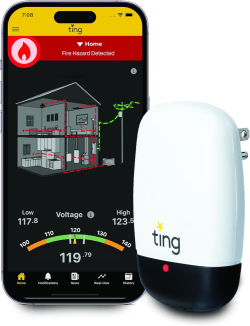
    The Ting fire prevention sensor is a revolutionary whole-home electrical monitoring system designed to detect hazardous conditions before they cause fires. After using this device for six months, I’m sharing my complete experience with how it works, what it detected, and whether it’s worth the investment for your home’s safety.

    The Ting Fire Prevention Sensor: A 24/7 Electrical Guardian

    “Prevents 80% of electrical fires before they start.” The claim, according to the National Fire Protection Association, electrical failures are a leading cause of home fires, making proactive monitoring essential. seemed almost too good to be true. The Ting sensor product page arrived in a simple box—no bigger than a hardcover book. Inside was what looked like a slightly oversized smartphone charger and a promise: this little device would monitor my entire home’s electrical system, learning its unique “signature” and alerting me to dangers I couldn’t see.

    I’ll admit, I was skeptical. How could something I plugged into a single outlet protect my entire 2,300-square-foot home? But I made a commitment to becoming a smart home so Ting seemed like a natural addition.

    The Two-Minute Miracle: Installation Was Almost Too Easy

    My wife watched, amused, as I opened the box. “Another gadget?” she teased. But even she couldn’t argue with the simplicity.

    1:15 PM: I plugged Ting into an outlet in our central hallway.
    1:16 PM: Downloaded the app.
    1:17 PM: Connected to Wi-Fi.
    1:18 PM: The green light glowed steadily. We were protected.

    “That’s it?” my wife asked.
    “That’s it,” I replied, feeling both relieved and somehow underwhelmed. Where were the complicated instructions? The technical setup? The inevitable call to customer support?

    But Ting just… worked.

    The First Alert: “Your Home Is Experiencing Brownouts”

    One week later, I got my first notification. Not a fire alarm. Not a smoking outlet. Something far more subtle—and in some ways, more frightening.

    Ting Alert: We’ve detected brief voltage drops (brownouts) in your home’s electrical supply. These occurred yesterday at 6:15 PM and 7:30 PM.

    I stared at my phone. Brownouts? In my home? I hadn’t noticed anything. No flickering lights. No electronics resetting. Nothing.

    I opened the app and found a detailed timeline showing exactly when these voltage drops had occurred—both times right as our neighborhood was likely cooking dinner, running dishwashers, and watching TV. The app explained that brownouts stress electronics and can indicate problems with the local grid or my home’s electrical system.

    This was my first revelation: My home had electrical issues I couldn’t see, hear, or smell. Issues that were quietly damaging our appliances and potentially leading to bigger problems.

    Becoming an Electrical Detective: What Ting Taught Me About My Home

    Over the next month, Ting transformed from a simple monitoring device into my personal electrical detective. Through the app, I learned:

    My Home’s “Baseline”: Ting showed me what normal electrical activity looked like for our house. I could see the gentle uptick when the refrigerator cycled on, the predictable spike when the air conditioner kicked in, the steady draw from our always-on devices.

    The Storm Pattern: During a thunderstorm, Ting alerted me to “voltage fluctuations” before the lights even flickered. The app explained this was normal during storms but gave me peace of mind that my system was handling it appropriately.

    The Ghost Loads: I discovered several “phantom loads”—devices drawing power even when “off.” That old DVD player in the guest room? Drawing power 24/7. The printer in my office? Same.

    The Community of the Protected: 1 Million Homes and Counting

    As I’ve lived with Ting, I’ve come to appreciate that I’m part of something larger. The app occasionally shares (anonymous) community insights:

    • “15 homes in your state detected similar issues this month”
    • “Your electrical health score is better than 82% of similar homes”
    • “1,023 potential electrical fires prevented this week nationwide”

    There’s comfort in numbers. Knowing that over 1 million homes are being monitored, that 15,000 families have potentially been saved from disaster—it transforms Ting from a “gadget” into a movement. A quiet revolution in home safety.

    The Real Cost: Beyond Dollars and Cents

    Yes, there’s the initial investment for the Ting fire prevention sensor and first year of service. Yes, there’s the annual fee after that. But how do you quantify:

    • Sleeping through the night without worrying about electrical fires?
    • Knowing that if something goes wrong, I’ll be alerted immediately?
    • The education about my home’s electrical system that I never knew I needed?
    • The potential prevention of a fire that could cost tens of thousands in damages—or worse?

    For me, it breaks down to about 13 cents per day after the first year. Less than a postage stamp. Less than a single load of laundry. For 24/7 protection.

    The Limitations: What Ting Can’t Do

    In the interest of full transparency, Ting isn’t magical:

    • It can’t pinpoint exact locations of issues within walls (though it can identify affected circuits)
    • It requires Wi-Fi (though this is necessary for its function)
    • It’s U.S. only for now
    • It doesn’t replace smoke detectors or common sense
    • It won’t prevent all electrical fires (though 80% is remarkable)
    • It can’t detect smoke, carbon monoxide, or water leaks

    Six Months Later: A Transformed Relationship with My Home

    Today, Ting sits quietly in my hallway, its green light a constant, gentle reminder: “I’ve got this.”

    The anxiety that followed my brownout experience has largely faded. I don’t unplug everything at night anymore. I don’t jump at every flicker. Instead, I have data. Understanding. Awareness.

    My biggest surprise wasn’t discovering a major fault—it was learning about the brownouts. Those silent, invisible voltage drops that were stressing my electronics and indicating grid issues I never knew existed. That knowledge alone has saved me potential thousands in appliance repairs.

    Would I Recommend Ting? A Heartfelt Yes—With Context

    If you’re considering Ting, here’s my advice:

    View Ting product details if:

    • You own your home (especially if it’s older)
    • You’ve ever had electrical concerns or issues
    • You want proactive rather than reactive protection
    • You value data and understanding your home’s systems
    • Peace of mind is worth a modest investment to you

    Consider alternatives if:

    • You’re on an extremely tight budget (though I’d argue safety isn’t where to cut corners)
    • You rent and can’t get landlord approval
    • You live outside the U.S.
    • You want something that requires zero ongoing costs

    The Bottom Line: An Ounce of Prevention

    They say an ounce of prevention is worth a pound of cure. In the case of electrical fires, I’d argue it’s worth far more. Ting has given me something no smoke detector ever could: early warning. The kind of warning that comes not when smoke appears, but when the conditions for smoke begin to develop.

    That little white device in my hallway? It’s more than technology. It’s a guardian. A teacher. A watchful eye on the invisible currents that power our lives.

    And in a world where we can monitor our fitness, our finances, and our social connections from our phones, doesn’t it make sense to monitor the very thing that could save—or take—everything we’ve built?


    Your Turn: Have you experienced electrical scares in your home? Are you using any monitoring technology? I’d love to hear your stories and questions in the comments below. Let’s make our homes safer, together. 🔌❤️🏠

    Note: I purchased Ting with my own funds and have no affiliation with the company. This narrative reflects my genuine experience as a homeowner seeking greater safety and peace of mind.

  • Smart Lightbulb Camera

    Smart Lightbulb Camera

    Lorex 2K Smart Light Socket Camera Review: Discreet Security Without Wiring

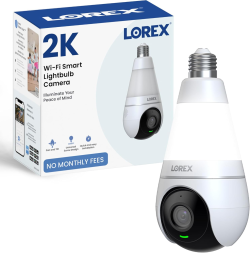
    The Lorex 2K Pan-Tilt Smart Light Socket Camera transforms ordinary light sockets into powerful security hubs with minimal effort. If you want discreet monitoring without complex wiring or smart home hubs, this innovative camera delivers exceptional value.


    Note: This post contains links to pages with Amazon affiliate links. If you click a link and make a purchase, I may earn a small commission at no extra cost to you. Always check product pages for current prices, specifications, and compatibility before buying.


    Effortless Installation

    • Plug-and-play setup into standard E26/E27 sockets
    • No wiring or tools required
    • No smart hub needed – connects directly to Wi-Fi
    • Perfect for renters or those avoiding permanent installations

    Superior Video Quality

    • Crystal-clear 2K resolution (4x better than 1080p)
    • Full-color night vision even in low-light conditions
    • Wide 360° coverage with pan-and-tilt functionality
    • Adjustable field of view via mobile app

    Smart Security Features

    • Advanced motion detection for people and vehicles
    • Customizable activity zones to reduce false alerts
    • Built-in 6500K LED light with motion activation
    • Two-way audio for remote communication
    • Quick reply presets for instant responses

    Privacy & Storage Options

    • Multiple storage choices:
      • Optional cloud subscription
      • Local microSD card (sold separately)
      • Lorex Fusion recorders
    • Physical privacy mode – lens retracts completely
    • End-to-end encryption for data security

    Step-by-Step Setup:

    1. Screw into socket like a regular light bulb
    2. Download Lorex app from App Store/Google Play
    3. Connect to Wi-Fi via QR code scanning
    4. Customize settings in under 5 minutes

    Time to install: 3-5 minutes
    Technical skill required: Beginner-friendly


    1. ✅ Excellent clarity – read license plates from 25+ feet
    2. ✅ Vibrant colors – accurate representation
    3. ✅ Smooth pan/tilt – responsive remote control
    4. ✅ Full-color mode – impressive low-light performance
    5. ✅ Built-in light – activates with motion detection
    6. ✅ Clear details – recognizable faces in illuminated areas
    7. ✅ Accurate alerts – minimal false notifications
    8. ✅ Fast app response – live view loads quickly
    9. ✅ Reliable two-way audio – clear communication

    Pros:

    • Ultra-discreet design – looks like a regular light fixture
    • No wiring required – perfect for temporary installations
    • Excellent video quality – day and night
    • Comprehensive coverage – 360° pan and tilt
    • Multiple storage options – flexibility for different needs
    • Physical privacy mode – peace of mind at home

    Cons:

    • Requires stable Wi-Fi – 2.4GHz network only
    • MicroSD card sold separately – additional cost
    • Cloud storage requires subscription – ongoing expense
    • Limited to E26/E27 sockets – check your fixtures first

    Perfect For:

    • Front porch security – monitor packages and visitors
    • Rental properties – temporary, non-invasive installation
    • Garage or workshop – keep tools and equipment secure
    • Baby monitoring – discreet nursery camera alternative
    • Pet monitoring – check on animals while away
    • Elderly care – discreet safety monitoring

    Consider Alternatives If:

    • You need outdoor-rated cameras (this is indoor/covered outdoor only)
    • You require continuous 24/7 recording without subscription
    • Your sockets aren’t standard E26/E27 size

    Q: Does it work with Alexa/Google Home?
    A: Yes! Compatible with both Alexa and Google Assistant for voice control.

    Q: Can I use it outdoors?
    A: Only in covered outdoor areas (porches, garages). Not rated for direct rain exposure.

    Q: What’s the Wi-Fi range?
    A: Works best within 30 feet of router. Consider Wi-Fi extenders for larger homes.

    Q: Is there a monthly fee?
    A: Only for cloud storage. Local microSD recording has no monthly costs.

    Q: How’s the customer support?
    A: Lorex offers 24/7 support via phone, chat, and email with generally positive reviews.

    Who Should Buy This:

    • Homeowners wanting discreet security
    • Renters needing temporary solutions
    • Tech beginners avoiding complex setups
    • Small business owners monitoring entryways
    • Parents seeking additional home monitoring

    Overall Rating: 4.5/5 Stars ⭐⭐⭐⭐✨

    Bottom Line: The Lorex 2K Pan-Tilt Smart Light Socket Camera delivers professional-grade security with consumer-friendly installation. Its unique socket-based design, excellent video quality, and smart features make it a standout choice for anyone seeking effective, discreet home monitoring without the hassle of traditional security systems.


    Related Links

  • Alexa “Goodnight” Routine

    Alexa “Goodnight” Routine

    Perfect Beginner Smart Home Automation

    Transform bedtime into a seamless smart home experience with one simple voice command. Here’s my real-world Alexa “Goodnight” routine using Amazon Alexa, smart plugs, and Echo devices—setup takes just minutes.


    Note: This post contains links to pages with Amazon affiliate links. If you click a link and make a purchase, I may earn a small commission at no extra cost to you. Always check product pages for current prices, specifications, and compatibility before buying.


    When I say “Alexa, goodnight” from any room:

    1. Three bedroom lamps turn ON (via smart plugs)
    2. Lights stay bright for 5 minutes—perfect for getting ready for bed
    3. At the 5-minute mark:
      • Bedroom lights automatically turn OFF
      • Nightlight turns ON for safe navigation
      • Echo plays my favorite sleep playlist for 60 minutes

    Echo Devices (3 strategically placed)
    Voice control from kitchen, living room, or hallway. Multiple Echos ensure Alexa hears you anywhere in the house.

    1. Open Alexa app → More → Routines → +
    2. Trigger: “When you say… Goodnight”
    3. Add actions:
      • Smart Home → Bedroom group → Turn ON (5 min delay)
      • Smart Home → Nightlight → Turn ON (after 5 min)
      • Music → Play playlist (60 min timer)[1]
    4. Save—routine activates immediately
    • One command controls 5 actions
    • Energy efficient—lights auto-off prevents forgotten lamps
    • Customizable—adjust timing, music, or add “lock doors”
    • Scalable—add morning routine: “Alexa, good morning”

  • Revolutionize Your Cleaning Routine: The HydroJet Robot Mop with Self-Washing Rollers – Best Robot Mop for Pet Hair

    Revolutionize Your Cleaning Routine: The HydroJet Robot Mop with Self-Washing Rollers – Best Robot Mop for Pet Hair

    This is best robot mop for pet hair!


    If you’re looking for the best robot mop for pet hair, tired of endless vacuuming and mopping? This HydroJet System robot mop delivers hands-free whole-home cleaning with cutting-edge features tailored for savvy buyers who prioritize efficiency over hassle. Moreover, it’s best robot mop for pet hair. Perfect for pet households, it combines 20,000 Pa turbo suction, self-washing tech, and smart navigation to reclaim your time without compromising on spotless results.

    Note: This post may contain Amazon affiliate links. If you click a link and make a purchase, I may earn a small commission at no extra cost to you. Always check product pages for current prices, specifications, and compatibility before buying.

    Your LifestyleWhy It Fits
    Pet OwnersSuperior hair pickup, anti-tangle brushes, and edge cleaning tackle fur in hard-to-reach spots.
    Busy and not enough time in the dayAll-in-one automation means set-it-and-forget-it cleaning for weeks.
    Multi-Surface HomesHandles carpets, hard floors, and edges with turbo power.
    Tech EnthusiastsApp updates, Wi-Fi control, and smart avoidance keep it future-proof.
    • HydroJet System with Self-Washing Roller Mops: Refreshes rollers 2 times per second in real-time, ensuring uninterrupted, streak-free cleaning – far surpassing basic mops that require constant manual intervention. Additionally, similar to advanced iRobot models with heated mopping and PowerSpin rollers at 200 RPMs for deep scrubbing.
    • All-in-One Station for True Hands-Free Operation: Automates self-emptyingself-washingself-refillinghot air drying, and more. Handles up to 75 days of debris and 8 weeks of mop maintenance, minimizing downtime like premium docks in top Roombas.
    • 20,000 Pa Turbo Suction + Pet Hair Mastery: Furthermore, powers through dust, debris, and stubborn pet hair on all surfaces – delivering professional results that outpace many standard vacuums (e.g., 10x suction over older Roomba 600 series).
    • DuoSpiral Anti-Tangle Brushes: Prevents clogs from fur and hair, reducing manual cleanups – ideal for pet owners, akin to iRobot’s dual rubber brushes and anti-tangle designs.
    • Full Edge Coverage with CornerRover Arm: In addition, reaches tight corners and walls seamlessly, ensuring no spots are missed – comparable to Roomba s9’s D-shaped design for optimized edge cleaning.

    Stay ahead with app-controlled firmware updates for reliable performance and new functions. Wi-Fi compatibility (2.4GHz only) and 110V voltage make setup simple – just confirm your region’s match for seamless integration.

    Like leading competitors, it excels in navigation: Expect precise mapping, obstacle avoidance (cords, pet waste), and room prioritization, drawing from tech like ClearView LiDAR and PrecisionVision AI in high-end Roombas.