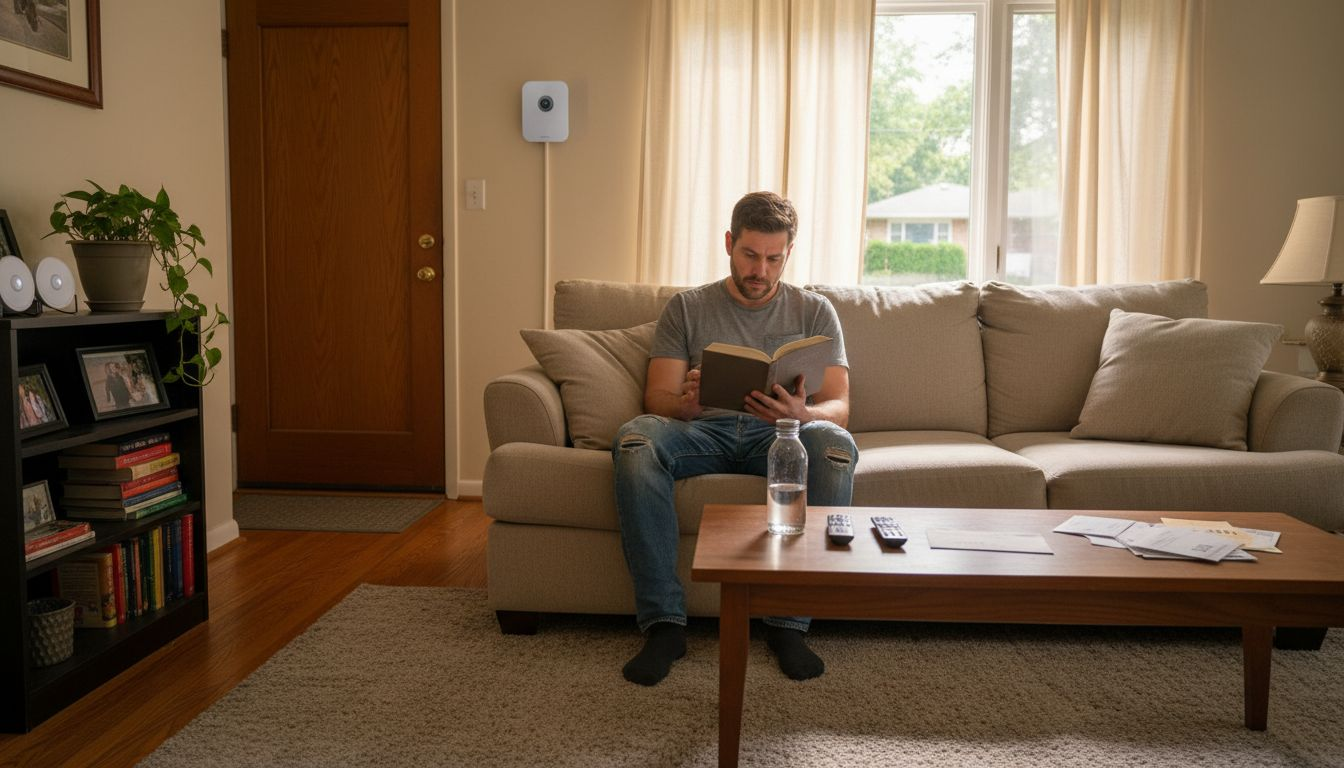
Smart home occupancy detection uses a combination of sensors and intelligent software to understand when people are present in your home, so your system can respond automatically with the right security and energy-saving actions. Put simply, what is smart home occupancy detection if not the link between real-time presence data and smarter lighting, HVAC, and safety routines that adapt to how you actually live every day.
Table of Contents
- Smart Home Occupancy Detection Explained
- Sensor Technologies And Detection Methods
- Energy Efficiency And Security Applications
- Integration With Smart Home Platforms
- Privacy Concerns And Common Mistakes
Key Takeaways
| Point | Details |
|---|---|
| Advanced Technologies | Smart home occupancy detection uses diverse sensors like infrared, RF, computer vision, and acoustic systems to accurately track human presence. |
| Energy Efficiency | These technologies optimize energy use by adjusting HVAC and lighting based on actual occupancy, reducing energy costs. |
| Security Applications | Occupancy detection enhances security by monitoring unauthorized access and generating alerts for unusual activity. |
| Privacy Considerations | Homeowners should prioritize privacy by implementing data protection measures and using non-visual sensors to safeguard personal information. |
Smart home occupancy detection explained
Smart home occupancy detection represents a sophisticated technological approach to understanding human presence within indoor environments. This innovative system goes far beyond traditional motion sensors by utilizing advanced sensing techniques that can accurately track and analyze human movement and presence.
The core functionality of occupancy detection involves multiple sensing technologies designed to identify when people are present in specific spaces. These technologies typically include:
- Infrared sensors that detect heat signatures
- Radio frequency (RF) sensors measuring electromagnetic waves
- Computer vision systems using camera-based tracking
- Acoustic sensors analyzing sound patterns and human movement
By integrating these diverse sensing methods, smart home systems can create comprehensive understanding of indoor human activity. The primary goals of such systems include enhancing home security, optimizing energy consumption, and creating more responsive living environments.
Here’s a comparison of common occupancy detection sensor types:
| Sensor Type | Data Captured | Main Advantage | Typical Limitation |
|---|---|---|---|
| Infrared | Body heat signatures | High accuracy for humans | Limited by walls and objects |
| Radio Frequency (RF) | Electromagnetic disturbances | Non-intrusive, privacy-friendly | Can be affected by interference |
| Computer Vision | Visual movement and images | Detailed activity recognition | Privacy and lighting concerns |
| Acoustic | Sound patterns and noise | Works without line of sight | Prone to false triggers (appliances) |
Occupancy detection technologies work through sophisticated algorithms that analyze sensor data in real-time. These systems can distinguish between actual human presence and false triggers like moving curtains or pets, ensuring accurate tracking and minimal unnecessary system activations.
Pro tip: Consider layering multiple occupancy detection technologies for the most reliable and comprehensive home monitoring experience.
Sensor technologies and detection methods – What is smart home occupancy detection
Smart home occupancy detection leverages a diverse array of sensor technologies that work together to provide comprehensive indoor monitoring. Multiple sensor data fusion techniques enable more accurate and reliable human presence tracking across different home environments.
The primary sensor technologies used in occupancy detection include:
- Motion sensors that detect physical movement
- Temperature and humidity sensors tracking environmental changes
- Infrared sensors measuring heat signatures
- CO2 sensors analyzing air composition and human respiration
- Acoustic sensors detecting sound patterns and human activity
- Electrical consumption meters tracking power usage patterns
Advanced detection methods go beyond simple threshold-based algorithms, incorporating sophisticated machine learning approaches. Innovative methodologies combining electricity consumption data with change point detection and classification algorithms can significantly improve occupancy interval extraction and energy optimization.

These sensor technologies operate through complex algorithmic processes that analyze multiple data points simultaneously. By integrating different sensing methods, smart home systems can create a comprehensive and nuanced understanding of human presence, distinguishing between actual occupancy and potential false triggers like pet movements or environmental fluctuations.
Pro tip: Combine at least three different sensor technologies for the most accurate and reliable occupancy detection system in your smart home.
Energy efficiency and security applications
Occupancy detection technologies offer remarkable dual benefits of enhancing both home security and energy efficiency through intelligent automated systems. Sophisticated detection technologies enable demand-driven control of home environmental systems, dramatically reducing energy waste while simultaneously improving home protection.
Key energy efficiency applications include:
- Automatic HVAC system optimization based on actual room occupancy
- Smart lighting controls that activate only when people are present
- Precise temperature adjustments matching real-time human presence
- Appliance power management preventing unnecessary electricity consumption
- Targeted heating and cooling for actively used spaces
Security applications leverage occupancy data to create proactive protection mechanisms. These systems can:
- Detect unexpected presence in restricted areas
- Generate immediate alerts for unusual occupancy patterns
- Automatically activate security protocols during unauthorized entry
- Track movement within different home zones
- Provide comprehensive activity logging for potential review
By integrating multiple sensor technologies, smart homes transform raw occupancy data into actionable insights that simultaneously optimize energy consumption and enhance security. The intelligent algorithms analyze complex data patterns, distinguishing between normal household activities and potential security threats with remarkable precision.

Below is a summary of energy and security benefits enabled by smart occupancy detection: – What is smart home occupancy detection
| Benefit Area | How Occupancy Detection Helps | Long-Term Impact |
|---|---|---|
| Energy Efficiency | Adapts HVAC and lighting to real use | Reduced energy bills |
| Security | Detects unusual presence, sends alerts | Fewer false alarms, increased safety |
Pro tip: Configure your occupancy detection system with overlapping sensor technologies to minimize false triggers and maximize both energy savings and security effectiveness.
Integration with smart home platforms
Occupancy detection systems are revolutionizing home automation through sophisticated IoT infrastructure and cloud computing integration. These advanced platforms enable seamless communication between diverse sensors, creating a unified and intelligent home ecosystem that adapts to residents’ real-time behaviors and preferences.
Key integration features of modern smart home platforms include:
- Centralized data collection from multiple sensor types
- Real-time monitoring and analysis of occupancy patterns
- Automated responses across different home systems
- Interoperability between security, energy, and comfort applications
- Cloud-based machine learning algorithm optimization
Wi-Fi and wireless technologies play a crucial role in enabling comprehensive platform integration. WiFi-based sensor fusion methods allow for ubiquitous occupancy tracking, supporting adaptive responses such as:
- Automatic lighting adjustments
- Dynamic HVAC temperature control
- Personalized security alert configurations
- Energy consumption optimization
- Predictive maintenance recommendations
These intelligent platforms transform raw sensor data into actionable insights, creating a responsive and efficient living environment that anticipates and meets residents’ needs with remarkable precision and convenience.
Pro tip: Select smart home platforms that support open-standard protocols to ensure maximum compatibility and future expandability of your occupancy detection system.
Privacy concerns and common mistakes
Occupancy detection technologies introduce significant privacy challenges that homeowners must carefully navigate. Privacy risks emerge from continuous data collection that can potentially reveal sensitive behavioral patterns and personal routines without proper safeguards.
Common privacy mistakes in smart home occupancy systems include:
- Using cameras without clear consent mechanisms
- Neglecting data encryption protocols
- Failing to anonymize collected sensor data
- Storing excessive personal information
- Lacking transparent user control options
- Ignoring international privacy regulations
Homeowners should implement robust privacy protection strategies that balance technological convenience with personal data security. Standardized security protocols are essential for maintaining user trust and preventing unauthorized data access. These strategies involve creating comprehensive privacy frameworks that prioritize user consent, data minimization, and transparent information handling.
Effective privacy management requires selecting sensor technologies that inherently protect personal information. Non-visual sensors like acoustic or radio frequency detectors can provide occupancy insights without capturing identifiable personal data, offering a more privacy-conscious approach to home monitoring.
Pro tip: Choose occupancy detection systems with built-in privacy controls that allow granular user permissions and automatic data deletion.
Take Control of Your Smart Home Security and Efficiency Today
Managing energy use and securing your home can feel overwhelming when faced with complex occupancy detection options and privacy concerns. This article highlights how layered sensor technologies and precise data analysis can transform your living space into a secure, energy-efficient environment. Now imagine simplifying this process with expert guidance on choosing and integrating the best devices to suit your unique needs.

Discover trusted advice and detailed reviews to build smart systems that truly work for you in our Smart Home Safety Archives – Smart Home HQ. Whether you want to master device categories or dive into automation strategies, The Complete Smart Home Automation Master Guide Archives – Smart Home HQ offers step-by-step support. Access the latest insights and recommendations now at https://smarthomehq.house and start creating a responsive home that maximizes security and energy savings with confidence.
Frequently Asked Questions
What is smart home occupancy detection?
Smart home occupancy detection is a technology that accurately tracks and analyzes human presence in indoor environments using various sensor types, including infrared, radio frequency, computer vision, and acoustic sensors.
How does occupancy detection improve home security?
Occupancy detection enhances home security by identifying unusual patterns of presence, sending alerts for unauthorized entry, and monitoring activity in restricted areas. This proactive approach helps protect against potential security threats.
Can occupancy detection systems help save on energy costs?
Yes, occupancy detection systems optimize energy consumption by adjusting HVAC settings and lighting based on actual room occupancy. This leads to significant savings on energy bills by preventing unnecessary use of electricity.
What sensor types are commonly used in smart home occupancy detection?
Common sensor types include infrared sensors that detect heat signatures, radio frequency sensors measuring electromagnetic waves, computer vision systems utilizing cameras, and acoustic sensors analyzing sound patterns. Each offers unique advantages for accurate occupancy tracking.
Recommended
- Why Smart Home Security Matters for Urban Living
- Role of Sensors in Smart Homes –
- Why Prioritize Smart Home Security Now
- What Is Smart Home Security: Protecting Your Home with Tech