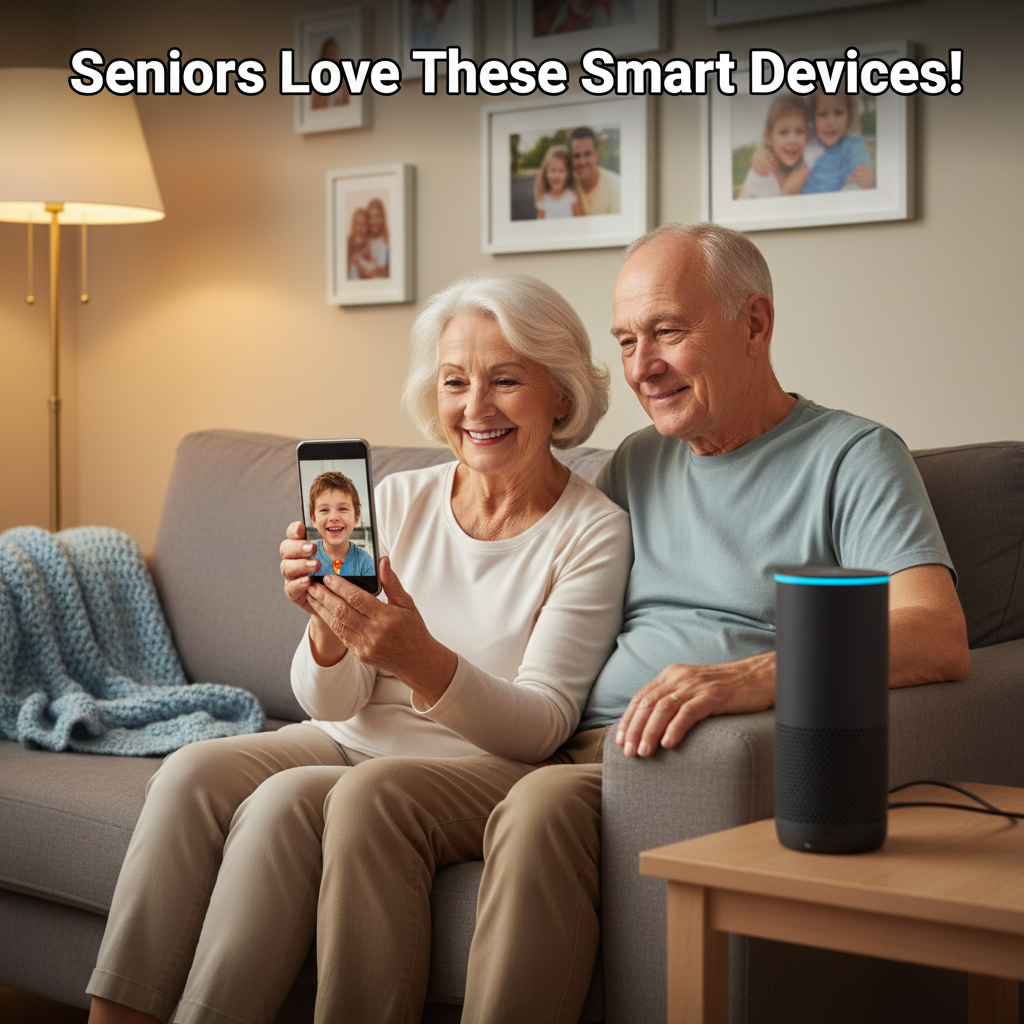
Tag: Smart Home for Seniors

  • Smart Technology for Seniors

    Smart Technology for Seniors

    Your First Steps Towards a Smart Home

    Smart Technology for Seniors is all about using today’s easy, affordable smart devices to make everyday life safer, simpler, and more comfortable for older adults. From voice-controlled speakers to smart lights and locks, these tools can quietly support independence at home without adding technical stress or taking away control.

    AI Smart Tech Seniors

    Embarking on your smart home journey doesn’t have to be overwhelming! The best way to start is by taking small, manageable steps.

    Where to Begin:

    Recommendation: Start small! Don’t feel pressured to automate your entire home overnight. Pick one area of concern that resonates with you. Maybe by enhancing security, making daily routines easier, or just exploring something new that excites you.

    Suggestion: Voice assistants like an Echo Dot or Google Nest Mini are fantastic starting points. 🗣️ They are incredibly versatile, relatively inexpensive., and allow you to try out voice control for music, news, setting timers. Additionally, you can ask a variety of questions, all with simple commands.

    Key Considerations: Before purchasing any smart device, keep these important points in mind to ensure a positive experience:

    Ease of Use: Prioritize devices with simple, intuitive interfaces or, even better, those that can be controlled primarily by voice. Look for clear instructions and straightforward app designs.

    Reliability: Stick with reputable brands known for quality and good performance. Researching reviews from other seniors can be particularly helpful.

    Privacy: Understand how your personal data might be used by smart devices. Most reputable brands offer transparent privacy policies.

    Support: Ensure that the company offers accessible customer service, whether it’s via phone, email, or online resources. Just in case you have questions or need assistance.

    Installation & Setup: 

    The thought of setting up new technology can feel daunting, but you might be surprised!

    Many smart devices are designed to be “plug and play” – simply plug them in, download a user-friendly app. Then just follow a few on-screen steps.

    If you prefer a hands-off approach, professional installation services are often available for more complex systems. Thereby, offering complete peace of mind.

    Don’t hesitate to ask! Your tech-savvy family members or friends would likely be thrilled to help you set up new gadgets and show you how they work. It can even be a fun activity to do together!

    The Future is Here: Remember, smart technology is continuously evolving and becoming even more user-friendly. What might seem complex today is often simplified tomorrow. Embracing these innovations now means you’re stepping into a future designed to enhance your comfort, safety, and connection. Welcome to your smarter home! ✨


    Common Questions About Smart Home Technology for Seniors

    Is this technology too complicated for me

    Smart home technology uses connected devices like smart lights, thermostats, speakers, and sensors that you can control automatically or with your voice instead of walking around to flip switches and dials. For seniors, the goal is a safer and more convenient home that quietly helps with everyday tasks.

    How can smart home devices help me live independently longer?

    Smart home devices can turn lights on automatically, adjust the temperature, lock doors, and even alert family if something seems wrong. Thus reducing fall risk and everyday strain. This extra layer of support helps many older adults stay in their own homes longer with more confidence and less reliance on in‑person help.

    Are smart home devices hard to use for seniors?

    Most seniors can learn simple smart devices quickly.
    Especially ones that use clear buttons, big screens, or voice control instead of complicated menus. Having someone set things up, keep the number of devices small, and provide step‑by‑step instructions makes day‑to‑day use much easier.

    Do I have to use a smartphone or computer to control everything?

    You can use a smartphone or tablet if you like. However, many seniors mostly use their voice—talking to a smart speaker or smart display—to turn lights on, adjust the thermostat, or make calls. Simple wall switches, buttons, and remotes can also be added so you still have familiar physical controls when you want them.

    More QuestionsAI Smart Technology Seniors

    Will smart home technology replace my caregivers or family?

    Smart devices are meant to support—not replace—caregivers and family. They can handle routine tasks and send alerts when something seems off. They can give everyone more peace of mind and free up time for caregivers to focus on personal visits and meaningful conversations instead of constant checking.

    How can my family help me get started?

    Family or caregivers can help choose simple devices and set them up securely. Also teach and practice a few core commands you can use every day. Regular check‑ins to adjust settings, add new reminders, or fix issues make the technology feel like a dependable partner instead of a source of frustration.

    How do voice assistants like Alexa or Google help older adults?

    Voice assistants let you use natural speech to set reminders, make calls, get the weather, control lights, and play music without needing to see small screens or press tiny buttons. This hands‑free control is especially helpful for seniors with arthritis, vision challenges, or balance issues, because they can stay seated and still manage the home.

    Additional QuestionsAI Smart Technology Seniors

    Can smart home technology improve my safety?

    Yes—smart lights can reduce falls at night, smart locks can confirm doors are locked, and sensors or emergency devices can send alerts if there’s a fall or a possible problem. Together, these tools create a quiet safety net that supports you without feeling like a hospital or taking away your independence.

    What about privacy—am I being “watched” all the time?

    Many seniors worry about cameras and constant monitoring, so it’s important to choose only the devices you’re comfortable with and turn off features you don’t want. You can often disable cameras, limit what’s recorded, and review privacy settings with a family member so you stay in control of what data is shared.

    Are smart devices secure from hackers and scams?

    No device is 100% risk‑free, but using strong passwords, enabling automatic updates, and turning on extra security options (like two‑step verification) greatly reduces the risk. Having a trusted family member or caregiver help with setup and regularly checking settings is one of the best protections for seniors.

    How much do smart home devices cost, and do I need everything at once?

    Costs vary, but you can start small with one or two devices. For example, a smart speaker and a couple of smart bulbs—and add more only if they’re useful. Many families see these devices as an investment in safety and peace of mind, similar to grab bars or medical alert systems.
    Additional Resources

  • Smart Home Tech Older Adult Guide

    Smart Home Tech Older Adult Guide

     🤖 What is AI (Artificial Intelligence)?

    Let’s start with AI, or Artificial Intelligence. Smart home technology is no longer just for tech enthusiasts—it can make everyday life safer, easier, and more comfortable for any older adult. Smart Home Tech Older Adult solutions, like voice-controlled lights, smart thermostats, and helpful reminders, are designed to support independence while keeping you connected to loved ones in simple, stress-free ways.

    To put it simply: AI helps your devices become “smarter” over time, making your life easier!

    Everyday Examples You Might Already Know:

    🗣️ Your phone suggesting words as you type a message – That’s AI learning your vocabulary!

    🎬 Streaming services recommending movies or shows you might like – AI analyzes your viewing history to offer personalized suggestions.

    🌡️ A smart thermostat learning your preferred temperature schedule – It observes when you like it warmer or cooler and adjusts automatically.


    🏠 What is Smart Home Technology?

    Now, let’s explore Smart Home Technology. These are simply everyday devices in your home—things like your lights, thermostats, door locks, or even vacuum cleaners—that have been designed to connect to the internet. Because they’re connected, they can “talk” to each other and be controlled remotely, often from your smartphone, a tablet, or even with your voice.

    The real magic? They can also act automatically based on schedules you set or events that happen (like automatically locking a door at bedtime).

    Popular Smart Home Devices Include:

    • 💡 Smart Lights – Control brightness and color from anywhere
    • 🔐 Smart Locks – Lock/unlock doors remotely and grant access to visitors
    • 📹 Security Cameras – Monitor your home from your phone
    • 🧹 Robot Vacuums – Clean your floors on schedule
    • 🔊 Voice Assistants – Like Amazon Alexa or Google Home

    🧠 How Do AI and Smart Home Technology Work Together?

    Think of it this way: AI provides the “brainpower” that makes smart home devices truly intelligent and intuitive. While smart home devices can be connected and controlled, AI takes it a step further by enabling them to learn, adapt, and predict your needs.

    For example: Your smart home learns that you typically turn on the living room lights at 6 PM. After a few weeks, AI notices this pattern and starts turning them on automatically—without you lifting a finger!

    It’s the combination of connected devices and intelligent AI that transforms a regular house into a truly “smart home” that responds to your lifestyle. 🧠🏠


    🔒 A Quick Note About Safety & Privacy

    Smart home technology is designed with security in mind, but here are simple steps to stay safe:

    •  Use strong, unique passwords for your devices and accounts
    • Keep devices updated – Install updates when prompted
    • Only share access with people you trust

    Remember: You’re always in control of your smart home devices and can turn features on or off anytime.


    🚀 Getting Started: Simple First Steps

    Smart Home Tech Older Adult

    If you’re new to AI and smart home technology, here’s how to begin:

    1. Start Small – Try one device first, like a smart speaker (Amazon Echo or Google Home)

    2. Choose User-Friendly Options – Look for devices labeled “easy setup” or “senior-friendly”

    3. Ask for Help – Have a family member or friend assist with initial setup

    4. Take Your Time – There’s no rush! Learn at your own pace and add devices as you feel comfortable

    5. Explore Voice Control – Voice commands can be easier than using apps or buttons


    🎯Smart Home Tech Older Adult Key Takeaways

    Here’s what to remember about AI smart tech for seniors:

    • 🧠 AI learns your preferences and makes devices work automatically for you
    • 🏡 Smart home devices connect to the internet and can be controlled remotely
    • 🤝 Together, they create convenience and can make daily living easier
    • 🔐 Safety is important – Use good passwords and keep devices updated
    • 👣 Start simple – Begin with one device and expand when you’re ready

    💡 Ready to Learn More?

    Smart Home Tech Older Adult

    Smart home technology is here to help, not to complicate your life. The goal is always to make things simpler, safer, and more convenient for you. Whether it’s adjusting your thermostat from bed, checking who’s at the door, or simply asking a voice assistant about the weather—AI smart tech is designed to serve you.

    Remember: You don’t need to be a tech expert to enjoy the benefits of a smart home. With patience and a willingness to try something new, anyone can embrace these helpful technologies!


    Have questions about getting started with Smart Home Tech Older Adult? Feel free to reach out or explore our other beginner-friendly guides! 

    How a Smart Home Can Help You Age in Place is another resource, available from AARP


  • Senior Safety Tech Solutions

    Senior Safety Tech Solutions

    Welcome to a world where technology is transforming the way we ensure the safety and well-being of seniors! As we age, maintaining independence while staying secure becomes a top priority. Thankfully, modern advancements in senior safety tech solutions are making it easier than ever to live confidently at home. In this comprehensive guide, we’ll explore the latest innovations, practical solutions, and tips to help seniors and their loved ones embrace safety with a smile. 😊


    Why Senior Safety Tech Matters

    Aging gracefully often means adapting to new challenges, such as mobility issues, memory concerns, or the risk of falls. Senior safety technology solutions are designed to address these challenges by providing tools that promote independence, reduce risks, and offer peace of mind for both seniors and their families.

    • Independence with Confidence: Technology allows seniors to live on their own terms without constant supervision.
    • Peace of Mind for Families: Caregivers can rest easy knowing their loved ones are protected by reliable systems.
    • Proactive Solutions: From fall detection to emergency alerts, tech helps prevent issues before they escalate.
    • Accessibility: Many devices are user-friendly, even for those who aren’t tech-savvy.

    Let’s dive into the exciting world of safety tech and discover how it’s changing lives for the better! 🌟


    Key Senior Safety Tech Solutions

    Here, we’ll highlight some of the most impactful technologies designed to keep seniors safe. These solutions are practical, innovative, and often seamlessly integrate into daily life.

    1. Medical Alert Systems

    Medical alert systems are a cornerstone of senior safety. These wearable devices or home-based systems allow users to call for help at the press of a button.

    • How They Work: Wearable pendants or wristbands connect to a base station or mobile app, alerting emergency services or family members when triggered.
    • Key Features: Fall detection, GPS tracking, and two-way communication.
    • Why They’re Great: They provide instant access to help, even if a senior can’t reach a phone.
    • Popular Brands: Life Alert, Medical Guardian, and Bay Alarm Medical.

    2. Smart Home Devices for Safety

    Smart home technology isn’t just for convenience—it’s a game-changer for senior safety.

    • Smart Sensors: Motion sensors can detect unusual activity (or lack thereof) and send alerts to caregivers.
    • Smart Locks: Allow remote access for trusted family members or caregivers without the need for physical keys.
    • Voice Assistants: Devices like Amazon Alexa or Google Home can set reminders for medication, call for help, or control lights and appliances.
    • Why They’re Great: They create a connected, responsive environment tailored to a senior’s needs.

    3. Fall Detection and Prevention Tools

    Falls are a leading cause of injury among seniors, but technology is stepping in to help.

    • Wearable Fall Detectors: Devices like Apple Watch or specialized pendants automatically detect falls and send alerts.
    • Home Monitoring Systems: Cameras and sensors can identify risky movements and notify caregivers.
    • Balance Aids: Smart canes or walkers with built-in sensors provide stability and data on walking patterns.
    • Why They’re Great: They reduce response time in emergencies and help prevent falls before they happen.

    4. Medication Management Technology

    Forgetting to take medication can have serious consequences, but tech solutions make it easier to stay on track.

    • Smart Pill Dispensers: Devices like Hero or MedMinder dispense the right dose at the right time and send reminders.
    • Mobile Apps: Apps can notify seniors and caregivers about medication schedules.
    • Why They’re Great: They reduce the risk of missed doses or overdosing, ensuring health remains a priority.

    5. GPS Tracking and Location Services

    For seniors with memory issues or those who love to stay active, GPS technology offers an extra layer of security.

    • Wearable Trackers: Devices like AngelSense provide real-time location tracking.
    • Smartphone Apps: Apps can share a senior’s location with family members during outings.
    • Why They’re Great: They help locate loved ones quickly if they wander or get lost.

    6. Telehealth and Remote Monitoring

    Telehealth is revolutionizing how seniors access healthcare, especially for those with limited mobility.

    • Virtual Doctor Visits: Platforms like Teladoc allow seniors to consult doctors from home.
    • Remote Health Monitoring: Devices track vital signs like heart rate or blood pressure and share data with healthcare providers.
    • Why They’re Great: They bring medical care to the doorstep, reducing the need for frequent hospital visits.

    For more in-depth insights on these technologies, check out this fantastic resource: Senior Safety Technology Solutions by SmartHomeHQ. 🖱️


    Benefits of Embracing Senior Safety Tech

    Adopting these solutions isn’t just about safety—it’s about enhancing quality of life. Here’s why seniors and their families should consider integrating technology into their daily routines:

    • Enhanced Independence: Seniors can live at home longer without feeling like a burden.
    • Reduced Stress: Families worry less knowing there are systems in place to handle emergencies.
    • Customizable Options: From simple alert buttons to full smart home setups, there’s something for every need and budget.
    • Future-Proofing: As technology evolves, so do the ways it can support aging in place.

    The future is bright, and with senior safety technology solutions, aging doesn’t have to mean giving up freedom or security. 🌈


    Tips for Choosing the Right Tech

    With so many options available, selecting the best tools can feel overwhelming. Here are some tips to make the process easier:

    • Assess Needs First: Consider specific challenges, like mobility issues or memory concerns, before purchasing.
    • Prioritize Ease of Use: Look for devices with simple interfaces and minimal setup.
    • Check Compatibility: Ensure devices work with existing systems (like smartphones or home Wi-Fi).
    • Read Reviews: Learn from other users’ experiences to find reliable products.
    • Consult Professionals: Speak with healthcare providers or tech experts for personalized recommendations.
    • Test Before Committing: Many companies offer trial periods—take advantage of them!

    Frequently Asked Questions (FAQ)- Senior Safety Tech Solutions

    Here are some common questions about senior safety tech solutions, answered to help you make informed decisions. ❓

    What are senior safety technology solutions?

    Senior safety technology solutions are tools and devices designed to protect older adults, enhance their independence, and provide peace of mind. These can include medical alert systems, fall detectors, and smart home devices that work together to create a safer living environment.

    Are these technologies difficult to use for seniors?

    In most cases, these technologies are not difficult to use because they are designed with seniors in mind. Many offer simple interfaces, voice commands, and minimal setup, and family members or caregivers can also step in to help with installation and basic training.

    How much do senior safety technologies cost?

    Costs can vary quite a bit depending on the type of device and the features you choose. For example, basic medical alert systems may start at $20–$30 per month, while more advanced smart home setups are often a one-time investment of a few hundred dollars, sometimes with additional subscription fees.

    Can these technologies replace caregivers?

    These technologies are a fantastic support tool, but they are not a complete replacement for human caregivers. Instead, they complement caregiving by handling routine monitoring and emergencies so caregivers can focus more on emotional support, companionship, and in-person assistance.

    Where can I learn more about specific products?

    If you want to explore specific options in more detail, it helps to turn to trusted expert resources. For example, SmartHomeHQ offers in-depth reviews and comparisons of senior safety tech, including medical alert systems, smart home devices, and aging-in-place solutions.

  • Senior-Friendly Tech

    Senior-Friendly Tech

    🌟Smart Devices and Seniors: A Guide to Enhanced Living & Recommended Products

    Introduction: Embracing Technology in the Golden Years

    Senior-Friendly Tech, including Smart devices, are revolutionizing daily life for senior citizens, offering unprecedented levels of safety, connectivity, and independence. From voice-activated assistants to health-monitoring wearables, technology is bridging gaps and enhancing quality of life. This blog explores how seniors can overcome initial learning hurdles and leverage these tools for a more vibrant, secure lifestyle—plus discover our top-rated product recommendations.


    Affiliate Disclosure: If you click on a link to a product and make a purchase, I may receive a small commission at no extra cost to you.


    Senior-Friendly Tech – Table of Contents


    Senior-Friendly Tech – The Learning Curve: Challenges and Solutions

    Common Challenges Seniors Face with New Technology

    • Intimidation and Fear of Complexity 😰
      • Many seniors feel overwhelmed by multifunctional devices.
    • Physical Limitations 👓
      • Small screens, tiny buttons, or poor eyesight can hinder use.
    • Lack of Familiarity 📚
    • Security and Privacy Concerns 🔒
      • Worries about data breaches or online scams.
    • Cost Barriers 💸
      • High prices for devices or data plans.

    Practical Solutions to Overcome These Challenges

    • Start Simple 🚀
      • Begin with one device (e.g., a tablet or smart speaker) and master it before adding more.
    • Use Senior-Friendly Designs 👵
      • Opt for devices with larger fonts, voice commands, and simplified interfaces.
    • Leverage Family and Community Support 👨👩👧👦
      • Enlist tech-savvy relatives or local senior center classes for hands-on help.
    • Focus on Security Basics 🛡️
      • Teach strong password habits and how to recognize phishing attempts.
    • Explore Affordable Options 💰
      • Look into discounts from carriers or nonprofits that provide tech for seniors.

    10 Unique Ways Smart Devices Have Been Leveraged to Improve Quality of Life for Senior Citizens

    1. Voice-Activated Assistants for Hands-Free Help 🗣️
      • Devices like Amazon Echo or Google Home can set reminders, make calls, or control lights without touching a screen.
    2. Medication Management Smart Dispensers 💊
      • Automated pill dispensers alert seniors when it’s time to take medicine and notify caregivers if doses are missed.
    3. Fall Detection and Emergency Response Wearables 🆘
      • Smartwatches or pendants (e.g., Apple Watch, Medical Guardian) detect falls and automatically contact emergency services.
    4. Virtual Social Engagement Platforms 👥
      • Tablets enable video calls with family, virtual book clubs, or online games to combat loneliness.
    5. Smart Home Safety Systems 🏠
      • Sensors on doors, stoves, or water heaters alert seniors or caregivers to potential hazards like leaks or fires.
    6. Telehealth and Remote Health Monitoring 🩺
      • Devices that track blood pressure, glucose levels, or heart rate, sharing data directly with doctors.
    7. GPS Location Trackers for Wander Prevention 🧭
      • Wearable GPS devices help families locate seniors with dementia who may wander.
    8. Cognitive Stimulation Apps 🧠
      • Brain-training games on tablets or smartphones can help maintain mental sharpness and memory.
    9. Automated Home Comfort Controls 🌡️
      • Smart thermostats or lighting systems adjust automatically for comfort and energy savings.
    10. Digital Legacy and Memory Sharing Tools 📸
      • Cloud photo albums or voice-recorded story apps help preserve and share family histories easily.

    To help you get started, here are our top picks for devices that align with the benefits discussed above.

    🗣️ Voice Assistants & Smart Hubs

    🆘 Safety & Health Monitoring

    • Apple Watch Series 9 with Fall Detection: A premium, multi-functional wearable that monitors heart rate, detects falls, and facilitates emergency SOS calls. Check price on Amazon(affiliate link)
    • Medical Guardian MGMove: A dedicated medical alert watch with GPS, fall detection, and 24/7 professional monitoring—no smartphone required. Check price on Amazon(affiliate link)
    • Omron Platinum Blood Pressure Monitor: A top-rated, easy-to-use upper arm monitor that stores readings and connects to a free app for tracking. Check price on Amazon(affiliate link)

    💊 Medication Management

    • Hero Medication Dispenser: Automatically sorts and dispenses pills up to 10 times a day, sends alerts, and notifies caregivers of missed doses. Learn more on Hero
    • PillPack by Amazon Pharmacy: A full-service solution where medications are pre-sorted into dated packets and delivered to your door. Sign up for PillPack

    👵 Senior-Friendly Tablets & Phones

    • GrandPad Senior Tablet: A secure, subscription-based tablet designed exclusively for seniors. It offers one-touch video calling, photo sharing, and curated content with no confusing menus. Explore GrandPad(affiliate link)
    • Jitterbug Smart4 from Lively: A simplified smartphone with a bright screen, urgent response button, and easy-to-use apps for seniors new to smartphones. Check price on Amazon(affiliate link)

    🏠 Smart Home Safety

    • Google Nest Protect: A smart smoke and carbon monoxide alarm that speaks up to tell you where the danger is and sends alerts to your phone. Check price on Amazon(affiliate link)
    • Ring Alarm 8-Piece Kit: An easy-to-install DIY home security system with door/window sensors, motion detectors, and 24/7 professional monitoring available. Check price on Amazon(affiliate link)

    Senior-Friendly Tech – FAQ: Common Questions Answered

    Are smart devices difficult for seniors to learn?

    Not necessarily! Many are designed with voice control and simple interfaces. Starting with one device like the GrandPad or Amazon Echo Show and taking a senior-focused class can make the process smooth.

    What is the most useful smart device for a senior living alone?

    A combination like a voice-activated smart speaker (for daily tasks) and a dedicated medical alert system like Medical Guardian(affiliate link (for emergencies)) offers both assistance and safety.

     How can seniors protect their privacy when using smart devices?

    Use strong, unique passwords, enable two-factor authentication, and regularly update device software. Avoid sharing personal info over unfamiliar networks. Devices from reputable companies like Apple or Google have robust built-in privacy controls.

    Can smart devices replace human caregivers?

    No, they complement care by providing monitoring and alerts, but human interaction and professional care remain essential. Think of them as powerful tools that give both seniors and their families greater peace of mind.

    Where can seniors find affordable smart devices?

    Check with organizations like Older Adults Technology Services (OATS) or local community centers for discounted programs. Some service providers, like Lively (Jitterbug), also offer affordable monthly plans that include the device.

    Senior-Friendly Tech – Conclusion: A Brighter, Connected Future

    Smart devices are powerful tools that can significantly enhance the daily lives of senior citizens, promoting independence, safety, and social connection. While learning new technology poses challenges, these can be overcome with patience, support, and the right devices—like the ones we’ve recommended. By embracing these innovations, seniors can enjoy a more engaged, secure, and fulfilling lifestyle. Start small, seek help, and discover how technology can open new doors in your golden years! ✨