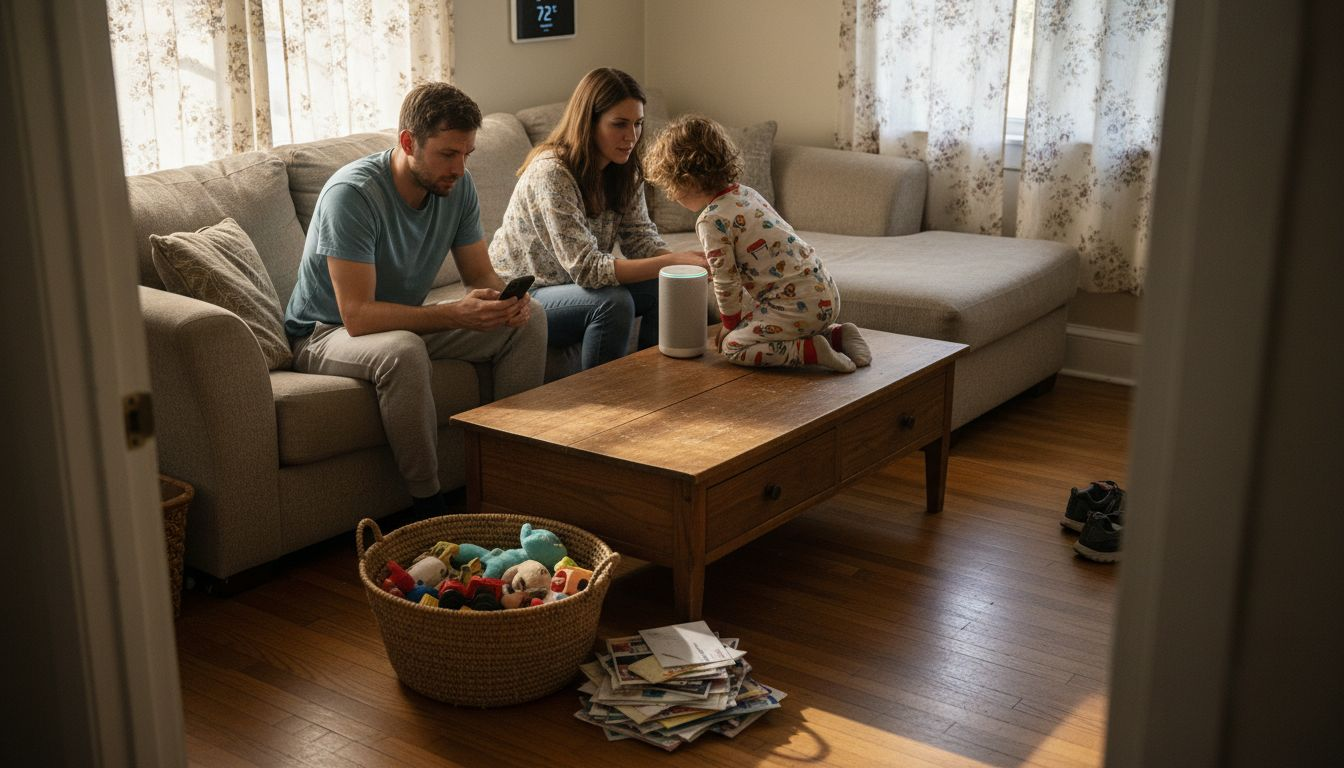
More than 68 million American households now own at least one smart device, reflecting a surge in connected living. For tech-savvy homeowners, upgrading to an integrated home network is about far more than adding gadgets. Today’s solutions promise seamless security and unmatched convenience. This guide clears up what a connected home truly means, exposes widespread myths, and helps you make practical decisions as you modernize your space.
Table of Contents
- Connected Home Defined And Common Myths
- Main Types Of Smart Home Systems
- Key Features: Security, Efficiency, Control
- Real-World Applications For Homeowners
- Upfront Costs, Long-Term Savings, Risks
- Troubleshooting And Avoiding Common Pitfalls
Key Takeaways
| Point | Details |
|---|---|
| Connected Home Concept | A connected home is an integrated ecosystem, enhancing living experiences through smart device interconnectivity. |
| Myth Busting | Connected home solutions are now affordable and user-friendly, debunking the belief that they are only for tech enthusiasts. |
| Core Features | Key features of smart homes include enhanced security, efficiency in energy management, and precise control over home environments. |
| Financial Considerations | While initial costs can be high, smart home systems often lead to long-term savings through reduced utility bills and potential insurance discounts. |
Connected Home Defined and Common Myths
Imagine a home that works for you. A connected home represents more than just a collection of smart devices – it’s an integrated ecosystem where technology seamlessly works together to enhance your living experience. Experts define a connected home as a sophisticated network enabling interconnection and interoperability across multiple devices, services, and applications spanning communications, entertainment, security, and home automation.
Contrary to popular belief, a connected home isn’t simply about having the latest gadgets. It’s a carefully orchestrated system where devices communicate intelligently, providing real-time, contextual experiences for household inhabitants. The technology allows remote monitoring and control, transforming how we interact with our living spaces. These systems integrate networking, media, security, energy management, and even healthcare technologies into a unified platform.
Several persistent myths often misrepresent connected home technology. Some people believe it’s prohibitively expensive or only for tech enthusiasts. In reality, connected home solutions have become increasingly affordable and user-friendly. Another common misconception is that these systems are complicated to set up and manage. Modern connected home platforms prioritize intuitive design, making installation and operation straightforward for average homeowners.
The core purpose of a connected home goes beyond convenience – it’s about creating a responsive, efficient environment that adapts to your lifestyle. By integrating sensors, smart devices, and intelligent platforms, these systems can optimize energy consumption, enhance security, and provide unprecedented control over your home’s functionality.
Pro tip: Start your connected home journey by selecting a single, versatile smart device that addresses an immediate need, like a smart thermostat or security camera, to understand the ecosystem without overwhelming yourself.
Main Types of Smart Home Systems
Smart home technologies have evolved into a diverse ecosystem of interconnected systems, each designed to enhance different aspects of home living. Researchers have identified multiple categories of smart home technologies that span a comprehensive range of functionalities, from basic connectivity to advanced automation.
The primary types of smart home systems can be categorized into several key areas:
- Security Systems: Encompassing smart cameras, doorbell cameras, motion sensors, and integrated alarm networks
- Energy Management Systems: Smart thermostats, power monitoring devices, and automated lighting controls
- Entertainment Systems: Networked audio/video devices, smart speakers, and integrated media platforms
- Home Automation Systems: Platforms that control multiple device interactions, including voice-activated assistants and centralized control interfaces
- Health and Wellness Systems: Remote monitoring devices, air quality sensors, and integrated health tracking technologies
These systems are distinguished not just by their individual capabilities, but by their communication protocols. The European Commission’s research highlights the complexity of networking technologies used to connect devices, including Wi-Fi, Zigbee, Z-Wave, and proprietary communication standards. This technological diversity allows homeowners to create customized ecosystems that suit their specific needs and preferences.
Modern smart home systems are not one-size-fits-all solutions but rather flexible platforms that can be tailored to individual lifestyles. The sophistication ranges from simple connected devices to fully integrated, intelligent home environments that can learn and adapt to residents’ behaviors and preferences.
Here’s a summary comparing the main smart home system types and their core benefits:
| System Type | Main Function | Typical Benefit |
|---|---|---|
| Security | Home safety | Enhanced protection |
| Energy Management | Utility monitoring | Lower utility costs |
| Entertainment | Media integration | Improved user experience |
| Home Automation | Device coordination | Increased convenience |
| Health & Wellness | Health tracking | Personalized support |
Pro tip: When exploring smart home systems, start by identifying your primary needs and choose compatible devices that can potentially integrate with a broader ecosystem in the future.
Benefits of a Smart Home Include These Key Features: Security, Efficiency, Control
Smart home technologies have revolutionized home management by offering three critical features that transform how we interact with our living spaces: security, efficiency, and control. Advanced home security technologies now integrate sophisticated surveillance and monitoring systems that provide homeowners with unprecedented protection and peace of mind.
The security dimension of smart homes goes far beyond traditional alarm systems. Modern solutions include:
- Smart cameras with real-time video streaming
- Motion sensors that distinguish between routine movements and potential threats
- Remote locking mechanisms for doors and windows
- Instant mobile alerts for suspicious activities
- Integration with local emergency services
Efficiency represents another cornerstone of smart home technology. Responsible technology adoption emphasizes energy management and user-friendly interfaces that help homeowners reduce waste and optimize resource consumption. Smart thermostats can learn household patterns, automatically adjusting temperature to minimize energy expenditure. Automated lighting systems detect occupancy and natural light levels, ensuring electricity is used only when necessary.

Control is the final critical feature, empowering homeowners to manage their environment with unprecedented precision. Through centralized smartphone applications or voice-activated assistants, residents can monitor and adjust multiple home systems simultaneously. This level of control extends beyond convenience, offering genuine flexibility in managing home environments, security protocols, and energy consumption.
Pro tip: When selecting smart home technologies, prioritize systems with robust integration capabilities that allow seamless communication between different devices and platforms.
Real-World Applications for Homeowners
Smart home technologies offer transformative solutions that address real-world challenges faced by homeowners, providing practical benefits across multiple aspects of daily living. These integrated systems go beyond mere technological novelty, delivering tangible improvements in safety, comfort, and efficiency.
In the realm of home security, smart technologies provide comprehensive protection strategies:
- Advanced Surveillance: Real-time camera monitoring with instant mobile alerts
- Remote Access Control: Smart locks and entry systems manageable from smartphones
- Comprehensive Monitoring: Integrated sensors detecting unusual activities or potential security breaches
Energy management represents another critical application. Smart home systems enable precise control over resource consumption through intelligent monitoring. Smart thermostats learn household temperature preferences, automatically adjusting settings to minimize energy waste. Automated lighting systems detect room occupancy, ensuring electricity is used only when necessary, potentially reducing monthly utility expenses by 20-30%.
Interconnected home ecosystems now adapt to individual lifestyle needs, offering personalized experiences that extend beyond traditional home automation. For individuals with mobility challenges, voice-activated systems provide enhanced independence, allowing control of lighting, temperature, and entertainment systems without physical interaction. Parents can remotely monitor children’s activities, while elderly residents benefit from fall detection and emergency response integrations.

Pro tip: Begin your smart home journey by selecting one multipurpose device that addresses your most pressing household need, ensuring compatibility with future expansion.
Upfront Costs, Long-Term Savings, Risks
Smart home technology investments require careful financial consideration, balancing initial expenses against potential long-term benefits. Homeowners must navigate a complex landscape of technological opportunities and economic challenges when contemplating smart home integration.
Upfront costs for smart home systems can be substantial, typically ranging from $500 to $3,000 depending on system complexity:
- Basic Systems: $500-$1,000 (2-3 connected devices)
- Intermediate Systems: $1,000-$2,000 (comprehensive security and automation)
- Advanced Integrated Systems: $2,000-$3,000 (whole-home solutions)
Technological adoption involves evaluating financial barriers and potential risk mitigation strategies, with long-term savings potential offsetting initial investments. Energy management systems can reduce utility expenses by 15-30% annually, while automated security systems may lower insurance premiums by 5-20%. Potential risks include data privacy vulnerabilities, technological obsolescence, and potential system integration challenges.
Key financial considerations extend beyond direct monetary investments. Homeowners must factor in ongoing maintenance costs, potential system upgrades, and the technological ecosystem’s compatibility. Privacy risks require robust security measures, potentially necessitating additional investments in cybersecurity protection and regular system updates.
The table below outlines common risks of smart home adoption, along with suggested mitigation actions:
| Risk Type | Example Scenario | Mitigation Strategy |
|---|---|---|
| Privacy | Data leaks via cloud storage | Use strong encryption, regular audits |
| Obsolescence | Devices no longer supported | Choose brands with update policies |
| Integration | Incompatibility between devices | Select systems with open standards |
| Financial | Unplanned upgrade expenses | Opt for modular, upgradeable setups |
Pro tip: Prioritize modular smart home systems that allow gradual expansion and provide clear upgrade paths to minimize future replacement costs.
Troubleshooting and Avoiding Common Pitfalls
Smart home technology troubleshooting requires a systematic and strategic approach to address potential connectivity, compatibility, and performance challenges. Understanding common issues and their root causes can help homeowners minimize disruptions and maintain a smoothly functioning smart home ecosystem.
Common smart home system pitfalls include:
- Connectivity Problems: Weak Wi-Fi signals, network interference
- Compatibility Issues: Devices from different manufacturers not communicating effectively
- Software Conflicts: Outdated firmware or application versions
- Power Management Challenges: Inconsistent power supply or battery-related failures
- Configuration Errors: Incorrect initial setup or network configuration
Troubleshooting strategies involve methodical diagnostic steps. Start by verifying basic network infrastructure, ensuring robust and consistent internet connectivity. Check device firmware versions and update them regularly to address potential software conflicts. When compatibility issues emerge, prioritize devices with standardized communication protocols like Zigbee or Matter, which enhance inter-device communication and reduce integration challenges.
Preventative measures are crucial in maintaining a reliable smart home system. This includes selecting devices from manufacturers with strong ecosystem support, maintaining a centralized management platform, and regularly performing system audits. Homeowners should create a comprehensive device inventory, track firmware versions, and establish a routine maintenance schedule to proactively identify and resolve potential technical issues before they escalate.
Pro tip: Create a dedicated network segment for smart home devices to isolate potential security risks and improve overall system performance.
Unlock the Full Potential of Your Connected Home Today
Start building your connected home today and experience exciting benefits like enhanced security, meaningful savings, and unmatched comfort. The challenge lies in selecting the right devices and creating a seamless, integrated ecosystem that truly adapts to your lifestyle. If you have ever felt overwhelmed by complicated setups, confusing compatibility issues, or were unsure how to optimize your smart home system for maximum efficiency and control this is the solution you need.
Smart Home HQ guides you through these exact challenges with trusted reviews, detailed comparisons, and real-world usage insights. Learn how to prioritize security features, energy management, and home automation with easy-to-follow guides designed to simplify your journey. Whether you are starting with a smart thermostat or expanding to a fully integrated system, our expert tips help you avoid common pitfalls and maximize long-term savings.

Take the next step now and transform your living space into a truly connected home. Explore our comprehensive resources at Smart Home HQ and discover how to build your smart home with confidence and clarity. Begin earning peace of mind and energy efficiency today by visiting Start Your Smart Home Journey and empower your home to work smarter for you.
Frequently Asked Questions
What are the main benefits of building a connected home?
A connected home enhances security, improves energy efficiency, and increases overall comfort for residents. It enables better control over home automation and monitoring, providing peace of mind and convenience.
How do smart home technologies improve security?
Smart home technologies enhance security through features like real-time video surveillance, motion sensors, remote access control, and instant alerts for suspicious activities. These systems provide comprehensive monitoring options that traditional setups do not offer.
Can smart home systems help save on energy costs?
Yes, smart home systems, especially energy management solutions like smart thermostats and automated lighting controls, can help reduce utility costs by 15-30% annually by optimizing energy consumption based on usage patterns.
What should I consider when starting my connected home journey?
Begin by identifying your primary needs, such as security or energy management, and selecting a versatile smart device to address that need. Ensure compatibility with future devices to create an integrated ecosystem progressively.
Recommended
Related Links