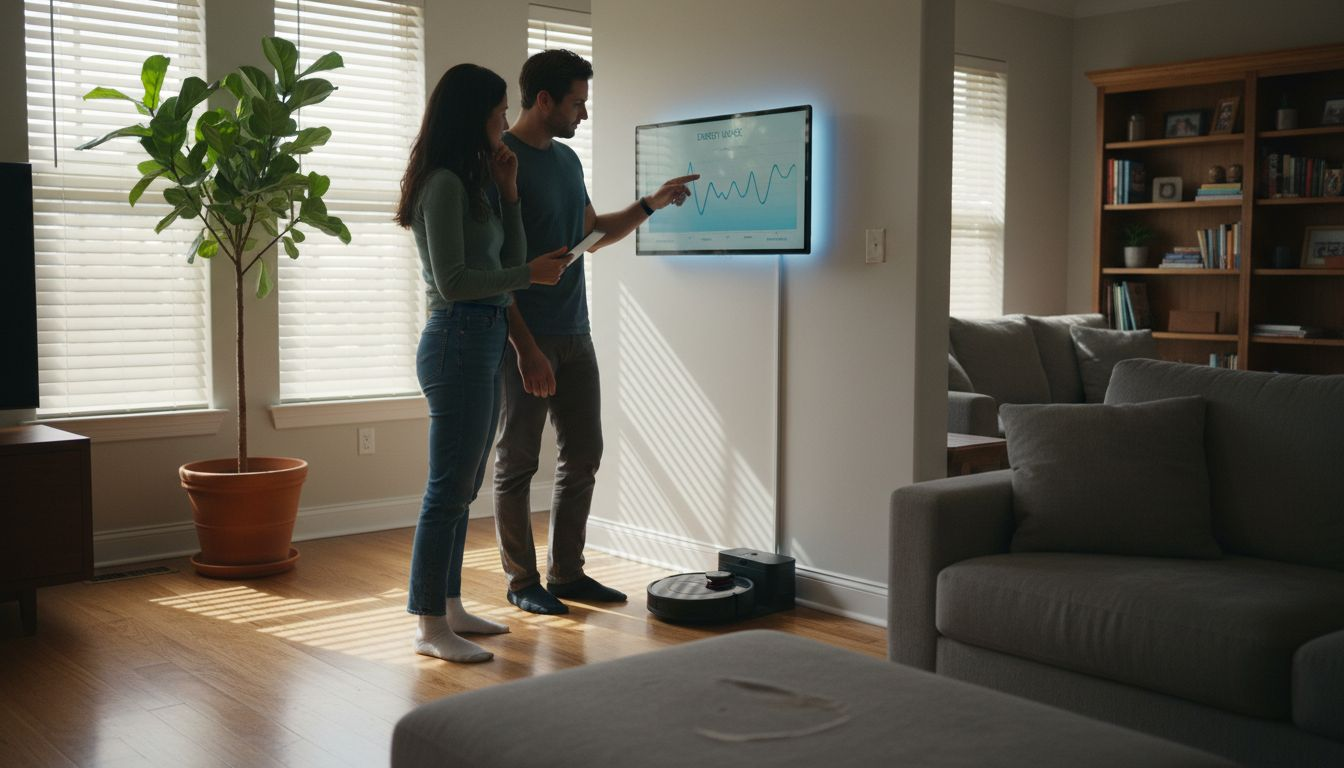
City living often means watching your utility bills climb with every season, especially as heating, cooling, and electronic devices compete for attention in your energy-saving smart home guide. For urban homeowners, understanding and managing energy use is more than a green choice—it is a direct path to saving money and simplifying daily routines. With smart home technologies that help track electricity use, promote compatibility, and automate comfort, this guide shows you how to build an efficient, budget-friendly system tailored to your lifestyle.
Table of Contents
- Step 1: Assess Your Home’s Current Energy Usage
- Step 2: Choose Compatible Smart Home Devices Strategically
- Step 3: Install and Integrate Key Energy-Saving Devices
- Step 4: Configure Automation and Optimize Settings
- Step 5: Monitor Results and Adjust for Maximum Savings
Quick Summary | Energy-saving Smart Home Guide
| Key Insight | Explanation |
|---|---|
| 1. Assess your energy usage | Gather data on electricity consumption to identify waste and target areas for reduction. |
| 2. Choose compatible smart devices | Select devices that work well together to create an energy-efficient smart home ecosystem. |
| 3. Install critical energy-saving devices | Prioritize integration of key devices like smart thermostats and lighting for better efficiency. |
| 4. Configure automation settings | Set automation rules to intelligently minimize energy consumption without sacrificing comfort. |
| 5. Monitor and adjust consumption | Regularly track energy use and adjust settings to continually improve savings and efficiency. |
Step 1: Assess Your Home’s Current Energy Usage
To create an energy-efficient smart home, your first task is understanding exactly how much electricity your household consumes. By thoroughly assessing your current energy usage, you’ll identify waste and develop targeted strategies for reducing consumption and cutting costs.
Begin by gathering detailed information about your energy consumption. The U.S. Department of Energy recommends examining electricity usage monitors to track individual appliance and overall household energy patterns. You can accomplish this through several methods:
- Review your monthly utility bills
- Use a whole-home energy monitor
- Check Energy Guide labels on major appliances
- Conduct a manual inventory of device electricity consumption
To calculate your home’s total energy usage, collect at least 12 months of utility bills. This comprehensive approach helps you understand seasonal variations and identify consistent energy-consuming patterns. Pay special attention to peak usage months and major electricity-drawing systems like heating, cooling, and water heating.
Create a detailed spreadsheet tracking monthly kilowatt-hour (kWh) consumption. Note the total cost, usage patterns, and any significant fluctuations. This documentation becomes your baseline for measuring future energy-saving improvements.

Pro Tip: Consider scheduling an official home energy audit with a professional technician to get the most accurate and comprehensive assessment of your home’s energy performance.
Step 2: Choose Compatible Smart Home Devices Strategically
Selecting the right smart home devices isn’t just about buying the latest technology – it’s about creating a seamless, energy-efficient ecosystem that works harmoniously in your home. Strategic device selection can dramatically reduce your energy consumption and enhance your overall smart home experience.
Start by understanding the critical importance of device compatibility. Strategic integration of smart home technologies requires careful consideration of your existing home infrastructure. Focus on devices that communicate effectively and can work together across different systems. Consider these key factors:
- Wireless communication protocols (Zigbee, Z-Wave, WiFi)
- Centralized smart home platforms
- Energy consumption ratings
- Scalability and future upgrade potential
Prioritize devices that offer comprehensive energy management capabilities. Smart thermostats, intelligent lighting systems, and automated power strips can provide significant efficiency gains. Look for devices with real-time energy monitoring features that allow you to track and adjust consumption patterns.
Compatibility isn’t just about technology – it’s about creating a unified, efficient home ecosystem that adapts to your lifestyle and saves energy.
When evaluating potential devices, check their integration capabilities with major smart home platforms like Amazon Alexa, Google Home, or Apple HomeKit. This ensures your devices can communicate seamlessly and provide centralized control.
Pro Tip: Before purchasing any smart home device, verify its compatibility with your existing systems and check for firmware update frequency to ensure long-term performance and security.
Step 3: Install and Integrate Key Energy-Saving Devices | Energy-saving Smart Home Guide
Transforming your home into an energy-efficient smart ecosystem requires strategic installation and thoughtful integration of intelligent devices. This step is about creating a synchronized network that intelligently manages your home’s energy consumption while maximizing comfort and convenience.

Smart home energy management systems offer incredible opportunities to reduce waste and optimize your household’s power usage. Focus on installing these critical energy-saving devices:
Here’s a summary of common smart home device types and their direct impact on home energy efficiency:
| Device Type | Main Function | Energy Efficiency Impact |
|---|---|---|
| Smart Thermostat | Automated climate control | Reduces HVAC energy use |
| Smart Lighting | Adaptive indoor/outdoor lighting | Cuts lighting power consumption |
| Smart Power Strip | Eliminates standby power | Prevents wasted electricity |
| Window/Door Sensor | Monitors entry points for heat loss | Improves insulation efficiency |
| Solar Shading System | Adjusts shade for passive cooling | Lowers cooling and heating costs |
- Smart thermostats for precise temperature control
- Automated lighting systems with occupancy sensors
- Smart power strips that eliminate standby energy consumption
- Window and door sensors to monitor heat loss
- Solar shading controls for passive temperature regulation
When installing these devices, prioritize comprehensive system compatibility. Ensure each device can communicate seamlessly through a central platform like Google Home, Amazon Alexa, or Apple HomeKit. This allows for coordinated energy management and creates a truly intelligent home environment.
Successful smart home integration isn’t about individual devices, but about creating a unified system that thinks and adapts together.
Carefully map out your home’s energy zones and identify strategic placement for sensors and control units. Consider factors like room usage patterns, natural light exposure, and existing electrical infrastructure to maximize device effectiveness.
Pro Tip: Invest in a professional installation consultation to ensure optimal device placement and configuration, which can improve energy savings by up to 30 percent.
Step 4: Configure Automation and Optimize Settings | Energy-saving Smart Home Guide
Configuring your smart home devices is the critical step that transforms disconnected gadgets into an intelligent, energy-saving ecosystem. Your goal is to create automated rules and settings that minimize energy consumption without sacrificing comfort or convenience.
Programmable thermostats offer significant energy savings by intelligently adjusting temperature based on your lifestyle. Begin by establishing strategic automation rules that align with your daily routines:
- Create temperature schedules for different times of day
- Set automatic setback temperatures during sleeping or away hours
- Configure device interactions across different smart home platforms
- Enable weather-based adjustments for heating and cooling
- Implement occupancy-sensing automations
Focus on developing comprehensive automation scenes that coordinate multiple devices. For example, create a “leaving home” scene that automatically adjusts thermostats, turns off unnecessary lights, and shifts electronics to low-power modes. These coordinated actions can dramatically reduce unnecessary energy consumption.
Smart home automation is about creating intelligent systems that adapt to your lifestyle while minimizing energy waste.
Communicate between devices using standardized protocols like Zigbee or Z-Wave to ensure seamless interaction. Test and refine your automation rules regularly to maintain optimal performance and energy efficiency.
Pro Tip: Review and update your smart home automation settings quarterly to reflect seasonal changes and evolving household patterns.
Step 5: Monitor Results and Adjust for Maximum Savings | Energy-saving Smart Home Guide
Transforming your smart home into an energy-efficient powerhouse requires continuous monitoring and strategic adjustments. By tracking your energy consumption meticulously, you’ll uncover opportunities to optimize performance and maximize cost savings.
Smart meters generate detailed energy insights that help homeowners make informed decisions about their electricity usage. Implement these comprehensive monitoring strategies:
- Track monthly energy consumption patterns
- Identify high-consumption devices and times
- Compare current usage against baseline measurements
- Use real-time energy monitoring dashboards
- Calculate potential cost savings from adjustments
Utilize your smart home platform’s analytics tools to generate comprehensive reports. These insights will help you understand which automation rules and device settings are most effective in reducing energy waste. Pay special attention to seasonal variations and adjust your smart home configurations accordingly.
Effective energy management is a continuous process of observation, analysis, and strategic refinement.
Create a quarterly energy review where you analyze consumption trends, validate automation effectiveness, and make data-driven adjustments to your smart home system. This proactive approach ensures you’re always moving toward maximum efficiency.
To help you monitor your progress, compare these key metrics to review your smart home’s improvement over time:
| Metric | Baseline Measurement | Post-Implementation Goal |
|---|---|---|
| Monthly kWh Usage | 12-month average | Decrease of 10% or more |
| Utility Cost | Original bill amount | Noticeable reduction quarterly |
| Peak Usage Months | Highest past consumption | Flattened consumption curve |
| High-Usage Devices | Identified by audit | Reduced runtime or energy draw |
Pro Tip: Set up automated monthly energy reports that highlight your consumption trends and potential savings opportunities, allowing for quick and informed decision-making.
Unlock Maximum Energy Efficiency with Expert Smart Home Guidance
If you are ready to overcome the challenge of high energy consumption and costly utility bills then developing a truly energy-saving smart home is key. This guide highlighted important concepts such as strategic device selection and automation configuration that can transform your household into an efficient ecosystem. However the journey does not end here. To fully harness real savings and comfort you need detailed insights and expert-tested recommendations tailored for homeowners and tech enthusiasts alike.

Take control now by exploring The Complete Smart Home Automation Master Guide Archives – Smart Home HQ which offers comprehensive step-by-step guides for easy setup and system integration. Discover smart devices that fit your energy goals in our Smart Appliances Archives – Smart Home HQ and stay proactive about safety with tips from Smart Home Safety Archives – Smart Home HQ. Visit Smart Home HQ today to access trusted reviews, real-world insights, and your pathway toward smarter energy management so you can start saving immediately.
Frequently Asked Questions | Energy-saving Smart Home Guide
How can I assess my home’s current energy usage?
To assess your home’s energy usage, gather at least 12 months of utility bills and create a detailed spreadsheet to track monthly kilowatt-hour (kWh) consumption. Additionally, consider using energy monitors to identify high-consuming appliances and regularly review your usage for patterns.
What smart home devices should I consider for maximizing energy efficiency?
Focus on selecting smart devices that are compatible with one another and can work together. Key devices include smart thermostats, automated lighting systems, and smart power strips, all of which can help reduce energy consumption by allowing for real-time monitoring and automation.
How do I install and integrate my energy-saving devices?
Begin by strategically placing devices throughout your home while ensuring they are compatible with a centralized smart home platform. A professional installation consultation can enhance performance and maximize efficiency, yielding energy savings of up to 30%.
What automation settings should I configure for my smart home devices?
Set up automation rules such as temperature schedules and occupancy-triggered actions to reduce energy waste. For instance, create a “leaving home” scene that adjusts your thermostat and turns off unnecessary lights, helping to decrease energy use effectively.
How can I monitor my energy savings after setting up smart devices?
Regularly track your energy consumption using monitoring tools available on your smart home platform. Perform a quarterly energy review to analyze usage trends and identify areas where you can make further adjustments to maximize your savings, aiming for a reduction of at least 10% in overall monthly kWh usage.
What should I do if my energy consumption doesn’t improve?
If you notice that your energy consumption hasn’t improved, revisit your automation settings and device integration to ensure optimal configurations. Consider scheduling a follow-up home energy audit to identify any overlooked areas where additional improvements can be made.
Recommended
- Why Use Smart Thermostats for Energy Savings
- Best Home Energy Monitor: Real Savings Guide & Reviews
- Examples of Home Automation for Easy Smart Living
- Why Upgrade Home Lighting: Energy, Safety, and Smart Control