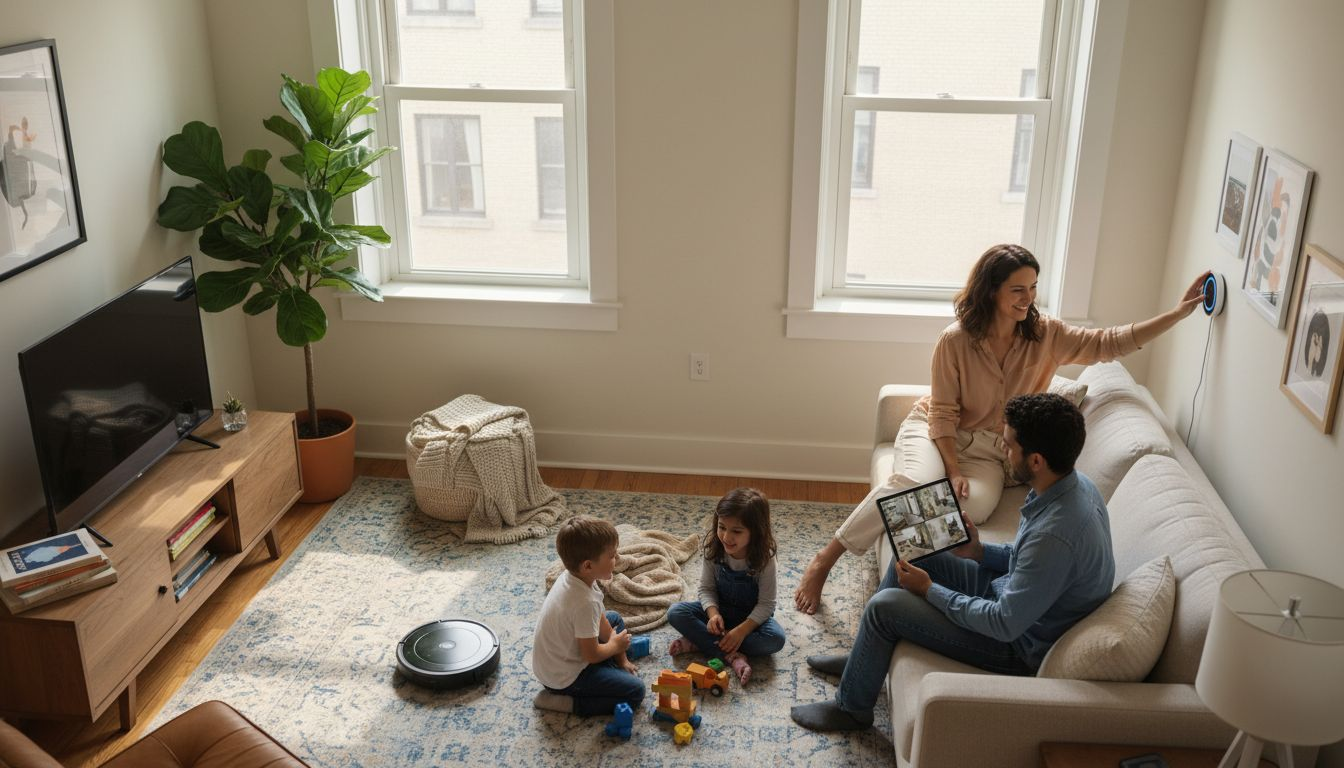
Finding reliable smart home technology can feel confusing when so many devices promise convenience but deliver headaches instead. With advances in digital systems like artificial intelligence and the Internet of Things, homes across North America are turning into connected ecosystems that support safety and comfort. This guide clears up common myths and breaks down complex choices, making it simple to pick trusted solutions that fit your needs and budget.
Table of Contents
- Defining Smart Home Technology and Common Myths
- Major Device Types and System Categories
- How Smart Home Systems Work Together
- Benefits for Convenience, Security, and Efficiency
- Privacy, Security, and Cost Considerations
Key Takeaways
| Point | Details |
|---|---|
| Smart Home Technology Accessibility | Smart home devices are now affordable and user-friendly, making them suitable for a broad range of consumers, not just tech enthusiasts. |
| Diverse Device Categories | Various smart devices including security systems, climate control, and kitchen appliances enhance convenience, security, and efficiency in homes. |
| Interconnected Ecosystem | Smart home systems operate through standardized communication protocols, allowing seamless integration and automation of multiple devices. |
| Privacy and Security Vigilance | Users must remain aware of privacy and security risks associated with smart home technology and implement strong mitigation strategies to protect their personal data. |
Defining Smart Home Technology and Common Myths
Smart home technology represents a revolutionary approach to transforming residential spaces into interconnected, intelligent environments. At its core, a smart home integrates internet-connected devices that can communicate, automate tasks, and be remotely controlled through mobile applications or centralized systems. Interconnected digital technologies are creating ecosystems where homes become responsive, adaptive living spaces.
Contrary to popular misconceptions, smart home technology is not exclusively for tech enthusiasts or prohibitively expensive. Modern smart home solutions range from basic single-device integrations to comprehensive whole-home automation systems. Devices can control lighting, temperature, security, entertainment, and energy management through intuitive interfaces. Smart home devices have become increasingly affordable and user-friendly, enabling widespread adoption across different demographic groups.
Key characteristics of smart home technology include:
- Interconnectivity between devices
- Remote access and control
- Automated task execution
- Energy efficiency
- Enhanced security features
- Personalized user experiences
Pro tip: Start your smart home journey with one or two compatible devices to understand the ecosystem without overwhelming yourself with complex installations.
Major Device Types and System Categories
Smart home technologies have evolved into a comprehensive ecosystem with multiple interconnected device categories. These systems range from basic single-function devices to sophisticated, fully integrated home management platforms that communicate and coordinate across different technological domains.
The primary smart home device categories include:
- Security Systems: Smart locks, cameras, motion sensors, doorbell cameras
- Climate Control: Smart thermostats, window sensors, automated HVAC controls
- Lighting: Programmable LED bulbs, motion-activated lights, color-changing fixtures
- Entertainment: Smart TVs, voice-controlled speakers, audio streaming systems
- Energy Management: Power monitoring devices, smart plugs, solar integration systems
- Kitchen Appliances: Connected refrigerators, smart ovens, automated coffee makers
- Home Assistance: Voice-activated AI assistants, centralized control hubs
Each device category offers unique benefits, transforming traditional home environments into responsive, intelligent living spaces. These technologies enable homeowners to enhance comfort, improve energy efficiency, and create personalized living experiences through seamless digital integration.

Here’s a comparison of major smart home device categories and the types of value they typically bring:
| Device Category | Typical User Benefit | Business Impact |
|---|---|---|
| Security Systems | Enhanced safety | Reduced insurance risk |
| Climate Control | Comfort and savings | Lower utility costs |
| Lighting | Convenience and ambiance | Energy conservation |
| Entertainment | Streamlined media access | Improved user engagement |
| Kitchen Appliances | Automated meal prep | Higher home resale value |
| Home Assistance | Hands-free operation | Increased product loyalty |
Pro tip: Choose smart home devices that are compatible with a universal communication protocol like Zigbee or Matter to ensure smooth system integration and future expandability.
How Smart Home Systems Work Together
Smart home technologies operate through intricate interconnected communication ecosystems that enable devices to interact seamlessly across multiple platforms. These systems utilize standardized communication protocols that allow different devices from various manufacturers to exchange information, creating a unified and responsive home environment.
The core mechanism of smart home integration involves several key components:
- Central Control Hub: Acts as the primary communication coordinator
- Communication Protocols: Standardized languages like Zigbee, Z-Wave, and Matter
- Cloud Platforms: Enable remote access and data synchronization
- Rule Engines: Manage automation and device interactions
- Machine Learning Algorithms: Adapt and optimize system performance
Automation in smart home systems occurs through sophisticated layered architectural frameworks that translate user preferences into specific device actions. These frameworks allow complex interactions, such as automatically adjusting temperature when security systems detect you’ve arrived home, or dimming lights based on time of day and ambient conditions.

Pro tip: Prioritize smart home devices with universal compatibility protocols to ensure smoother system integration and future scalability.
Benefits for Convenience, Security, and Efficiency
Smart home technologies deliver transformative advantages across multiple dimensions, with significant improvements in energy efficiency and quality of life. These systems go beyond simple automation, offering comprehensive solutions that enhance daily living through intelligent monitoring, control, and responsive technological integration.
Key benefits encompass three primary domains:
- Convenience:
- Remote device control via smartphone apps
- Automated routine management
- Personalized home environment settings
- Security:
- Real-time surveillance monitoring
- Advanced access control systems
- Instant emergency notifications
- Efficiency:
- Optimized energy consumption
- Predictive maintenance alerts
- Cost-saving automated adjustments
Specifically for vulnerable populations, smart home technologies offer remarkable advantages. Smart health monitoring systems provide unprecedented support for older adults, enabling independent living through continuous health tracking and immediate emergency response capabilities. These innovations transform homes into proactive care environments that anticipate and address potential risks before they escalate.
Pro tip: Start with foundational smart home devices that offer clear, immediate benefits like smart thermostats or security cameras to experience tangible improvements in home management.
Privacy, Security, and Cost Considerations
Smart home technologies introduce complex challenges related to privacy and security vulnerabilities that consumers must carefully evaluate. These interconnected devices collect extensive personal data, potentially exposing household information through unsecured network communications and opaque data handling practices.
Key privacy and security considerations include:
- Data Collection Risks:
- Potential unauthorized information gathering
- Tracking of personal behavioral patterns
- Geolocation and device identifier exposure
- Network Vulnerabilities:
- Potential hacking entry points
- Insufficient encryption protocols
- Unprotected communication channels
- Cost Implications:
- Initial device investment
- Potential subscription fees
- Long-term maintenance expenses
Consumer security awareness and mitigation strategies are crucial for managing smart home risks. Most users demonstrate willingness to accept certain technological conveniences, but lack comprehensive understanding of potential security implications. Implementing strong password practices, regularly updating device firmware, and selecting manufacturers with robust security protocols can significantly reduce potential vulnerabilities.
Here’s a summary of smart home privacy, security, and cost concerns with suggested mitigation strategies:
| Concern Type | Common Risk | Recommended Solution |
|---|---|---|
| Privacy | Personal data exposure | Review device privacy settings |
| Network Security | Unsecured connections | Use strong encryption methods |
| Cost | Ongoing subscriptions | Budget for long-term expenses |
Pro tip: Conduct a comprehensive privacy audit of your smart home devices, reviewing each device’s data collection policies and ensuring minimal personal information sharing.
Elevate Your Living with Smart Home Technology Today
Are you ready to overcome the challenges of integrating smart home devices and experience true convenience, enhanced security, and energy savings? This article highlights common pain points like device compatibility, privacy concerns, and the overwhelming choices available to homeowners. At Smart Home HQ, we help you navigate these complexities with expert insights and step-by-step guidance.

Explore our The Complete Smart Home Automation Master Guide Archives – Smart Home HQ to discover tested solutions that simplify setup and integration. Stay informed about protecting your home with trusted advice from Smart Home Safety Archives – Smart Home HQ. Take control of your connected home journey now at Smart Home HQ and turn everyday living into an effortless, intelligent experience.
Frequently Asked Questions
What is smart home technology?
Smart home technology refers to internet-connected devices designed to automate and control household tasks, creating an interconnected and intelligent living environment.
What types of devices are typically included in a smart home system?
Common device categories in smart home systems include security systems, climate control, lighting, entertainment, energy management, kitchen appliances, and home assistance tools.
How do smart home devices communicate with each other?
Smart home devices communicate through standardized protocols like Zigbee, Z-Wave, or Matter, often managed through a central control hub that coordinates their interactions.
What are the primary benefits of using smart home technology?
The primary benefits of smart home technology include improved convenience through remote control, enhanced security with surveillance tools, and increased efficiency by optimizing energy consumption and automating routine tasks.
Recommended
- Why Build a Connected Home: Security, Savings, Comfort
- Why Integrate Smart Devices: Transforming Home Life
- Examples of Home Automation for Easy Smart Living