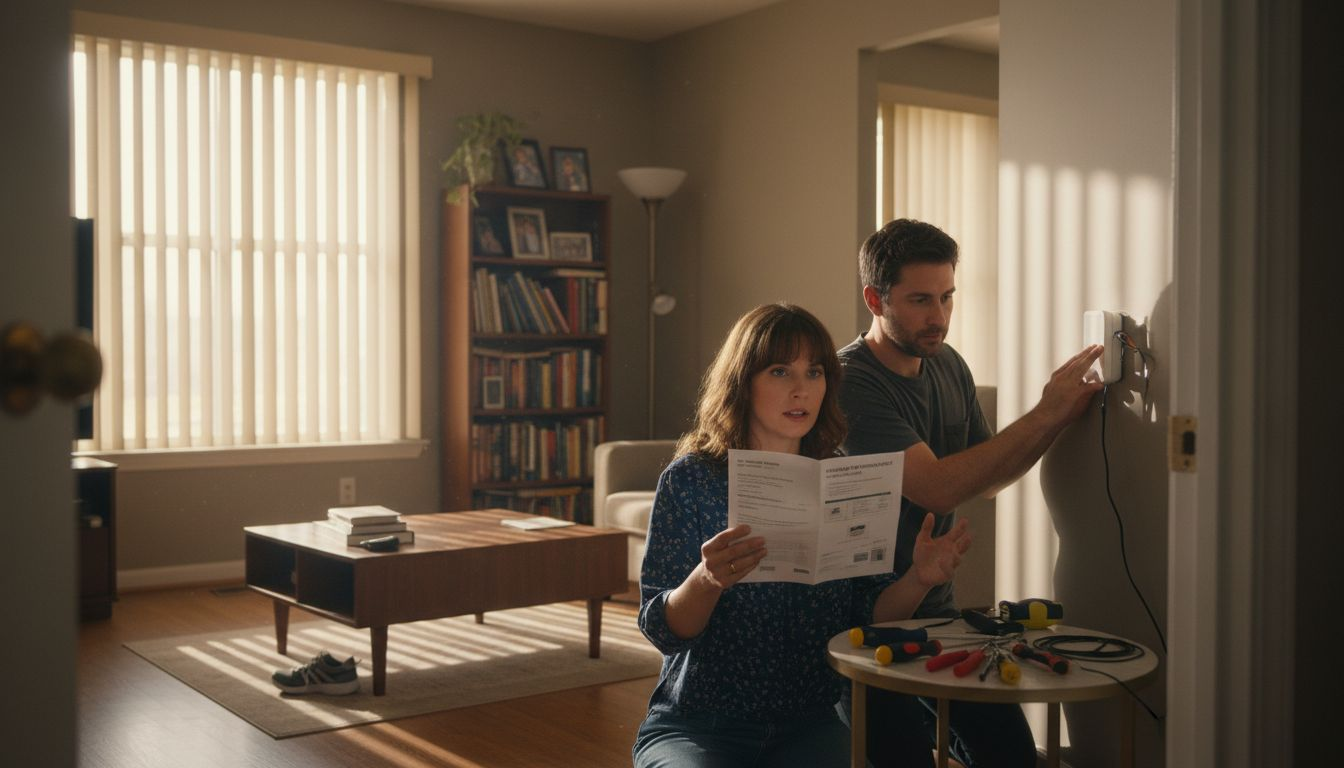
Many homeowners mistakenly believe retrofit automation requires major renovations or appliance replacements. The truth is simpler. Retrofit home automation offers an easier, affordable path to smart homes without tearing down walls. You can upgrade your existing home incrementally using wireless devices that work with what you already own. This article explains retrofit concepts, benefits, technology, and how to start your project without stress or massive investment.
Table of Contents
- Understanding Retrofit Home Automation
- Benefits Of Retrofit Home Automation
- Common Misconceptions About Retrofit Home Automation
- Technological Approaches And Solutions For Retrofitting
- Starting And Implementing A Retrofit Home Automation Project
- Upgrade Your Home With Smart Automation Today
- Frequently Asked Questions About Retrofit Home Automation
Key takeaways
| Point | Details |
|---|---|
| Retrofit definition | Retrofit home automation upgrades existing homes mainly via wireless devices without major rewiring. |
| Core benefits | Benefits include convenience, security, energy savings, and increased property value. |
| Common myths debunked | Misconceptions about retrofit complexity and cost are false; incremental upgrades are practical. |
| Technology approach | Wireless and modular retrofit kits enable phased, affordable smart home integration. |
| Success factors | Planning and device compatibility are key to successful retrofit projects. |
Understanding retrofit home automation
Retrofitting integrates smart technology into existing homes without major rewiring or remodeling. You add intelligence to what you already have rather than starting from scratch.
The approach differs fundamentally from new build automation. New constructions prewire and fully integrate automation systems during building. Retrofitting favors flexibility and minimal disruption, ideal for older homes not designed for smart tech.
Most retrofit systems use wireless communication protocols optimized for this purpose. The majority of retrofit systems utilize wireless protocols such as KNX RF and others tailored for retrofit projects. These protocols eliminate the need to open walls or run new cables.
Modular retrofit kits represent another key approach. They allow automation to be added incrementally while preserving home aesthetics and manual controls. You might start with smart lighting, then add thermostats, then security devices over months or years.
Key retrofit technologies include:
- Wireless hubs that connect devices without hardwiring
- Smart switches that replace standard switches without rewiring
- Plug-in modules that make existing appliances smart
- Battery-powered sensors that stick anywhere
- Voice assistants that control multiple device types
This flexibility makes retrofit automation accessible to any homeowner regardless of home age or construction type. Whether you choose whole home automation vs room by room approaches, retrofit technology adapts to your needs and budget.
Benefits of retrofit home automation
Retrofit smart home upgrades deliver measurable improvements across multiple areas of home life. These benefits justify the investment for most homeowners.
Energy savings rank among the top advantages. Smart thermostats can reduce heating and cooling energy consumption by up to 15% through intelligent scheduling and occupancy detection. That translates to hundreds of dollars saved annually on utility bills.

Security enhancements provide peace of mind. Smart locks and video doorbells enable real-time remote alerts and monitoring, letting you check on your home from anywhere. You see who’s at the door, grant access to visitors, and receive instant notifications of unusual activity.
Convenience improvements transform daily routines. Automated lighting adjusts to your schedule and activities. Smart blinds open with sunrise and close for privacy. Voice commands control multiple devices simultaneously, eliminating the need to walk around adjusting things manually.

The eco-friendly aspect matters too. Retrofitting preserves appliances and reduces electronic waste compared to full replacements. You keep functional devices out of landfills while gaining smart capabilities.
Property value increases represent a financial benefit. Retrofitting can increase property value by 5 to 10%, attracting modern buyers who prioritize smart features. This makes retrofit automation an investment that pays back when you sell.
Key benefits at a glance:
- Lower energy bills through automated climate control
- Enhanced security with remote monitoring capabilities
- Increased convenience via voice and app control
- Reduced environmental impact by reusing existing appliances
- Higher resale value appealing to tech-savvy buyers
These advantages explain why build connected home systems make sense for most homeowners. The benefits of smart home automation extend beyond technology into practical lifestyle improvements.
Common misconceptions about retrofit home automation
Several myths prevent homeowners from exploring retrofit options. Understanding the reality helps you make informed decisions.
The biggest misconception is that retrofitting requires full appliance replacement. Actually, most retrofit solutions add automation modules to existing devices, preserving current appliances and their manual functions. You keep your existing refrigerator, washer, or thermostat and simply add smart control.
Another false belief involves major construction requirements. The truth is that wireless retrofit systems allow smart automation with minimal or no structural changes, avoiding costly construction. You don’t need to open walls, run conduit, or hire electricians for most installations.
Cost concerns also mislead homeowners. Incremental investments let you scale automation affordably over time. Start with one room or system, then expand as budget allows. You’re not locked into a massive upfront expense.
Some worry about losing manual control. Modern retrofit solutions maintain manual overrides, preventing frustration and ensuring accessibility for all users. Light switches still work normally even when automated. Thermostats have physical controls alongside app features.
Security fears deserve attention but shouldn’t stop you. While vulnerabilities exist, proper configurations and software updates protect retrofit smart setups effectively. Following basic security practices makes your system as safe as any other internet-connected device.
Common myths debunked:
- You don’t need new appliances, just smart modules
- Construction stays minimal with wireless solutions
- Costs scale with phased implementation
- Manual controls remain functional alongside automation
- Security risks are manageable with proper setup
Pro Tip: Start your research with smart home technology basics to understand core concepts. Then review network security for smart homes before purchasing devices.
Technological approaches and solutions for retrofitting
Several technical options make retrofit automation practical and reliable. Understanding these helps you choose the right approach.
Wireless protocols dominate retrofit installations. Wireless retrofit systems like KNX RF and Loxone Air improve reliability over typical WiFi for retrofit communications. These purpose-built protocols handle interference better and maintain connections more consistently.
Modular retrofit kits offer another pathway. They enable homeowners to upgrade incrementally and avoid full system overhauls. Each kit adds specific capabilities like lighting control or climate management without requiring other components.
Hybrid approaches combine wired and wireless components for flexible integration in complex homes. You might use wired connections for high-bandwidth devices like security cameras while relying on wireless for sensors and switches.
| Approach | Best For | Key Advantage | Limitation |
|---|---|---|---|
| Wireless protocols | Most retrofit projects | No construction needed | May face interference |
| Modular kits | Phased upgrades | Budget-friendly scaling | Requires compatible devices |
| Hybrid systems | Complex homes | Flexibility and reliability | More planning required |
| Cloud-based | Remote access priority | Control from anywhere | Depends on internet |
Compatibility and integration challenges require careful device selection to ensure ecosystem harmony. Choosing devices from the same platform or with common standards like Zigbee or Z-Wave prevents headaches.
Regular maintenance and firmware updates improve system performance and security. Set reminders to check for updates monthly. Most systems notify you automatically, but manual checks catch anything missed.
Key technology considerations:
- Protocol reliability affects long-term satisfaction
- Modular expansion provides financial flexibility
- Device compatibility determines ecosystem success
- Update discipline maintains security and features
Pro Tip: Check examples of smart home automation to see these technologies in action. The latest smart home devices 2026 showcase current retrofit-friendly options.
For step-by-step guidance, the smart home automation tutorial walks through setup. German speakers can review smart home step-by-step implementation for additional perspectives.
Starting and implementing a retrofit home automation project
Successful retrofit projects follow a structured approach. These steps guide you from planning to optimization.
- Assess your current home systems and identify automation priorities
- Research device compatibility within your chosen ecosystem
- Create a phased implementation plan starting with high-impact areas
- Purchase initial devices and test functionality before expanding
- Install devices following manufacturer instructions carefully
- Configure automation rules and test scenarios thoroughly
- Monitor system performance and adjust settings as needed
Start with a thorough assessment of your home’s current systems and smart automation priorities. Walk through your home noting frustrations and opportunities. Which lights do you forget to turn off? Where would remote monitoring help? What tasks eat up unnecessary time?
Research device compatibility and ecosystems for seamless integration and future scalability. Choose between major platforms like Amazon Alexa, Google Home, or Apple HomeKit based on devices you already own and your preference for voice assistants.
Implement retrofits incrementally, focusing first on high-impact, easy targets like lighting and thermostats. These deliver immediate benefits and build your confidence before tackling complex integrations.
Decide between DIY installation and professional consultation based on project complexity and confidence. Simple devices like smart bulbs require no expertise. Complex whole-home systems might justify professional help.
Continuously monitor and adjust the system to optimize comfort, security, and energy savings over time. Automation improves through refinement. Track what works and what annoys you, then adjust accordingly.
Practical implementation tips:
- Start small with one room or system
- Document your setup for troubleshooting
- Join online communities for advice and solutions
- Keep device packaging and receipts for returns
- Test each addition before buying more
Pro Tip: Follow the DIY smart home integration guide for detailed connection instructions. The smart home implementation roadmap provides a strategic overview for larger projects.
Upgrade your home with smart automation today
You’ve learned how retrofit home automation works and why it makes sense for existing homes. Now it’s time to explore specific products and solutions.

Our platform offers detailed reviews and comparisons of retrofit-friendly devices. Explore the latest smart home devices 2026 to discover what’s new and worth your investment. We test everything thoroughly so you know exactly what you’re getting.
Understand types of smart home devices to build a comprehensive automation strategy. From lighting to security, we cover every category with honest assessments.
Discover smart home items to enhance your life through curated recommendations based on real-world testing. We help you separate genuine innovations from marketing hype.
Frequently asked questions about retrofit home automation
What is the average cost of retrofitting a home with smart automation?
Retrofit costs range from $500 for basic single-room setups to $5,000+ for whole-home systems. Most homeowners spend $1,500 to $3,000 implementing phased automation across key areas like lighting, climate, and security.
Can I use my existing WiFi network for retrofit smart devices?
Yes, most retrofit devices work with standard home WiFi networks. However, you may need to upgrade your router if you have many devices or a large home. A mesh WiFi system often improves reliability for smart home applications.
Are retrofit smart home systems secure from hacking?
Retrofit systems face similar security risks as any internet-connected device, but proper precautions minimize vulnerabilities. Use strong unique passwords, enable two-factor authentication, keep firmware updated, and isolate smart devices on a separate network when possible.
Is it possible for a non-technical homeowner to install retrofit smart devices?
Absolutely. Most retrofit devices are designed for DIY installation with simple plug-and-play or battery-powered designs. Smart bulbs, plugs, and sensors typically install in minutes. Only complex whole-home systems might require professional assistance.
How long does a typical retrofit home automation project take to complete?
Single-device installations take 15 to 30 minutes each. A comprehensive room automation project spans one to two weekends. Whole-home retrofits implemented in phases typically complete over three to six months as budget allows and you learn what works best.
Recommended
- Smart Home Upgrade Workflow: A Step-by-Step Installation Guide
- Why Upgrade Home Lighting: Energy, Safety, and Smart Control
- Why Upgrade Thermostats: Transform Energy Bills Now
- Beginner Smart Home Upgrades Cut Energy Bills 15%