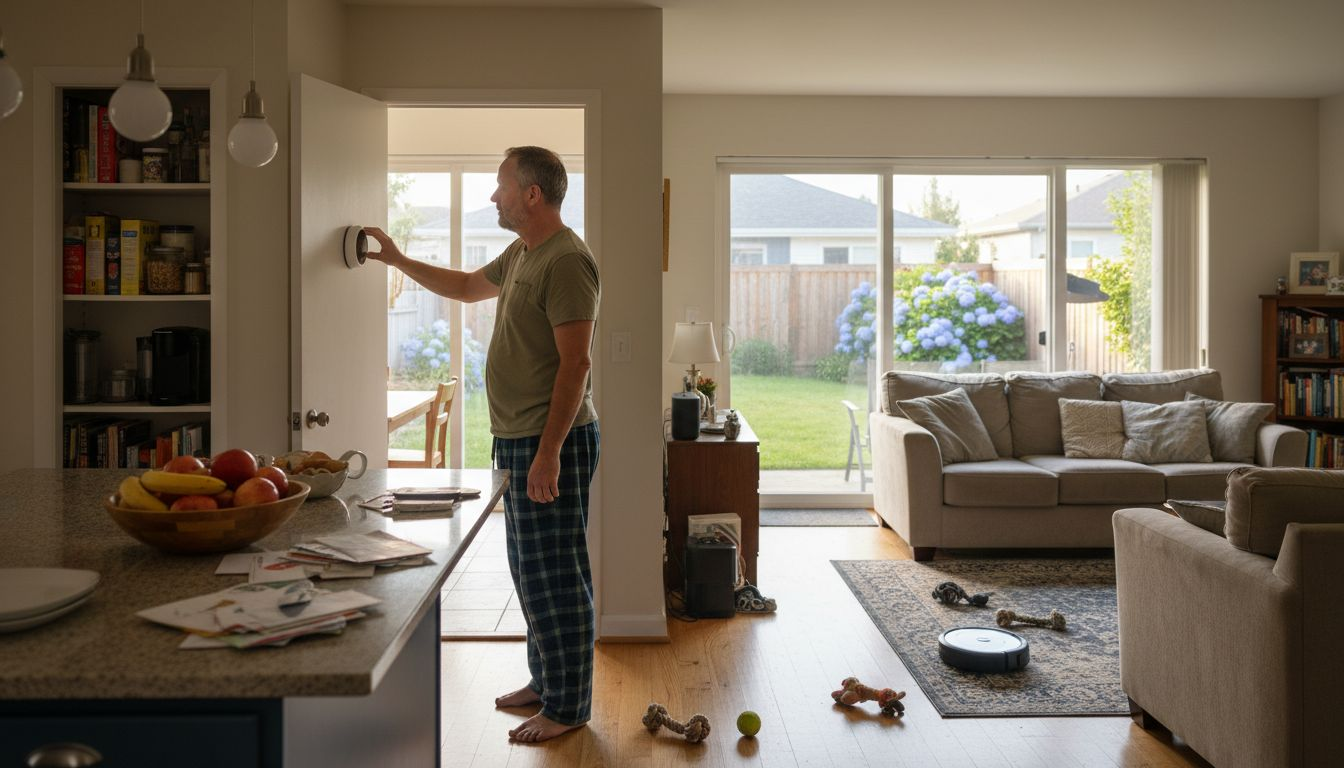
Setting up a smart home can feel overwhelming when you want both security and energy savings. Balancing convenience with safety and efficiency often means sorting through endless product choices and technical jargon. Thankfully, there are clear, actionable steps you can take to make your home smarter and safer while saving energy. The strategies you’ll discover below go beyond theory, offering solutions like automatic lighting control, hands-free voice commands, and remote monitoring that fit seamlessly into your daily life. Get ready to unlock practical insights that will help you create a smart home environment tailored to your needs by trying these examples of smart home automation.
Examples of Smart Home Automation – Table of Contents
- 1. Automating Lighting For Security And Efficiency
- 2. Hands-Free Voice Control With Smart Speakers
- 3. Smart Thermostat Schedules To Save Energy
- 4. Setting Up Automated Door Locks For Safety
- 5. Remote Monitoring With Smart Cameras
- 6. Customized Scenes For Mornings And Evenings
- 7. Integrating Leak Sensors For Home Protection
Examples of Smart Home Automation -Quick Summary
| Key Insight | Explanation |
|---|---|
| 1. Smart Lighting Enhances Security | Automating lighting can simulate presence, deterring intruders and using energy efficiently. |
| 2. Voice Control Increases Accessibility | Smart speakers enable hands-free management of home systems, aiding those with mobility challenges. |
| 3. Smart Thermostats Save Energy | Learning thermostats optimize heating and cooling automatically, reducing energy bills by about 8%. |
| 4. Automated Door Locks Improve Safety | Smart locks provide remote access and secure entry, enhancing home security without physical keys. |
| 5. Leak Sensors Prevent Costly Damage | Early detection of leaks can save homeowners an average of $17,000 in repair costs through proactive alerts. |
1. Automating Lighting for Security and Efficiency
Smart home lighting automation represents a powerful strategy for enhancing both residential security and energy efficiency. By leveraging advanced sensor technologies and intelligent control systems, homeowners can transform their lighting from a basic utility into a sophisticated home management tool.
Modern smart lighting systems go far beyond simple on-off switches. These intelligent networks can automatically detect and respond to occupancy, creating dynamic lighting environments that adapt to your lifestyle and security needs. The core benefits include:
- Automatic presence simulation when you’re away from home
- Energy consumption reduction through intelligent usage patterns
- Enhanced security by creating the illusion of active occupancy
- Customizable lighting scenes for different times of day
The technology works by integrating multiple sensors that track movement, ambient light levels, and time of day. For instance, a smart system might automatically dim lights during daylight hours or gradually increase brightness as evening approaches. Motion-activated lighting can also serve as a powerful deterrent against potential intruders.
Intelligent lighting systems can reduce energy consumption by up to 60% compared to traditional static lighting approaches.
Implementing these systems typically involves installing smart bulbs, wireless switches, and central control hubs that communicate seamlessly. Many modern solutions can be integrated with existing home security systems, creating a comprehensive protective network.
Pro tip: Start by replacing lights in high-traffic areas like entryways and hallways with smart alternatives to maximize both security and efficiency benefits.
2. Hands-Free Voice Control with Smart Speakers
Smart speakers have revolutionized home automation by introducing seamless hands-free voice control that transforms how we interact with our living spaces. These intelligent devices enable you to manage multiple home systems using simple voice commands, creating a more accessible and convenient technological environment.
Modern smart speakers are far more than just audio devices. Voice control systems enable comprehensive home management through intuitive voice assistants that can handle complex tasks with minimal user effort. The range of capabilities includes:
- Controlling smart home devices like lights and thermostats
- Setting timers and reminders
- Playing music and podcasts
- Answering questions and providing information
- Managing security systems
Voice activation technology works by continuously listening for specific wake words that trigger the device’s interactive mode. Once activated, the speaker’s advanced microphone array can distinguish your voice from background noise, allowing precise command recognition.
Voice-controlled smart home systems can increase accessibility for individuals with mobility challenges, offering unprecedented independence.
Implementing voice control requires strategic device placement and understanding each speaker’s specific capabilities. Most smart speakers integrate with popular platforms like Alexa, Google Assistant, and Siri, allowing you to create a unified smart home ecosystem.
Pro tip: Position your smart speaker in a central location with minimal background noise to ensure the most accurate voice command recognition.
3. Smart Thermostat Schedules to Save Energy
Smart thermostats represent a game-changing technology for homeowners seeking to optimize their energy consumption and reduce utility costs. These intelligent devices go beyond traditional temperature control by learning your preferences and automatically adjusting heating and cooling schedules.
ENERGY STAR certified smart thermostats provide significant advantages in home climate management. These sophisticated systems offer multiple energy-saving strategies:
- Adaptive learning of household temperature preferences
- Automatic occupancy detection
- Remote temperature control via smartphone apps
- Precise energy consumption tracking
- Night and away mode temperature adjustments
The core technology behind smart thermostats involves complex algorithms that analyze your daily routines. By understanding when you are home, asleep, or away, these devices can automatically reduce HVAC system runtime without compromising comfort.
Smart thermostats can reduce annual energy consumption by approximately 8% through intelligent scheduling and occupancy sensing.
Implementing a smart thermostat involves more than just installation. You will want to spend initial weeks training the device by manually adjusting temperatures, allowing its machine learning algorithms to understand your specific comfort requirements.
Pro tip: Configure your smart thermostat’s geofencing feature to automatically adjust temperatures based on your smartphone’s location, ensuring optimal energy efficiency with zero manual intervention.
4. Setting Up Automated Door Locks for Safety
Automated door locks represent a critical evolution in home security technology, offering homeowners unprecedented control and protection for their living spaces. These intelligent systems go far beyond traditional mechanical locks by integrating advanced authentication and remote management capabilities.
By implementing automated safety lock systems with multiple authentication methods, homeowners can dramatically enhance their property’s security infrastructure. The key advantages include:
- Wireless remote access control
- Multiple entry authentication methods
- Real-time security alerts
- Temporary digital access credentials
- Comprehensive access logging
Digital authentication transforms how we think about home entry. Instead of carrying physical keys, you can unlock doors using smartphone apps, unique numeric codes, or biometric identifiers like fingerprints. These systems can generate temporary access codes for guests or service providers, which automatically expire after a set timeframe.
Smart locks reduce the risk of unauthorized entry by eliminating vulnerabilities associated with traditional lock-and-key mechanisms.
Successful implementation requires careful planning. Consider factors like compatibility with your existing door hardware, battery life, communication protocols (Bluetooth or Wi-Fi), and integration potential with broader smart home security systems.
Pro tip: Choose a smart lock that offers encryption and supports two-factor authentication to maximize your home’s digital security profile.
5. Remote Monitoring with Smart Cameras
Smart cameras have transformed home security from passive observation to intelligent, proactive monitoring. These advanced devices offer homeowners unprecedented visibility and control over their property’s safety through cutting-edge technology.
AI-enabled surveillance systems provide privacy-preserving monitoring with remarkable capabilities. Modern smart cameras deliver far more than traditional video recording by incorporating sophisticated features:
- Intelligent motion detection
- Real-time smartphone alerts
- Cloud video storage
- Two-way audio communication
- Advanced object and person recognition
Computer vision analytics enable these cameras to distinguish between routine movements and potential security threats. Instead of triggering endless notifications, smart cameras can intelligently filter and prioritize meaningful events, sending alerts only when truly necessary.
Smart cameras transform home security from reactive monitoring to proactive protection.
Successful implementation requires strategic camera placement. Consider critical areas like front and back entrances, driveways, and potential blind spots around your property. Most systems offer seamless smartphone integration, allowing you to monitor your home from anywhere in the world.
Pro tip: Position your smart cameras at slightly elevated angles to maximize field of view and minimize potential tampering.
6. Customized Scenes for Mornings and Evenings
Smart home automation has revolutionized daily routines by creating intelligent environments that adapt seamlessly to your lifestyle. Customized scenes transform your living space from a static environment into a dynamic, responsive ecosystem that anticipates and supports your daily rhythms.
Personalized smart home frameworks use machine learning to predict and automate your daily activities. These sophisticated systems go beyond simple scheduling by understanding your unique patterns and preferences.
Custom scenes can dramatically enhance your morning and evening experiences by automatically:
- Adjusting lighting to simulate natural sunrise
- Brewing coffee as you wake up
- Setting optimal temperature for sleeping
- Playing motivational music or news briefings
- Gradually dimming lights for evening relaxation
Machine learning algorithms track your behavior over time, creating increasingly personalized experiences. A morning scene might gradually increase kitchen lighting, start your coffee maker, and display your daily calendar, while an evening scene could lower smart blinds, dim lights, and activate home security systems.
Intelligent scenes transform your home from a passive space into an active, supportive environment.
Implementing these scenes requires initial setup and patience as the system learns your preferences. Most smart home platforms allow you to create and refine scenes through smartphone apps, giving you granular control over every detail.
Pro tip: Start by creating basic morning and evening scenes, then gradually refine them based on the system’s performance and your evolving preferences.
7. Integrating Leak Sensors for Home Protection
Water damage represents one of the most insidious and costly risks homeowners face. Smart leak sensors offer an intelligent defense mechanism that can prevent thousands of dollars in potential property damage through early detection and proactive alerts.
Water leak detection methods in smart buildings leverage advanced sensor technologies to provide comprehensive home protection. These sophisticated devices do far more than traditional moisture detection by offering real-time monitoring and intelligent response capabilities.
Leak sensors provide critical protection through multiple innovative features:
- Instant smartphone notifications
- Precise location tracking of water leaks
- Automatic water shutoff capabilities
- Battery-powered wireless monitoring
- Integration with broader smart home systems
Moisture monitoring technology works by placing small sensors near potential water risk areas such as water heaters, washing machines, underneath sinks, and near bathroom fixtures. When these sensors detect unexpected moisture, they immediately trigger alerts, allowing homeowners to respond quickly and prevent extensive water damage.
Early leak detection can save homeowners an average of $17,000 in potential repair costs.
Successful implementation requires strategic sensor placement and selecting systems compatible with your existing smart home infrastructure. Many modern leak detection systems offer modular designs that can be expanded as your home protection needs evolve.
Pro tip: Install leak sensors in areas with highest water damage risk and ensure they have long-lasting batteries with easy replacement options.
Below is a comprehensive table summarizing the key topics and strategies discussed throughout the article on examples of smart home automation solutions.
| Topic | Description | Core Benefits |
|---|---|---|
| Automating Lighting | Smart lighting systems adapt to occupancy and time changes for security and efficiency. | Reduces energy use, simulates presence, and customizes ambiance. |
| Voice Control | Hands-free smart speakers manage home systems via voice commands. | Enhances accessibility and convenience. |
| Smart Thermostats | Thermostats learn user preferences to optimize heating and cooling schedules. | Cuts utility costs and increases comfort. |
| Automated Door Locks | Smart locks offer secure and remote-controlled access through authentication. | Prevents unauthorized entries and provides flexibility. |
| Remote Monitoring | AI-enabled cameras enhance security with intelligent detection and alerts. | Proactively monitors property and deters potential threats. |
| Customized Scenes | Automated scenes adjust home settings based on daily routines. | Improves lifestyle comfort with tailored environments. |
| Leak Sensors | Smart sensors detect water leaks early to prevent damage. | Saves repair costs and avoids property damage risks. |
Take Control of Your Smart Home Journey Today
Struggling to bring together the many smart home automation ideas like automated lighting, voice control, and advanced security? You are not alone. Many homeowners want to save energy, boost security, and simplify daily routines but feel overwhelmed by the technology choices and integration challenges. The good news is you can make confident, informed decisions by exploring trusted resources that break down each device category and offer real-world advice.
The Complete Smart Home Automation Master Guide Archives – Smart Home HQ covers everything from smart thermostats to leak sensors in one comprehensive place.

Empower yourself to create a truly connected home by tapping into tested reviews, expert installation tips, and step-by-step guides available at Smart Home HQ. Jumpstart your journey now—your home deserves smart solutions designed for your lifestyle and security needs. Visit Core Device Categories Archives – Smart Home HQ to explore the essential gadgets that can transform your space today.
Examples of Smart Home Automation -Frequently Asked Questions
How can I automate my home lighting for security?
Automate your home lighting by installing smart bulbs and a control hub that responds to movement and time of day. Start by replacing lights in high-traffic areas like entryways to effectively simulate presence and reduce energy usage by up to 60%.
What features should I look for in a smart thermostat?
Look for features like adaptive learning, remote temperature control, and automatic scheduling. Implement a smart thermostat and spend a couple of weeks training it with your manual adjustments to optimize your energy consumption by approximately 8%.
How do I integrate smart lock systems for enhanced security?
Integrate smart lock systems by selecting a model compatible with your existing door hardware and communication protocols. Set up wireless remote access controls and create temporary access codes for guests to improve your home’s security while ensuring convenient entry.
What are the benefits of using smart cameras for home monitoring?
Smart cameras offer intelligent motion detection, real-time alerts, and two-way audio communication for robust home monitoring. Install these cameras in critical areas of your property to proactively enhance your security and maintain peace of mind.
How can I create customized scenes for my daily routines?
Create customized scenes by programming your smart home system to adjust lighting, temperature, and appliances based on your daily schedule. Start with basic scenes for morning and evening routines, and refine them over time for a more personalized and supportive living environment.
Where should I place leak sensors to protect my home?
Place leak sensors near potential water risk areas such as under sinks, around water heaters, and near washing machines. Install sensors in these high-risk spots to receive instant alerts and prevent costly water damage.
Recommended
- Examples of Home Automation for Easy Smart Living
- How to Automate Home Lighting for Effortless Control
- 7 Types of Smart Home Devices Every Owner Should Know
- What is smart home technology: Transforming Everyday Living