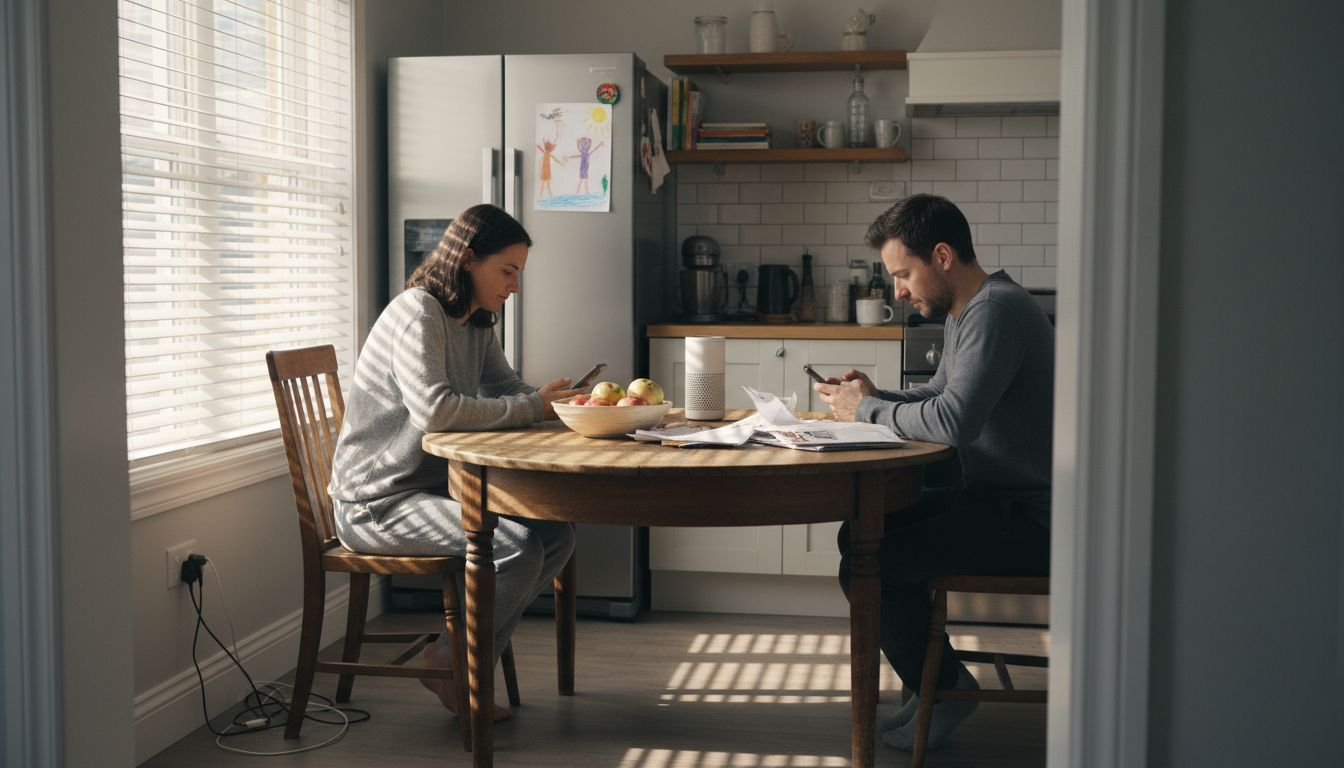
Managing dozens of devices and keeping your smart home responsive can feel overwhelming without the right technology, which is why understanding the role of cloud in smart homes is so important. As a result, more urban homeowners rely on cloud solutions, since traditional setups often struggle to deliver seamless control, reliable security, and real-time automation at scale. First, in this guide you’ll first learn the cloud technology fundamentals behind remote management and dynamic automation, and then see how they help you build a smart home ecosystem that adapts to your needs while protecting your data.your data.
Table of Contents
- Cloud Technology Fundamentals For Smart Homes
- Types Of Cloud-Powered Smart Home Solutions
- How Cloud Enables Device Connectivity And Automation
- Security, Privacy, And Reliability Challenges
- Comparing Cloud Vs Alternative Architectures
- Cost, Maintenance, And Common Pitfalls
Key Takeaways – Role of Cloud in Smart Homes
| Point | Details |
|---|---|
| Cloud Technology Enhances Smart Homes | Cloud computing centralizes control and management of smart devices, allowing remote access and real-time interaction. |
| Diverse Architectural Models | Options like full cloud, hybrid, and edge computing cater to different needs, affecting performance and scalability. |
| Security and Privacy Are Critical | Implement robust security measures, including encryption and two-factor authentication, to safeguard personal data and device networks. |
| Ongoing Costs and Maintenance Matter | Budget for recurring cloud services and device maintenance to manage long-term smart home investments effectively. |
Cloud technology fundamentals for smart homes -Role of Cloud in Smart Homes
Cloud computing has revolutionized smart home automation by providing centralized, scalable infrastructure for managing interconnected devices. Unlike traditional local computing models, cloud technology enables homeowners to process, store, and control smart home systems remotely with unprecedented flexibility. Cloud-based smart home frameworks leverage advanced protocols like MQTT messaging to facilitate seamless communication between devices and centralized data centers.
The core architectural components of cloud technology in smart homes include:
- Data Storage: Centralized cloud servers that securely store device configurations, user preferences, and historical performance data
- Processing Power: Robust computational resources capable of analyzing complex device interactions and generating intelligent automation rules
- Connectivity Management: Advanced networking protocols enabling real-time communication between multiple smart devices
- Remote Access: Secure interfaces allowing users to monitor and control home systems from anywhere using smartphones or web platforms
Smart home cloud technologies also address critical challenges by implementing sophisticated security and privacy mechanisms. Edge computing integration helps mitigate latency and bandwidth constraints, ensuring faster response times and more efficient data processing. This hybrid approach combines centralized cloud infrastructure with localized edge computing to optimize performance and reduce potential network bottlenecks.
Pro tip: When selecting smart home cloud services, prioritize platforms offering robust encryption, two-factor authentication, and transparent data privacy policies to protect your personal information and device networks.

Types of cloud-powered smart home solutions – Role of Cloud in Smart Homes
Cloud computing has transformed smart home technologies by offering diverse architectural models that cater to different automation needs and performance requirements. Cloud-powered smart home architectures can be categorized into three primary deployment strategies. Specifically, each with unique capabilities and design considerations.
To make this easier to compare, the main types of cloud-powered smart home solutions include:
- Full Cloud-Based Platforms: Centralized systems where all data processing and device management occur in remote data centers
- Hybrid Edge-Cloud Models: Architectures that distribute computational tasks between local devices and cloud infrastructure
- Fog Computing Solutions: Decentralized approaches that process data closer to the source while maintaining cloud connectivity
- Serverless Architectures: Dynamic, scalable systems that automatically manage computing resources without dedicated server management
Smart home cloud solutions vary significantly in their approach to device communication, scalability, and automation capabilities. Fully cloud-managed systems offer comprehensive remote control and centralized data storage, while hybrid models provide enhanced performance by reducing network latency and improving response times. Serverless architectures represent the most flexible approach. Specifically, dynamically allocating computational resources based on real-time demand and device interactions.
Here is a comparison of common cloud-powered smart home architecture types and their ideal use cases:
| Architecture Type | Best For | Scalability | Typical Drawback |
|---|---|---|---|
| Full Cloud-Based | Large, remote control needs | High | Potential latency issues |
| Hybrid Edge-Cloud | Fast response, privacy focus | Moderate | Integration complexity |
| Fog Computing | Real-time processing, balance | Moderate | Complex setup |
| Serverless | Variable demand, automation | High | Vendor dependency |
Pro tip: When evaluating cloud-powered smart home solutions, assess your specific needs by considering factors like network reliability, privacy requirements, and the complexity of your home automation ecosystem.
How cloud enables device connectivity and automation – Role of Cloud in Smart Homes
Cloud computing serves as the central nervous system for smart home ecosystems. Furthermore, it is transforming disconnected devices into a unified, intelligent network. Cloud-based IoT frameworks facilitate seamless communication between diverse smart home devices by providing standardized protocols and centralized management infrastructure.
First, the key mechanisms of device connectivity and automation through cloud technologies include:
- Centralized Communication Hub: Cloud platforms act as a central coordination point for device interactions
- Standardized Protocols: Using universal communication standards like TCP/IPv6 and MQTT
- Real-Time Data Processing: Enabling instant analysis and response to sensor inputs
- Remote Device Management: Allowing users to control and monitor devices from anywhere
- Intelligent Automation Rules: Creating complex, adaptive home control scenarios
Smart home messaging protocols like MQTT enable sophisticated device communication by efficiently transmitting commands and state information. This technology allows different devices to understand and respond to each other. Thus, creating a responsive and interconnected home environment. Cloud serverless functions further enhance automation by dynamically triggering actions based on predefined rules and real-time sensor data.

Pro tip: When setting up your smart home network, prioritize devices that support standard communication protocols to ensure maximum compatibility and seamless cloud integration.
Security, privacy, and reliability challenges
Security, privacy, and reliability challenges in cloud-based smart homes are closely linked, and understanding how they interact helps you design a safer system. For instance, as more devices connect to the cloud, the overall attack surface grows, which in turn increases the risk of data interception, weak authentication, and network exposure. At the same time, centralized data storage and always-on connectivity can raise serious privacy concerns and reliability issues if services fail or connections drop unexpectedly.
Key security and privacy challenges in cloud-powered smart home systems include:
- Data Interception Risks: Potential unauthorized access to personal communication streams
- Heterogeneous Device Vulnerabilities: Security gaps created by devices with different protection standards
- Authentication Weaknesses: Insufficient user verification mechanisms
- Network Exposure: Increased attack surfaces from multiple connected endpoints
- Privacy Concerns: Centralized data storage potentially revealing sensitive personal information
Smart home data transmission vulnerabilities highlight critical risks in cloud-based home automation systems. These include potential breaches during data transmission, unauthorized device access. In addition, the complex challenge of maintaining robust security across diverse technological platforms. Emerging mitigation strategies focus on advanced encryption protocols, edge computing techniques, and multi-layered authentication mechanisms to protect user data and system integrity.
Pro tip: Regularly update device firmware, use strong unique passwords, and enable two-factor authentication to significantly reduce your smart home network’s security vulnerabilities.
Comparing cloud vs alternative architectures
Smart home computing architectures form a complex landscape of technological approaches. However, each option comes with its own advantages and limitations. First, traditional cloud computing offers centralized processing and storage for easier management, while emerging alternatives like edge and fog computing instead provide more distributed, localized strategies that can significantly improve responsiveness and privacy.
Key comparative characteristics of different smart home computing architectures include:
Cloud Computing:
- Centralized data storage
- High scalability
- Comprehensive computational resources
- Potential latency and privacy concerns
Edge Computing:
- Local data processing
- Reduced network latency
- Enhanced privacy protection
- Limited computational capacity
Fog Computing:
- Intermediate processing layer
- Balanced between cloud and edge approaches
- Improved response times
- Complex implementation requirements
IoT architecture comparison metrics reveal nuanced trade-offs between these approaches. While cloud computing provides robust, centralized management, edge and fog computing offer superior performance in scenarios requiring real-time processing and enhanced privacy. The ideal solution often involves a hybrid architecture that leverages the strengths of multiple computational models.
Pro tip: Design your smart home network by selecting an architecture that balances computational power, privacy requirements, and specific performance needs of your connected devices.
Cost, maintenance, and common pitfalls
Smart home automation investments involve complex financial considerations that extend far beyond initial device purchases. Homeowners must carefully evaluate not just upfront costs, but ongoing expenses related to cloud services, network infrastructure, and system maintenance.
First, critical cost and maintenance considerations include:
Initial Investment:
- Device hardware costs
- Network infrastructure setup
- Professional installation expenses
Recurring Expenses:
- Monthly cloud service subscriptions
- Software update fees
- Cybersecurity maintenance
- Potential device replacement cycles
Common Pitfalls:
- Vendor lock-in risks
- Interoperability challenges
- Unexpected complexity
- Dependency on continuous internet connectivity
Cloud-based smart home operational challenges reveal significant maintenance complexities. Additionally, these include managing software updates across multiple devices, ensuring consistent security protocols, and maintaining system scalability. The financial implications extend beyond direct costs, encompassing potential productivity losses during system downtime and the need for continuous technological adaptation.
This table summarizes strategies for optimizing smart home cost, maintenance, and reliability:
| Strategy | Benefit | Key Consideration |
|---|---|---|
| Regular Updates | Maintains security and features | Requires scheduled attention |
| Budget Allocation | Prevents unexpected expenses | Plan for annual costs |
| Platform Compatibility | Eases expansion and updates | Research standards support |
Pro tip: Budget for ongoing smart home maintenance by allocating approximately 10-15% of your initial system cost annually for updates, potential replacements, and subscription services.
Unlock the Full Potential of Cloud-Powered Smart Homes Today
The article highlights the challenges of integrating cloud technology into smart home systems, including ensuring seamless device communication, maintaining top security, and managing complex automation setups. If you face difficulties in choosing the right cloud-based solutions or want to simplify the automation of your smart home with trusted technology, understanding key concepts like MQTT messaging, hybrid edge-cloud models, and serverless architectures is essential. These components can unlock the true power of flexible, scalable, and secure smart home management.

Explore our Complete Smart Home Automation Master Guide for in-depth tutorials and expert advice that will help you confidently select and install the best devices and cloud services. Dive deeper into understanding the foundational Core Device Categories to ensure full compatibility and maximize automation efficiency. Start building your connected, smart living space with reliable guidance from Smart Home HQ now. Don’t wait to transform your home with smarter, streamlined control powered by cloud technology.
Frequently Asked Questions
What are the main benefits of using cloud technology in smart homes?
Cloud technology provides centralized management, scalability, remote access, and enhanced automation capabilities for smart homes, so you can flexibly control and monitor interconnected devices from virtually anywhere.
How does cloud computing improve communication between smart home devices?
Cloud computing acts as a centralized communication hub and, as a result, uses standardized protocols like MQTT to enable seamless, real-time interactions between various devices in a smart home.
What are the different types of cloud-powered smart home solutions?
The main types include full cloud-based platforms, hybrid edge-cloud models, fog computing solutions, and serverless architectures; together, these options cater to different needs for device management, response times, and scalability.
What are some security challenges associated with cloud-based smart home systems?
Key challenges include data interception risks, heterogeneous device vulnerabilities, insufficient authentication mechanisms, and privacy concerns related to centralized data storage, which means homeowners must plan carefully for security from the start.
Recommended
- Examples of Home Automation for Easy Smart Living
- Examples of Smart Home Automation for Owners – Practical Ideas
- smart thermostat integration