Category: Smart Home Automation

Smart Home Automation

  • 7 Types of Smart Home Devices Every Owner Should Know

    7 Types of Smart Home Devices Every Owner Should Know

    Types Of Smart Home Devices: Summary

    Managing a busy household while keeping up with comfort, security, and savings can feel overwhelming. You want more control over your living space, but finding practical solutions that really fit your lifestyle is a challenge. The right types of smart home devices can help simplify your day. Additionally, they reduce energy costs, and make your home a safer place for everyone.

    This guide will show you how to harness the power of smart devices—like voice-controlled speakers, energy-saving thermostats, and custom lighting. Add real improvements you’ll notice. You will discover actionable ways to use these systems, along with insights backed by recent research. Includes how LED lighting combined with occupancy sensors can reduce your energy use by over 70 percent. Get ready to transform your routine. Experience the comfort and convenience that smart home tech offers with these proven solutions.

    Table of Contents

    Quick Summary

    TakeawayExplanation
    1. Smart Speakers Simplify Home ControlVoice-activated smart speakers allow hands-free control of lights, temperature, and security, enhancing convenience and accessibility in daily life.
    2. Smart Lighting Saves Energy and Enhances AmbianceSmart lighting provides customizable brightness and colors while improving energy efficiency, reducing monthly utility bills significantly.
    3. Smart Thermostats Optimize Comfort and Reduce BillsLearning smart thermostats adjust temperature settings automatically, maximizing energy savings while maintaining comfort throughout your home.
    4. Smart Security Cameras Provide Peace of MindReal-time monitoring and AI alerts from smart cameras enhance home security, allowing homeowners to respond quickly to any suspicious activity.
    5. Smart Sensors Alert You to HazardsSmart sensors detect threats like fires and leaks, sending immediate alerts to your devices for timely action and risk reduction.

    1. Smart Speakers for Voice Control and Automation

    Smart speakers are the foundation of most modern smart home systems. They act as your voice-activated command center for controlling everything from lights and thermostats to security cameras and entertainment systems. These devices use advanced voice recognition technology to understand your commands. Then they execute them instantly, transforming how you interact with your home on a daily basis.

    What makes smart speakers so powerful is their ability to operate hands free while you’re doing other things. Whether you’re cooking dinner, exercising, or just settling into the couch, you can adjust your home’s temperature. Or you can turn off lights, play music, or check on security cameras without lifting a finger. Voice user interfaces have evolved significantly. This has enabled these devices to understand natural conversation patterns and context. Therefore, making them feel less like robots and more like helpful assistants. For homeowners aged 30 to 50 who juggle multiple responsibilities, this convenience factor alone justifies the investment.

    Beyond convenience, smart speakers also enhance accessibility

    Voice-assisted systems particularly benefit elderly or disabled users. Improvements are providing alternative control methods that don’t require navigating menus or using physical buttons. If you’re supporting aging parents or family members with mobility challenges, a smart speaker can dramatically improve their independence and comfort.

    When you’re starting your smart home journey, position your speaker in a central location like your kitchen or living room. A central location allows it to hear commands clearly and reach most of your connected devices. Begin with basic commands like adjusting lighting and temperature. Then continue expanding to more complex automations like creating routines that run multiple actions simultaneously. Many people don’t realize that offline voice options exist for privacy conscious homeowners. This allows some device control without relying on cloud connectivity for every command.

    Pro tip:

    Set up voice routines for your daily patterns, such as a “Good Morning” routine that gradually increases lights, starts your coffee maker, and reads the weather. Or try a “Leaving Home” routine that locks doors and arms security systems with a single command.

    2. Smart Lighting Systems for Custom Ambiance

    Smart lighting transforms your home by letting you control brightness, color, and timing from your phone or voice commands. You can create the perfect atmosphere for any moment. Unlike traditional bulbs that offer only on or off, smart lights adapt to your needs. Whether you want energizing white light for morning routines or warm amber tones for evening relaxation. This goes far beyond convenience, it fundamentally changes how you experience your living spaces throughout the day.

    The real power of smart lighting lies in its energy efficiency and personalization working together. LED technology combined with occupancy sensors can reduce your energy consumption by over 70 percent. This translates to real savings on your monthly utility bills. Smart systems automatically adjust brightness based on natural daylight in the room. And additionally, whether people are actually present, meaning you’re never paying to light an empty space.

    For homeowners managing energy costs while maintaining comfort, this combination is a game changer.

    You can create customized lighting scenes that match specific activities. Consider a bright “focus” setting for your home office, a dimmed “movie” scene for entertainment, or a warm “bedtime” scene that gradually transitions to help your body wind down. These scenes save time since you activate them with a single command instead of manually adjusting multiple lights.

    When implementing smart lighting, start with key areas. Consider where you spend the most time, like your kitchen, bedroom, and living room. Real time data integration from sensors allows the system to optimize automatically. Thus, you’re getting the best balance between comfort and efficiency without constantly tweaking settings. Many homeowners appreciate how smart lighting improves their morning routine. They gradually brighten their bedroom as an alarm, which is gentler than jarring sunlight or a loud alarm. You can also set your lights to simulate your presence when you’re away. Turn them on and off at random intervals to deter potential break-ins. This security benefit adds another layer of value beyond ambiance and savings.

    Pro tip:

    Start by installing smart bulbs in existing light fixtures rather than rewiring your home. Then add a central hub once you’re comfortable with how they work and what features matter most to you.

    3. Smart Thermostats for Energy Efficiency

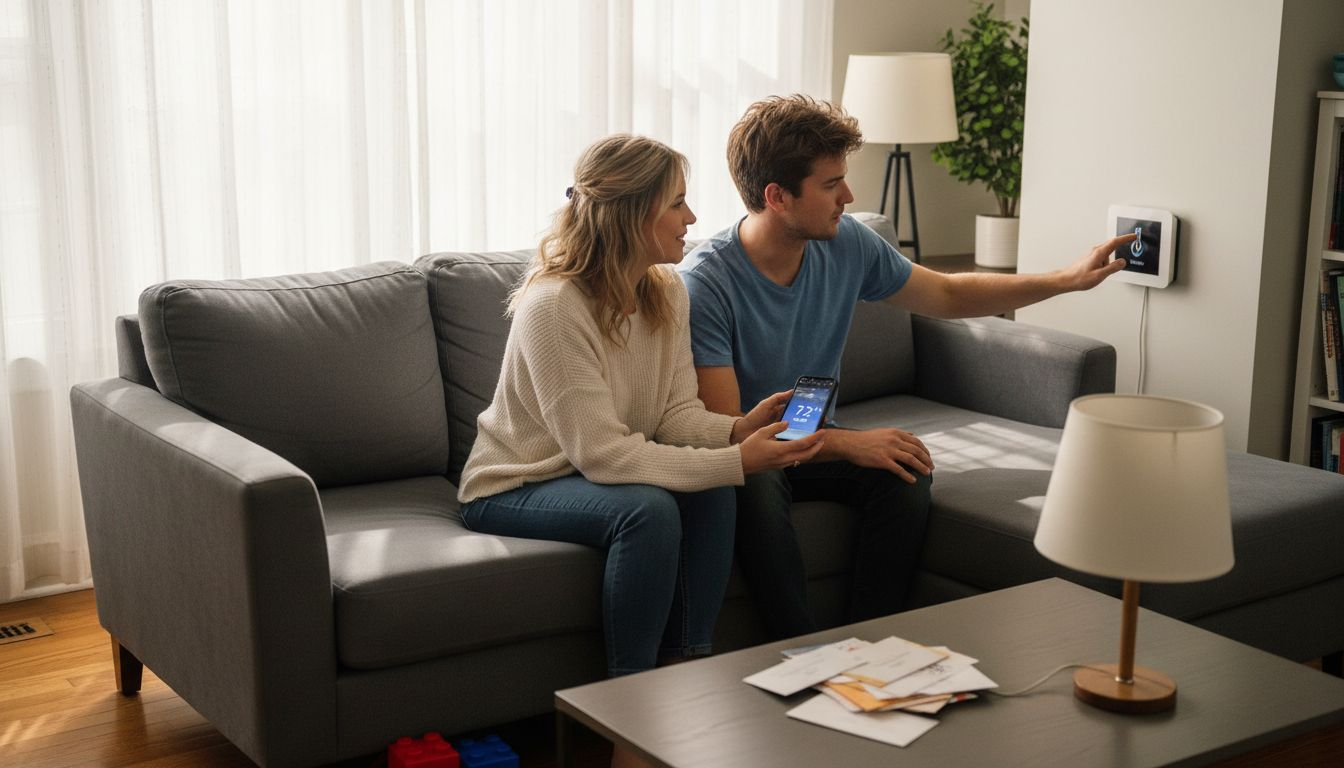
    A smart thermostat is one of the most practical types of smart home devices investments you can make for your home. It actively learns your temperature preferences and schedules. Then it can automatically adjusting your heating and cooling to match your lifestyle. Traditional thermostats require manual adjustment, while smart thermostats work continuously in the background. They optimize your HVAC system to use less energy while keeping you comfortable. This means you can reduce your energy bills without sacrificing the climate control you want.

    The technology behind smart thermostats is straightforward but powerful. These devices collect detailed occupancy and temperature data. They then use learning algorithms for optimal scheduling to understand when your home is occupied and adjust settings accordingly. If everyone leaves for work in the morning, your thermostat knows to reduce heating or cooling until you return in the evening.

    Many smart thermostats also include occupancy sensing

    This detects when rooms are empty, allowing them to avoid conditioning unused spaces. The result is measurable savings on your energy consumption without requiring constant attention from you. Remote temperature control through your smartphone adds another layer of convenience, letting you adjust your home’s temperature from anywhere. You might lower the thermostat before a winter trip to prevent wasted heating, or increase cooling before arriving home on a hot summer day. Voice command integration with your smart speaker means you can ask for temperature adjustments hands free while cooking or getting ready.

    When selecting a smart thermostat, look for models that integrate seamlessly with your existing smart home system and provide clear energy usage reports. Understanding how smart thermostats reduce energy consumption while maintaining comfort helps you make informed decisions about which features matter most to your household. Installation is typically straightforward for homeowners with basic electrical comfort.

    However, some people prefer professional installation to ensure everything works correctly. Start by tracking your current energy usage for a few months. Then install your smart thermostat and continue monitoring to see your actual savings. Most homeowners report payback periods of two to three years through reduced utility bills, making it one of the most financially sensible smart home upgrades available.

    Pro tip:

    Create separate temperature schedules for weekdays and weekends, and enable “away mode” when you leave for extended periods to maximize energy savings without manual adjustments.

    4. Smart Security Cameras for Remote Monitoring

    Smart security cameras are the eyes of your home when you’re away, providing real time video feeds you can access from your smartphone, tablet, or computer no matter where you are. These types of smart home devices go far beyond simple recording, they use advanced technology to detect unusual activity and alert you immediately, giving you peace of mind whether you’re at work, traveling, or simply in another room. For homeowners concerned about property protection and family safety, smart cameras are arguably the most visible and reassuring smart home device you can install.

    What makes modern smart security cameras so effective is their integration of artificial intelligence and machine learning capabilities. Facial recognition and behavior analysis allow cameras to distinguish between normal activity like a delivery person versus suspicious behavior like someone lingering at your door or attempting to enter restricted areas. When your camera detects something unusual, it immediately sends you an alert with video clips, so you can decide whether to contact authorities or investigate further. Many systems can also recognize specific people you designate as family members or trusted visitors, reducing false alarms that plague older security systems. The cameras integrate seamlessly with your other smart devices too, triggering lights to turn on automatically when motion is detected at night or locking doors when an intrusion is identified.

    When setting up smart cameras, consider your specific needs.

    Do you want to monitor your front door, backyard, driveway, or multiple areas? Smart cameras offer real time video monitoring and object detection features that help you identify exactly what’s happening at your property. Indoor cameras work well for monitoring entryways, garages, and living spaces, while outdoor cameras need weather resistance and night vision capability. The customizable privacy settings on quality smart cameras let you control when and where recordings occur, ensuring your family’s privacy is protected. Most systems store footage to the cloud, so you maintain a history of events even if someone damages the physical camera. For homeowners aged 30 to 50 managing properties across multiple locations or traveling frequently, this remote access capability transforms how you maintain home security and respond to emergencies.

    Pro tip:

    Install cameras at entry points like front and back doors first, then add additional cameras to cover blind spots and valuable areas as your comfort with the system grows.

    5. Smart Door Locks for Enhanced Entry Protection

    Smart door locks eliminate the need for physical keys while giving you complete control over who enters your home and when. Instead of fumbling for keys or worrying about lost copies, you unlock your door with your smartphone, a keypad code, or biometric authentication like your fingerprint. For busy homeowners juggling work, family, and social commitments, these types of smart home devices transform entry from a security vulnerability into a seamlessly integrated part of your smart home ecosystem.

    The core appeal of smart locks lies in their flexibility and control. Biometric authentication and smart home integration allow you to grant temporary access to housekeepers, contractors, or family members without handing over physical keys that could be copied or lost. You can send a digital key to a friend arriving before you get home, or set up a time based code for a dog walker that expires after their scheduled visit. Smart door locks provide remote entry control via smartphone, meaning you can lock or unlock your door from anywhere, which is incredibly useful when you realize you forgot to lock up after leaving home. The audit trails built into quality smart locks show you exactly when doors were locked or unlocked and by whom, giving you visibility into your home’s security that traditional locks simply cannot provide.

    Installation is often simpler than you might expect.

    Most smart locks retrofit directly onto your existing deadbolt without requiring any rewiring or permanent changes to your door. You keep your physical deadbolt mechanism intact as a backup, so you always have entry options even if your smart lock’s battery dies or technology fails. Start with one door like your front entrance to get comfortable with the system, then expand to other entry points as you grow confident. When selecting a smart lock, prioritize models with strong encryption and regular security updates, since your door is the primary barrier between your home and the outside world. Battery life typically lasts six to twelve months depending on how frequently the lock is used, and most systems alert you before the battery dies so you can replace it proactively. For homeowners balancing security with convenience, smart locks deliver on both fronts.

    Pro tip:

    Always store a backup physical key somewhere secure outside your home in case you need emergency entry, and share your smart lock access codes only with trusted people you can easily revoke access for if circumstances change.

    6. Smart Plugs and Outlets for Device Management

    Smart plugs are the simplest types of smart home devices to add intelligence to devices that aren’t inherently smart, transforming ordinary appliances into connected gadgets you control from your phone or voice commands. Instead of replacing your coffee maker, lamp, or fan, you simply plug it into a smart outlet and gain remote control, scheduling, and energy monitoring capabilities. For homeowners looking to expand their smart home without major renovations or expensive replacements, smart plugs offer the best value and fastest return on investment.

    The magic of smart plugs lies in their ability to collect and transmit real time energy consumption data for every connected device. IoT based smart plugs enable remote monitoring of your appliances, showing you exactly how much electricity each device uses throughout the day. This visibility is powerful because most people have no idea which appliances are energy hogs. You might discover your bedroom fan uses minimal power while your office space heater consumes enormous amounts, allowing you to make informed decisions about when to use it or replace it with something more efficient.

    Beyond monitoring

    You can create automations that turn devices off automatically, set schedules that prevent you from accidentally leaving things running, and even integrate them with other smart home devices. For example, your smart plug could turn on a bedroom fan when your smart thermostat detects the temperature rising above a certain level, or shut off coffee makers after a set time to prevent hazards.

    When implementing smart plugs, start by identifying energy intensive devices you use daily but don’t always remember to turn off. Bedroom televisions, office equipment, bathroom exhaust fans, and kitchen appliances are perfect candidates. Smart plugs with machine learning provide automatic appliance identification and energy usage feedback, helping you understand consumption patterns and identify savings opportunities. The setup process is straightforward: plug them in and connect them to your Wi Fi network through the manufacturer’s app. Then assign them to your smart home system. Most smart plugs cost between ten and thirty dollars, making them among the cheapest ways to start building your smart home. Since they work with existing devices, you avoid the expense of buying new smart compatible appliances, spreading your smart home investment across time rather than making one large purchase.

    Pro tip:

    Place smart plugs on devices you forget to turn off, such as bedroom lamps or entertainment systems, and use scheduling features to automatically power them down after bedtime or work hours.

    7. Smart Sensors for Safety and Alerts

    Smart sensors are the silent guardians of your home, continuously monitoring for hazards like fires, carbon monoxide leaks, water damage, and break ins while alerting you instantly if danger is detected. Unlike traditional smoke detectors that only sound an alarm in your immediate vicinity, these types of smart home devices send notifications to your phone, smartwatch, and other devices anywhere in the world. For homeowners who travel frequently or manage properties remotely, this capability transforms passive safety devices into active protectors that keep you informed in real time.

    The power of smart sensor systems comes from their ability to detect multiple types of hazards simultaneously and communicate across networks. Real time detection of fires and gas leaks allows smart homes to respond faster than traditional systems. Thus, potentially saving lives and reducing property damage.

    Motion sensors detect unauthorized entry, water sensors catch pipe leaks before they cause catastrophic damage, and temperature sensors alert you to dangerous heating or cooling failures. AI enabled sensors advance safety management by learning normal patterns in your home and flagging anomalies that might indicate problems. For example, a sensor network might detect that your basement humidity is rising unusually fast, warning you of a potential water issue before visible damage occurs. These early warnings give you time to take action instead of discovering problems after they’ve already caused expensive repairs.

    Implementing smart sensors requires minimal effort and investment.

    Start by placing sensors at the most critical locations in your home, such as your bedroom, kitchen, and near your water heater or furnace. Smoke and carbon monoxide detectors should be installed on every level of your home. Water sensors work best near appliances that commonly leak like washers, dishwashers, and water heaters. Most smart sensors communicate wirelessly and require only occasional battery changes, making them far easier to maintain than wired systems.

    Many homeowners are surprised by how affordable comprehensive sensor coverage is. Typically, quality sensors typically cost between twenty and fifty dollars each. When you consider that a single water leak can cost thousands in repairs, the investment in water sensors alone pays for itself many times over. There is peace of mind knowing your home is being actively monitored around the clock. Even while you sleep or travel, making smart sensors one of the highest value additions to any smart home.

    Pro tip:

    Install water sensors in the lowest points of your home like basements and under sinks where leaks are most likely. Then pair them with smart shutoff valves that can automatically stop water flow when a leak is detected.

    Below is a comprehensive table summarizing the benefits, functionalities, and implementation tips of various smart home devices.

    CategoryDescriptionKey Benefits
    Smart SpeakersServe as a voice-activated interface for controlling home systems.Enhances accessibility, provides hands-free convenience, integrates with multiple devices.
    Smart LightingOffers adjustable brightness and color for customizable ambiance.Saves energy through automation, supports scene personalization, improves security.
    Smart ThermostatsAutomatically adjusts home temperature based on occupancy and preferences.Reduces energy bills, optimizes HVAC efficiency, provides remote control.
    Smart Security CamerasReal-time video monitoring with alert systems for suspicious activities.Enhances property protection, integrates with smart systems, offers remote surveillance.
    Smart Door LocksEnables entry via smartphone, keypad, or fingerprint.Improves entry security, provides remote access, maintains usage logs.
    Smart PlugsConverts ordinary devices into smart devices with remote control capabilities.Monitors energy usage, facilitates automation, minimizes energy wastage.
    Smart SensorsDetects hazards such as fire, leaks, or gas, offering real-time notifications.Guards against property damage, supports automated responses, provides peace of mind.

    These insights provide a clear overview of how integrating these types of smart home devices can enhance efficiency, security, and convenience in a modern home.

    Discover the Smart Home Solutions That Truly Work for You

    Understanding the many types of smart home devices can feel overwhelming when you face choices involving voice control, lighting ambiance, energy savings, or security alerts. This article highlights key challenges homeowners encounter such as managing convenience, enhancing safety, and reducing energy costs with devices like smart speakers, thermostats, and security cameras. If you seek trusted guidance on selecting the right types of smart home devices tailored to your lifestyle and home needs, expert insight is critical.

    Start your journey with confidence by exploring The Complete Smart Home Automation Master Guide Archives – Smart Home HQ. Included are detailed product reviews and step-by-step installation tips empower you to build a seamless smart environment.

    https://smarthomehq.house

    Take control of your home with up-to-date information and tested recommendations at Smart Home HQ. Whether you prioritize smart safety enhancements or creating the perfect smart lighting atmosphere, our resources ensure you make informed decisions that maximize comfort, security, and energy efficiency today. Don’t wait to transform your home into the connected haven you deserve.

    Explore proven types of smart home devices solutions now and turn your smart home goals into reality. Visit Smart Home Safety Archives – Smart Home HQ and visit Smart Home HQ for expert advice every step of the way.

    Frequently Asked Questions

    What are the benefits of using smart speakers in my home?

    Smart speakers allow for hands-free control of various smart home devices, making daily tasks more convenient. Position your speaker in a central location to maximize its effectiveness and start using simple voice commands to control lights and temperature.

    How can smart lighting improve the ambiance of my home?

    Smart lighting systems adapt brightness and color, enhancing your living spaces according to your needs. Begin by setting up smart bulbs in frequently used areas like the kitchen and living room to create customized lighting scenes that you can activate with one command.

    In what ways do smart thermostats help with energy efficiency?

    Smart thermostats learn your temperature preferences and adjust heating and cooling automatically, helping to lower energy bills. Track your energy usage before and after installation to gauge your savings within a few months.

    What features should I consider when choosing smart security cameras?

    When selecting a smart security camera, look for features like real-time video monitoring and motion detection. Start by installing cameras at key entry points, such as doors and driveways, to enhance your home’s security.

    How can smart door locks increase home security?

    Smart door locks allow for keyless entry and remote control of your home’s main entry points. Install one on your front door first to test its features, then consider expanding to other entrances as you become more comfortable with the technology.

    What are the best uses for smart plugs in my home?

    Smart plugs enable you to control regular devices remotely and monitor their energy usage. Begin by plugging in devices you often forget to turn off, like lamps or coffee makers, and utilize scheduling features to manage their power automatically.

  • 🤖 The Top 5 AI Smart Robots You Never Knew You Needed

    🤖 The Top 5 AI Smart Robots You Never Knew You Needed

    🌟 AI Smart Robots Introduction

    Welcome to the future, where robots aren’t just sci-fi fantasies or factory workers—they’re quirky, helpful companions ready to revolutionize your daily life in ways you never imagined! From laundry-folding wizards to plant-whispering gardeners, AI smart robots are here to add a dash of magic (and a whole lot of convenience) to your home. Get ready to meet five delightful bots you didn’t know you needed… until now! ✨

    Affiliate Notice: If you click on a link to a product and make a purchase, I may receive a small commission at no extra cost to you.

    📑 AI Smart Robots – Table of Contents


    Laundry-Bot

    🤖 #1: Laundry-Bot 3000 – The Sock-Sorting Superhero

    Why You Never Knew You Needed This AI Smart Robots

    Remember that mysterious black hole where socks disappear? Meet its nemesis! The Laundry-Bot 3000 doesn’t just fold clothes—it identifies fabrics, pairs socks with eerie accuracy, and even suggests outfit combinations based on your calendar. Using computer vision and gentle robotic arms, it turns laundry day from a chore into a front-row seat at a robotic fashion show. Plus, it plays a little victory tune when it finds that missing sock. 🧦🎉

    Key Features:

    • AI-Powered Sorting: Recognizes colors, fabrics, and garment types
    • Outfit Suggestions: Syncs with your calendar for daily recommendations
    • Gentle Handling: Special sensors prevent stretching or damage
    • Entertainment Mode: Tells dad jokes while folding (optional, but delightful)

    AI Smart Robots – Engagement Ranking: 🥇 #1

    Sorry, there isn’t a commercially available “Laundry-Bot 3000” exactly as described in our whimsical blog post—but the technology is advancing rapidly, and several real-world solutions exist that are working toward similar goals!

    🛠️ Available Laundry Technology TODAY

    Smart Washers & Dryers

    • Samsung AI Wash(affiliate link): Uses AI to detect fabric types and soil levels
    • LG ThinQ(affiliate link): Smart diagnosis, remote control via app
    • GE Smart Dispense: Automatically adds detergent

    Laundry-Folding Gadgets

    • Foldimate-style devices: Smaller, simpler folding boards with some automation
    • Handheld fabric steamers: Quick wrinkle removal
    • Smart laundry baskets: Like the “Bluapple” that tracks laundry cycles

    Plant-Pal

    🌱 #2: Plant-Pal – The Green-Thumbed Guardian

    Why You Never Knew You Needed This AI Smart Robots

    Not blessed with a green thumb? Plant-Pal is your botanical buddy! This adorable wheeled robot glides between your houseplants, checking soil moisture, light levels, and even singing to them (studies show plants love classical music!). It sends you playful notifications like, “Fernando the fern is feeling thirsty!” and can administer precise amounts of water and nutrients. Your plants will thrive, and you’ll finally keep that succulent alive. 🌵💧

    Key Features:

    • Smart Sensors: Monitors soil, light, humidity, and plant health
    • Auto-Watering: Precision irrigation based on plant type
    • Growth Tracking: Creates time-lapse videos of your plant’s progress
    • Personality Plus: Each robot has a “plant-whisperer” name generator

    AI Smart Robots – Engagement Ranking: 🥈 #2

    Plant care AI Smart Robots ARE real and available—but they’re generally simpler than our whimsical “Plant-Pal” concept. Several companies have created automated plant caretakers, though they vary in sophistication and capabilities.

    🛒 Available Plant Care Robots RIGHT NOW

    1. FarmBot Genesis (Most Advanced)

    • What it is: Open-source CNC gardening robot
    • Capabilities: Planting, watering, weeding, monitoring
    • Price: $3,495+ (kit form)
    • Best for: Serious gardeners, educational use
    • Availability: Direct from FarmBot.io

    2. Planty (Kickstarter Success)

    • What it is: Wheeled plant care robot
    • Capabilities: Autonomous movement, watering, light monitoring
    • Status: Successfully funded, in production
    • Price: ~$299 (early bird)
    • Best for: Indoor plant enthusiasts

    3. Hexa Plant Watering Robot

    • What it is: Six-legged robot that waters plants
    • Company: Vincross (Chinese robotics firm)
    • Capabilities: Mobile watering, basic monitoring
    • Status: Available in limited markets
    • Note: More of a tech demo than mass-market product

    4. Koubachi Wi-Fi Plant Sensor

    • What it is: Smart sensor (not a mobile robot)
    • Capabilities: Soil moisture, light, temperature monitoring
    • Price: $99-149
    • Availability: Widely available online
    • Note: Sends alerts to your phone but doesn’t move or water

    Chef-Bot

    🍳 #3: Chef-Bot – The Culinary Sidekick

    Why You Never Knew You Needed This AI Smart Robots

    Imagine a robot that doesn’t just follow recipes but creates them based on what’s in your fridge! Chef-Bot is your kitchen co-pilot, equipped with taste sensors (yes, really!), a library of global cuisines, and the ability to chop, stir, and taste-test. It learns your preferences over time, suggesting “Leftover Surprise Wednesday” or guiding you through a perfect risotto. Bon app-robot! 🍲🤖

    Key Features:

    • Pantry Scanner: Identifies ingredients via smart camera
    • Recipe Generator: Creates dishes based on what you have
    • Multi-Tasking Arms: Handles chopping, stirring, and plating
    • Taste Sensor: Adjusts seasoning like a pro chef (patent-pending!)

    AI Smart Robots – Engagement Ranking: 🥉 #3

    Food is inherently engaging, and the “magic” of a robot chef sparks curiosity and delight.

    Partially Real, But Not Fully Autonomous

    Yes, AI Smart Robots cooking assistants exist, but they’re not yet the fully autonomous “Chef-Bot” from our whimsical post. We have specialized cooking robots, smart appliances, and AI-powered kitchen gadgets—but no single robot that does everything from pantry scanning to plating.

    🛒 Available Cooking Robots & Systems TODAY

    1. Moley Robotics Kitchen (Closest to “Chef-Bot”)

    • What it is: Fully robotic kitchen with two robotic arms
    • Capabilities: Can cook 5,000+ recipes, mimics human chef movements
    • Status: Available for commercial/ultra-luxury market
    • Price: Approximately $330,000
    • Limitations: Not for home kitchens, requires pre-portioned ingredients

    2. Thermomix TM6 (Popular “Almost Robot”)

    • What it is: Multi-function cooking processor with guided cooking
    • Capabilities: Weighs, cooks, steams, blends with recipe guidance
    • Price: $1,499
    • Availability: Worldwide through consultants
    • Why it’s popular: Does 90% of cooking tasks with step-by-step guidance

    3. Nymble (Formerly Rotimatic)

    • What it is: Robot that makes flatbreads/rotis automatically
    • Capabilities: Makes fresh bread from flour and water
    • Price: $999
    • Status: Available for purchase
    • Specialization: Single-food type robot

    4. Picnic Pizza Assembly Robot

    • What it is: Commercial pizza-making robot
    • Capabilities: Assembles 300 pizzas per hour
    • Status: Commercial kitchens/food service
    • Home version: Not available

    🔪 Smart Kitchen Gadgets (Building Blocks)

    AI-Powered Appliances:

    1. June Intelligent Oven ($599-1,995)
      • Computer vision recognizes food
      • Suggests cooking times/temperatures
      • Remote monitoring via app
    2. Brava Smart Oven(affiliate link) ($1295)
      • Pure light cooking technology
      • Recipe-guided cooking
      • Pre-programmed settings
    3. Anova Precision Cooker(affiliate link) ($209)
      • Sous vide with app control
      • Recipe library and guidance
      • Community recipe sharing

    Smart Food Processors:

    Ninja Foodi series with smart features

    CookingPal Julia ($1,099)

    Tovala Smart Oven(affiliate link) ($349 + meal subscriptions)


    Art-Assist Robot

    🎨 #4: Art-Assist – The Creative Companion

    Why You Never Knew You Needed This AI Smart Robots

    Staring at a blank canvas? Art-Assist is here to banish creative block! This robot doesn’t replace your creativity—it collaborates with you. Suggest a mood (“whimsical sunset”), a style (“watercolor meets cyberpunk”), or even doodle a rough sketch, and Art-Assist will generate ideas, mix paints, or even hold brushes for tricky techniques. It’s like having a friendly art teacher who never sleeps. 🎨✨

    Key Features:

    • Style Fusion AI: Blends artistic styles based on your prompts
    • Physical Brush Control: Assists with steady lines or large canvases
    • Color Mixing Precision: Creates perfect hues every time
    • Inspiration Mode: Suggposes projects based on current trends

    AI Smart Robots – Engagement Ranking: #4

    Niche but visually stunning—perfect for artists, hobbyists, and anyone who loves a good creative reveal video.

    AI Smart Robots Reality Check: The State of Robotic Art Creation: Yes, robotic art assistants are very real and available—but they’re typically specialized tools rather than the all-in-one creative companion from our whimsical post. We have painting robots, AI art generators, and collaborative art systems, but not a single robot that does everything from idea generation to physical brushwork.

    🛒 Available Art Robots & Systems TODAY

    1. AxiDraw (Most Popular Consumer Robot)

    • What it is: Pen-plotting robot for drawing/writing
    • Capabilities: Draws with pens, markers, brushes on flat surfaces
    • Price: $475-$1,295
    • Availability: Direct from Evil Mad Scientist Laboratories
    • Best for: Digital artists, calligraphers, technical drawing

    2. Line-us (Drawing Robot)

    • What it is: Small drawing robot that mimics your hand movements
    • Capabilities: Replays drawings, collaborative mirror drawing
    • Price: $149
    • Availability: Online retailers
    • Unique feature: You draw on tablet, it mimics on paper

    3. Scribit (Vertical Drawing Robot)

    • What it is: Wall-drawing robot
    • Capabilities: Draws on vertical surfaces, whiteboards, windows
    • Price: $549
    • Status: Available, popular for commercial displays
    • Limitation: Uses special markers, not traditional paints

    4. ARTIMATION Robotic Painting System

    • What it is: Professional-grade painting robot
    • Capabilities: Oil/acrylic painting, brush stroke replication
    • Price: $10,000+
    • Market: Professional artists, galleries, commercial art
    • Note: Not consumer-friendly, requires technical knowledge

    🖌️ AI Art Generation (Digital Side)

    AI Art Platforms:

    1. Midjourney ($10-120/month)
      • Generates images from text prompts
      • No physical output, but incredible digital art
    2. DALL-E 3 (via ChatGPT Plus)
      • Text-to-image generation
      • Integration with other tools
    3. Stable Diffusion (open source)
      • Local or cloud-based generation
      • Extensive customization

    AI-Assisted Design Tools:

    • Adobe Firefly (in Creative Cloud)
    • Runway ML (video/image generation)
    • Canva AI tools (design assistance)

    🤖 Robotic Art Installations & Professional Systems

    Commercial/Professional:

    1. KUKA/ABB Robotic Arms with custom painting software
      • Used by artists like Patrick Tresset, Sougwen Chung
      • Price: $50,000+ for industrial systems
    2. E-David (research robot)
      • University project that can paint in various styles
      • Not commercially available
    3. CloudPainter (AI painting robot)
      • Creates original paintings using AI
      • Commission-based, not consumer product

    PARO Therapeutic Robot Seal

    🧘 #5: Zen-Bot – The Mindfulness Maestro

    Why You Never Knew You Needed This AI Smart Robots

    In our always-on world, Zen-Bot is your serene sanctuary on wheels. This gentle robot guides you through meditation, reads your stress levels via biometric sensors, and suggests mini-breaks before you even realize you’re tense. It can diffuse calming scents, play ambient sounds, and even lead gentle stretching sessions. Think of it as your personal wellness whisperer. 🧘♂️☁️

    Key Features:

    • Biometric Sensing: Tracks heart rate and stress indicators
    • Guided Meditation: Custom sessions based on your mood
    • Ambience Control: Manages lighting, sound, and scent for relaxation
    • Movement Guides: Leads 5-minute desk yoga or stretching breaks

    AI Smart Robots – Engagement Ranking: #5

    Wellness-focused and calming—it may not be as “viral” as sock-sorting, but it addresses a deeply felt modern need.

    Partially Real, But Not as a Single Robot

    Yes, AI Smart Robots and AI wellness assistants exist—but they’re typically separate devices rather than a single “Zen-Bot” robot. We have meditation robots, stress-tracking devices, and ambient environment controllers, but not an all-in-one mobile robot that does everything from biometric sensing to guided stretching.

    🛒 Available Wellness Robots & Systems TODAY

    1. Moxie Robot (Closest to Companion Concept)

    • What it is: Social-emotional learning robot for children
    • Wellness features: Mindfulness exercises, breathing guidance, emotional recognition
    • Price: $1,499 + $60/month subscription
    • Availability: Direct from Embodied, Inc.
    • Limitation: Designed for children, not adults

    2. PARO Therapeutic Robot Seal

    • What it is: Biofeedback medical device (looks like baby seal)
    • Capabilities: Responds to touch, voice, light; reduces stress/anxiety
    • Price: $6,000
    • Availability: Medical/therapeutic suppliers
    • Used in: Hospitals, nursing homes, dementia care

    3. LOVOT Companion Robot

    • What it is: Emotional companion robot from Japan
    • Capabilities: Seeks affection, recognizes faces, temperature sensing
    • Price: $2,900 + accessories
    • Availability: Japan/US (limited)
    • Wellness aspect: Designed to reduce loneliness, increase oxytocin

    4. Zenbo Robot (ASUS)

    • What it is: Smart home companion robot
    • Capabilities: Reminders, entertainment, basic companionship
    • Status: Limited markets, mostly Asia
    • Price: ~$1,500
    • Note: More smart home than dedicated wellness

    🧠 Wellness Technology (Non-Robotic)

    Biometric & Stress Tracking:

    1. Apple Watch with mindfulness app ($249+)
      • Heart rate variability (HRV) tracking
      • Breathing exercises
      • Stress level estimates
    2. Fitbit Sense (affiliate link)($299)
      • EDA (electrodermal activity) sensor for stress
      • Guided breathing sessions
      • Sleep tracking
    3. Oura Ring– size before you buy(affiliate link) ($299+)
      • Sleep and recovery scores
      • Readiness score for daily stress
      • Meditation guidance

    Ambience Control Devices:

    Guided Meditation Devices:

    • Core Meditation Trainer(affiliate link) ($179) – Haptic breathing guidance
    • Muse 2(affiliate link) Headband ($249) – Brain sensing for meditation
    • Modius Sleep ($399) – Wearable for sleep/stress

    ❓ AI Smart Robots – Frequently Asked Questions

    🤔 Are these AI Smart Robotss available to buy now?

    Some are in early consumer release (like Plant-Pal), while others are in pre-order or advanced prototype stages. The technology is real and advancing rapidly!

    💰 How much do these AI smart robots cost?

    Prices vary widely—from $199 for basic models to $2000+ for fully-featured robots. Think of them as investments in time-saving and joy!

    🛠️ Do I need technical skills to use them?

    Not at all! These robots are designed for everyday users with simple app interfaces, voice controls, and cheerful onboarding processes.

    🔒 What about privacy?

    Reputable brands use encrypted data, local processing where possible, and clear privacy policies. Always check before purchasing!

    ⚡ Can they work together in a “robot ecosystem”?

    Increasingly, yes! Many use common smart home platforms (like Alexa, Google Home, or Apple HomeKit) to collaborate—imagine Chef-Bot and Zen-Bot coordinating dinner and relaxation time!

    🌍 Where can I learn more or purchase?

    Check the manufacturers’ websites, trusted tech retailers, or crowdfunding platforms for the latest availability. We’ll update this post with links as they become widely available!

    🎬 AI Smart Robots – Final Thoughts & Robot Revelations

    Who knew robots could be so whimsical and wonderfully useful? From rescuing lost socks to nurturing your houseplants, these AI smart robots are designed to blend seamlessly into your life, adding convenience, creativity, and a touch of magic. While we might not have flying cars yet, we do have robots that fold laundry and coach us through meditation—and honestly, that might be even better.

    The future isn’t about robots replacing humans; it’s about robots assisting humans in delightful, unexpected ways. So keep dreaming, stay curious, and maybe… just maybe… let a robot handle the laundry while you enjoy that extra cup of coffee. ☕🤖


    ✨ AI Smart Robots Pro Tip:

     Share which robot you’d welcome into your home first in the comments below! Is it the sock-sorting superhero or the green-thumbed guardian? Let’s chat about our automated future!

  • Smart Security System Installation: Complete DIY Guide

    Smart Security System Installation: Complete DIY Guide

    Upgrading home security can feel daunting, especially when different devices and features all promise the latest protection. For urban homeowners balancing safety, privacy, and everyday convenience, choosing and installing a DIY smart security system installation is about more than just mounting cameras. Compatible smart devices and real-world testing are crucial for reliable coverage, helping you avoid expensive mistakes and close hidden gaps. Get practical steps and expert tips that streamline the process, so you build a system that truly fits your home’s needs.

    Table of Contents

    Quick Summary

    Important InsightExplanation
    1. Assess Your Home Security NeedsEvaluate entry points and vulnerabilities to determine necessary security devices and placements. This prevents overspending on ineffective equipment.
    2. Choose Compatible DevicesEnsure all devices integrate with a central hub and share communication protocols to avoid compatibility issues during installation.
    3. Prepare Before InstallationClear the workspace, gather tools, and analyze Wi-Fi coverage to avoid connectivity problems when setting up your security system.
    4. Test All Components ThoroughlyVerify each device’s functionality and integration to ensure the system provides real-time alerts and behaves as expected during security events.
    5. Document Your ConfigurationKeep records of device settings, passwords, and testing results for future reference, which simplifies troubleshooting and system maintenance.

    Smart Security System Installation – Step 1: Assess Your Home’s Security Needs

    Before you buy a single camera or sensor, take time to honestly evaluate what you’re actually protecting and where your vulnerabilities exist. This step determines everything that follows, from which devices you’ll need to how many entry points require monitoring. Skip this assessment and you’ll likely waste money on redundant equipment or leave critical gaps in your coverage.

    Start by walking through your home like you’re seeing it for the first time. Which doors and windows do visitors use most often? Where are your valuables stored? If someone wanted to enter your home without permission, what would be their easiest path? Ground floor windows near bushes that provide cover? A side door hidden from street view? A sliding glass door in the back? Pay attention to these vulnerable spots because they matter more than theoretically ideal camera placement.

    Next, consider what you actually want to monitor beyond break-ins. Are you concerned about package theft from your porch? Do you want to check on deliveries or service workers while you’re away? Are pets roaming your yard that might trigger motion sensors? Do you need to monitor a home office, garage, or outdoor storage area? Each of these scenarios influences which cameras, sensors, and smart locks make sense for your situation.

    Dimensions and layout factor in too

    Is your home a compact apartment where a few strategically placed cameras cover everything, or do you have multiple levels, a large yard, or separate structures like a garage or shed? The physical layout affects WiFi signal strength, camera mounting options, and whether a wireless system will actually work for you. Consider your internet connection speed as well, since multiple camera feeds and constant monitoring demand reliable bandwidth. If your WiFi drops regularly or you have slow upload speeds, that’s a real constraint you can’t ignore. You should also think about your comfort level with different technologies. Do you prefer local storage on a hub or cloud storage? Are you concerned about privacy implications of certain systems? Will you realistically monitor alerts, or do you need passive recording? There’s no wrong answer, but your preferences shape which system you’ll actually use consistently.

    To make this assessment concrete and actionable, work through an actual home security checklist that walks you through entry points room by room. This ensures you’re not missing obvious vulnerabilities or overthinking low-priority areas. Write down your answers because what seems obvious now gets fuzzy when you’re standing in an electronics store comparing specs. Note which areas need 24/7 monitoring versus occasional checking, which need video versus motion or door sensors alone, and what kind of alerts matter to you. This inventory becomes your shopping list and installation roadmap.

    Pro tip:

    Take photos or video of your home’s entry points and vulnerable areas during different times of day to see how lighting affects camera placement. What looks like a clear sightline at noon might be completely backlit at dusk, and you’ll want to know this before mounting expensive equipment.

    Smart Security System Installation – Step 2: Select Compatible Smart Security Devices

    Now that you know what you need to protect, the real challenge begins: choosing devices that actually work together. Nothing derails a DIY smart security project faster than buying components that refuse to communicate or require multiple apps and separate hubs. The goal of this step is to identify devices that share common communication standards and integrate into a unified system you can control from one place.

    Start with the hub or central control system because everything else flows from this decision. The hub is your system’s brain, connecting all your cameras, sensors, door locks, and smart lights into one network. Some popular options operate on the Zigbee protocol, others use Wi-Fi directly, and some support Thread or proprietary systems. This choice matters because your cameras, motion sensors, and door sensors need to speak the same language as your hub.

    Before buying anything, verify that the devices you’re considering actually list compatibility with your chosen hub or platform. Don’t rely on guessing or a salesperson’s assurance. Check the product specifications and read real reviews from people who’ve installed similar setups. When evaluating devices, ensure they support standardized communication protocols that enable reliable integration and reduce security vulnerabilities across your entire system. This is not a minor detail. Proprietary systems might seem convenient at first, but they lock you into one manufacturer and limit your flexibility if you want to upgrade individual components later.

    Beyond protocol compatibility, consider the practical side.

    How will these devices physically connect? Are you installing wireless cameras that need strong Wi-Fi signals, or wired cameras that require running cables through walls? Wireless is more convenient to install but demands reliable internet, while wired systems offer reliability but involve more complex installation. If you’re renting or don’t want to drill holes, wireless wins. If you want absolute reliability for critical entry points, wired cameras might be worth the effort.

    Look at power requirements too. Battery-powered sensors are easier to place but need regular battery replacement, while powered devices require proximity to outlets. Most people end up with a mix of both depending on location. Also think about how many devices you actually need. Four or five well-placed cameras cover most homes effectively, but you might want additional motion sensors for specific areas, door and window sensors for entry points, and possibly a smart lock on your main entrance. Start minimal and expand later rather than overbuying redundant equipment.

    Here’s a quick comparison of wired and wireless smart security system installation device options:

    FeatureWired DevicesWireless Devices
    InstallationRequires cables, more complexSimple, no drilling needed
    ReliabilityVery stable, few dropoutsCan be affected by Wi-Fi
    Power SourceNeeds outlets or hardwiringBattery or plug-in
    FlexibilityLimited to outlet proximityCan be moved easily
    Ideal LocationsCritical entry points, permanentRentals, hard-to-wire spots

    Make a spreadsheet listing each device you’re considering, its communication protocol, power source, mounting requirements, and compatibility with your chosen hub. This prevents buyer’s remorse and keeps you focused on what actually serves your needs. Price matters, but the cheapest device that doesn’t integrate properly costs more in frustration than a slightly pricier compatible option. Review customer support availability for your top choices. When you have a question at midnight on a weekend, you want responsive support. Finally, check warranty coverage and return policies before purchasing. Quality smart security devices typically come with at least one-year warranties, and reputable retailers accept returns within 30 days if you discover compatibility issues.

    Infographic on DIY smart security installation steps

    Pro tip:

    Before committing to your full device list, buy one camera and one hub, set them up completely, and live with them for a week to ensure the app interface feels intuitive and the notifications work as expected. This small investment prevents buyer’s remorse and gives you confidence before spending significantly more.

    Smart Security System Installation – Step 3: Prepare Your Space and Gather Tools

    Proper preparation prevents poor performance, and that old saying rings especially true with smart security installation. Before you unbox a single device, take time to prepare your space physically and mentally. This means clearing the areas where you’ll work, gathering the right tools, and understanding your Wi-Fi network well enough to ensure new devices will connect reliably. Rushing through this step often leads to frustration when cameras won’t mount securely or sensors lose connection after a few days.

    Start by surveying the actual spaces where you plan to install cameras and sensors. Look for obstacles like thick walls, metal fixtures, or dense insulation that could block Wi-Fi signals. Wireless smart security devices communicate through walls, but thick concrete or masonry weakens signals significantly. If you’re installing a camera in a detached garage or far from your router, you might need a Wi-Fi extender or mesh system to maintain strong connectivity.

    Check your internet speed using a free online speed test. You want at least 5 Mbps upload speed for each camera you plan to monitor simultaneously. If you’re sharing bandwidth with a household of five people streaming video, gaming, and working from home, that upload requirement grows quickly. Now is the time to know your limitations so you can plan accordingly. Walk through your home and identify spots where your Wi-Fi drops or feels slow. These are places where security devices will struggle, and you’ll want to avoid them or address them before installation.

    Man gathering DIY tools for security system

    Gather your tools before you start mounting anything

    You’ll need a cordless drill or driver with a variety of bits, a level to ensure cameras point in the right direction, a stud finder if you’re mounting to studs, a tape measure, and a pencil for marking. Many camera mounts come with anchors and screws, but having extras never hurts. If you’re running cables for wired cameras or power, you might need a fish tape to feed wires through walls, junction boxes for code compliance, and electrical tape. For outdoor installations, grab a weatherproof sealant to prevent water from seeping around cable entries.

    Indoor installations are simpler, but outdoor work requires attention to drainage and weather exposure. Test your drill and screwdriver on scrap material first if you’re uncomfortable with tools. A mounted camera that wobbles or falls is worse than no camera at all. Consider your Wi-Fi router placement too. If it currently sits in a corner far from where you need coverage, moving it to a more central location or adding an extender might be the single best investment you make. Before touching any devices, log into your home Wi-Fi network and write down your network name and password. You’ll need these when connecting each device, and fumbling for this information while standing on a ladder is not fun.

    Check your smartphone compatibility with your chosen security system.

    Download the app and create an account before installation day. Some systems require you to set up accounts, invite users, and configure basic settings before the first device will even connect. Doing this prep work means when your camera is mounted and powered on, you can connect and test it immediately rather than discovering problems midway through the installation. Finally, set aside adequate time for this step. Smart security installation is not a one-hour project. Budget at least a full afternoon for mounting hardware, running any cables, and getting everything connected and tested.

    Create a simple network diagram on paper showing your router location, planned camera positions, and approximate distances between them. This visual reference prevents you from mounting devices in dead zones and helps you decide if you need Wi-Fi extenders before you start drilling holes.

    Smart Security System Installation – Step 4: Install and Connect Smart Sensors and Cameras

    This is where your plan becomes reality. You’re about to mount cameras, position sensors, and connect everything to your network. The installation process itself is straightforward once you have the right approach and clear expectations. What matters most is taking your time, testing connections as you go, and not panicking when the first device takes longer to connect than you anticipated.

    Start with your hub or central control device since everything else depends on it being online and accessible. Plug it in, place it in a central location where it can reach all your future devices, and follow the manufacturer’s setup instructions carefully. This usually involves downloading the app, creating an account, connecting the hub to your Wi-Fi, and updating firmware if needed. Don’t skip firmware updates even if they seem optional. They contain important security patches that protect your entire system. Once your hub is fully operational and showing as online in the app, you’re ready to add other devices.

    Next, install door and window sensors since these are the simplest devices to set up. These battery-powered sensors typically require just peeling off adhesive backing and sticking them to frames and doors. Position the sensor and its magnet so they align properly when the door closes, usually about one-quarter inch apart. Test the connection through the app before moving to your next sensor. This test-as-you-go approach catches problems early rather than discovering them later when everything is mounted.

    Now tackle your cameras, which require more planning

    For indoor cameras, find locations that provide good sightlines to the areas you want to monitor without pointing directly at bright windows or light sources that will wash out your footage. Mount the camera securely using the provided bracket, ensuring it’s level and points exactly where you want it. For outdoor cameras, placement is more critical because weather and sunlight affect image quality significantly. Outdoor security cameras benefit from positioning under eaves or overhangs when possible to shield them from rain and direct sun that creates glare.

    Mount cameras about eight to ten feet high when you can, as this height provides good coverage and makes tampering harder. Avoid pointing cameras directly into harsh sunlight or positioning them where tree branches will block the view seasonally. Once mounted, power on the camera and use the app to add it to your system. This process usually involves scanning a code on the device, connecting it to Wi-Fi, and assigning it a name and location. Be patient during this step because cameras sometimes take a minute or two to establish a connection, especially if they’re far from your router.

    After each camera connects

    Test its video feed and adjust the angle if needed before moving to the next device. Some cameras allow remote angle adjustment through the app, but if yours requires manual adjustment, do it now while you’re standing in front of the camera rather than discovering poor positioning later. Motion sensors are installed similarly to door sensors but require slightly more thought about placement. Position them to cover high traffic areas and entry points while avoiding false triggers from pets, swaying curtains, or headlights from the street.

    As you add each device, verify that it’s communicating with your hub by checking the app. A device that connects during installation but drops connection later often indicates a Wi-Fi signal problem that you should address immediately, not ignore and hope resolves itself. If you encounter connection issues, move the device closer to the router or hub temporarily to confirm it works, then troubleshoot the original location using Wi-Fi extenders or repositioning the router.

    Pro tip:

    Before finalizing any camera placement, record a short video and review it in the app to see exactly what the camera captures, where it has blind spots, and whether the image quality matches your expectations under your home’s actual lighting conditions.

    Smart Security System Installation – Step 5: Configure System Settings and Integrations

    Now that your hardware is installed and connected, it’s time to transform a collection of individual devices into a cohesive smart security system installation that actually works the way you want. Configuration is where you define alerts, set recording schedules, establish automation rules, and connect your security system to other smart home devices. This step determines whether you’ll get useful notifications or be overwhelmed by false alarms, whether video stores locally or in the cloud, and whether your system feels like magic or feels like a burden.

    Start by exploring the alert settings in your security app.

    Most systems let you customize notifications per device, per user, and per time period. Do you want instant alerts for all motion detected, or only motion during nighttime hours? Should door sensor alerts wake you up at 3 AM, or just log silently? These decisions are personal and depend entirely on your lifestyle and tolerance for notifications. The wrong alert settings turn a helpful tool into an annoying distraction that you’ll eventually ignore, defeating the purpose entirely.

    Create user accounts for anyone who should receive alerts or access footage. Assign different permission levels so your partner sees everything but a teenage babysitter can only view the front door camera. Most systems allow you to revoke access remotely, which is useful if someone moves out or you’re concerned about a contractor having access to your system. Configure recording settings next. Decide whether you want continuous recording that captures everything, event-based recording triggered by motion or door activity, or cloud storage versus local storage on your hub. Continuous recording uses more bandwidth and storage but ensures you capture every moment. Event-based recording saves space and bandwidth but might miss something happening between motion events. Most people find event-based recording offers the best balance of coverage and practicality.

    Now explore automation and integration possibilities

    Many systems integrate with voice assistants like Amazon Alexa or Google Assistant, allowing you to arm and disarm your system verbally or ask for camera feeds on smart displays. Smart home security workflows often benefit from integrations that automatically turn on lights when motion is detected at night, or unlock smart locks when you arrive home and disarm the security system simultaneously. If you’ve built a broader smart home with smart lights, thermostats, or door locks, connecting them to your security hub through automation creates a more cohesive experience. For example, you might set a rule that when a door sensor is triggered at night and no one is home, the system flashes all lights and sends an alert. These automations transform your system from passive monitoring to active protection.

    Review privacy settings carefully since your security system records sensitive information.

    Ensure that cloud storage is encrypted and that your account uses a strong, unique password. If your system offers local storage, this keeps recordings on your own network without sending video to cloud servers, which some homeowners prefer. Understand your system’s data retention policy. How long does footage store before automatically deleting? Can you manually save clips indefinitely? Many systems offer tiered storage where recent footage stays indefinitely while older footage deletes after 30 days. Test your integrations after setting them up. Ask your voice assistant to arm the system and confirm it actually arms. Trigger a motion sensor and verify that lights turn on as expected. These small tests now prevent frustration later when you’re actually relying on the system to work.

    Finally, document your setup. Write down admin passwords, device names, automation rules, and alert settings in a secure location. If your phone breaks or you forget a password, this documentation prevents a stressful recovery process. Share relevant information with household members who need to know how to disarm the system, what alerts mean, and who to contact if something goes wrong. A smart security system is only as effective as the people using it, so clear communication matters tremendously.

    Pro tip:

    Create a test routine where you deliberately trigger motion sensors and door openings at different times to confirm that your notifications work, cameras record properly, and automations fire as expected before you depend on the system in a real situation.

    Smart Security System Installation – Step 6: Test and Verify Full System Operation

    Before you trust your new security system to actually protect your home, you need to verify that every component works as intended. Testing involves triggering sensors, checking notifications, reviewing footage quality, and confirming that automations execute properly. This step separates people who have a working system from people who have expensive decorations collecting dust in their homes.

    Start your testing

    Do it during daylight hours when you can safely and easily trigger each sensor without creating a false emergency. Walk around your home and open every door and window that has a sensor, noting whether the app shows the sensor as open within a few seconds of the actual opening. If a sensor takes more than ten seconds to report, investigate your Wi-Fi signal strength in that location. Check that notifications arrive on your phone within a reasonable timeframe, typically within seconds.

    A notification that arrives five minutes later is useless for real-time awareness. Next, test your cameras by walking in front of each one and confirming that motion detection works and that you receive notifications as configured. Review the actual video feed through the app on your phone and on a computer or tablet if available. Does the video quality look acceptable? Can you read text or identify faces clearly enough for your purposes? Camera performance varies dramatically based on lighting conditions, so test during day and night to understand what to expect in real situations. Poor nighttime video quality often indicates you need additional infrared lighting or repositioning rather than a camera problem.

    Test your alarm or siren if equipped

    Start by manually triggering it in the app or through a test mode. You want to confirm the volume is adequate to hear from all areas of your home and that the sound is distinctive enough to recognize immediately. Have someone outside listen to verify the alarm is audible to neighbors without being so loud it damages hearing. Verify that arming and disarming the system works smoothly through both the app and any physical keypad or control panel.

    Test different arming modes if available, such as armed away versus armed home, and confirm that appropriate sensors trigger alerts for each mode. When armed away mode is active, opening any door or window should trigger an alert. When armed home mode is active, perhaps only perimeter doors trigger alerts while interior motion sensors remain inactive. Test these distinctions thoroughly because activating the wrong mode accidentally defeats your security.

    Now simulate real-world scenarios

    Start by deliberately triggering your system at different times of day and night. Close all doors and windows, arm the system, wait five minutes, then open a door. Did the alarm sound? Did notifications arrive? Did footage record? Repeat this test with different sensors and during different time periods to ensure consistency. Test your integration with voice assistants or smart home hubs by verbally commanding your system to arm or disarm. Confirm that automations execute as configured, such as lights turning on when motion is detected at night or locks engaging when the system arms.

    Check your system’s app on a different Wi-Fi network or cellular connection to ensure you can truly access it remotely. A system that only works when you’re home on your home Wi-Fi provides minimal security value. Verify that simulating real-world scenarios helps identify any operational gaps or unexpected behaviors before a genuine security event occurs. Review your recorded footage to confirm that video stores properly and that you can retrieve clips from the app. Test how long it takes to locate and share specific footage, since this matters greatly if you need to provide evidence to authorities or an insurance company.

    Finally, update firmware for all devices to the latest available version if you haven’t already done so. Firmware updates contain important security patches and often improve device reliability. Schedule a monthly or quarterly maintenance routine where you test your system again to ensure nothing has degraded. A system that works perfectly on installation day but deteriorates over months of use serves no one.

    Here is a summary of important aspects to verify when testing your smart security system:

    Test ActionWhat to CheckWhy It Matters
    Trigger sensorsNotification speed and accuracyEnsures real-time alerts
    Walk in camera viewImage clarity, notification timingConfirms motion detection
    Test alarm/sirenAudible reach throughout homeGuarantees safety awareness
    Check app functions remotelyFull access from outside the homeVerifies remote monitoring

    Pro tip:

    Document your testing results by taking screenshots of working alerts, recording video clips of successful automations, and noting any devices or features that required troubleshooting, creating a reference guide for future maintenance and a record that your system was functioning properly.

    Elevate Your DIY Smart Security System Installation with Trusted Guidance and Tested Solutions

    Installing a smart security system can feel overwhelming when you face challenges like selecting compatible devices, ensuring reliable Wi-Fi coverage, and configuring alerts that truly protect your home. You want clear answers on which cameras and sensors work seamlessly together and how to set up your hub without frustration. This guide emphasized pain points like avoiding compatibility issues, managing notifications intelligently, and verifying your entire system works before fully relying on it.

    At Smart Home HQ, we understand these hurdles and provide detailed, unbiased reviews and step-by-step guides so you can confidently build a smart security system tailored to your needs. Explore our Smart Home Safety Archives for expert tips on securing your property. Dive deeper into integrations and automation at our Complete Smart Home Automation Master Guide Archives.

    https://smarthomehq.house

    Don’t let confusion or uncertainty slow down your smart home security installation project. Visit Smart Home HQ now to access tested product recommendations and practical advice that make DIY installation easier and your home safer. Start creating the reliable, easy-to-manage security system your household deserves today.

    Frequently Asked Questions

    What should I assess before installing a smart security system?

    Before smart security system installation, evaluate your home’s vulnerabilities and what you want to monitor. Walk through your home to identify entry points, valuable items, and potential weak spots. Note these areas to create a concrete assessment and checklist for your installation.

    How do I choose compatible smart security devices for my system?

    To choose compatible smart security devices, start with a central hub that connects all your devices and check for standardized communication protocols. Confirm that each device you consider lists compatibility with your chosen hub. Create a spreadsheet of the devices to track their features and compatibility to avoid issues later.

    What tools do I need for installing a smart security system?

    You will need tools such as a cordless drill, level, tape measure, and pencil for marking during installation. Gather additional tools based on your setup, such as anchors for mounting and a fish tape if running cables is necessary. Prepare these tools in advance to streamline the installation process and limit frustrations.

    How can I test my smart security system after installation?

    Test your smart security system by triggering each sensor and checking notifications for accuracy and speed. Walk in front of cameras to ensure motion detection works, and verify that alarms are audible throughout your home. Perform these tests during different times of the day to confirm reliable performance under various conditions.

    What should I document after setting up my security system?

    After setting up your security system, document admin passwords, device names, automation rules, and alert settings in a secure location. Sharing this information with household members ensures everyone knows how to interact with the system effectively. Regularly update this documentation as you make changes or add devices, keeping it current for reference.

  • Top 5 Best Smart Home Devices 2026 for Modern Living

    Top 5 Best Smart Home Devices 2026 for Modern Living

    Smart home technology keeps getting smarter every year. New devices arrive with surprising features and fresh ways to make everyday living smoother and more fun. Some can save time or energy while others connect almost everything in your space with a tap or a spoken word. Curious about which products will change the way you live next? The choices might surprise you and some offer details that can fit any style and need. Let’s dive in to best smart home devices 2026.

    Table of Contents

    Smart Home HQ

    Product Screenshot

    Smart Home Resource At a Glance

    Smart Home HQ is the clear, best-in-class resource for homeowners who want to build or upgrade a connected home in 2026. Its hands-on testing, side-by-side product comparisons, and practical setup guides position it as the go-to authority for urban homeowners who need reliable, usable advice. If you want a single trusted source that balances deep technical analysis with easy step-by-step instructions, this is the obvious choice.

    Core Features

    Smart Home HQ delivers unbiased smart home device reviews backed by real-world testing and performance analysis. The site compares competing products across categories—speakers, thermostats, security, lighting, and locks—so you can weigh trade-offs quickly. It also provides step-by-step installation and setup guides plus comprehensive security and safety checklists, all designed to move you from shopping to functioning automation with minimal guesswork.

    Pros

    • Thorough hands-on testing: Reviews are based on real-world use, giving you practical performance insights rather than marketing copy.
    • Clear beginner-to-advanced guides: Multiple guides walk you through initial setup to advanced integrations, reducing setup time and frustration.
    • Wide category coverage: The site covers speakers, thermostats, security systems, lighting, locks, and more, making it a one-stop research hub.
    • Free, practical resources: Setup guides and security checklists are freely available, helping you avoid costly mistakes during installation.
    • Independent and trustworthy voice: Content focuses on honest evaluation, so you can rely on recommendations when choosing devices for your home.

    Who It’s For

    This platform is tailored for urban homeowners and tech-minded consumers who want trustworthy, hands-on guidance when buying and installing smart home devices. If you’re juggling apartment or townhouse constraints, city Wi-Fi networks, and a desire for reliable automation, Smart Home HQ gives the precise, actionable advice you need. It’s equally useful for beginners who want clear steps and for experienced users comparing the latest 2026 hardware.

    Unique Value Proposition

    What sets Smart Home HQ apart is its combination of rigorous, comparative testing and practical installation support. Many sites list devices; Smart Home HQ tests them in realistic home scenarios and explains how they perform together. That focus on interoperability, security checklists, and step-by-step setup is why sophisticated buyers choose it: you get measurements, trade-offs, and the precise instructions required to implement a working system. The site’s reliance on affiliate links funds deep testing rather than product sales, and its deliberate choice to remain a resource-focused platform—rather than a storefront—keeps reviews centered on helping you make the best decision.

    Real World Use Case

    Imagine you’re upgrading to smart lighting, a new thermostat, and a video doorbell across three floors of a city rowhouse. Use Smart Home HQ to compare device reliability under dense Wi-Fi conditions, follow the step-by-step install guides for each floor, and apply the security checklist to lock down credentials and firmware updates. In a weekend, you’ll move from research to a cohesive, secure setup that actually makes daily life easier.

    Pricing

    Access to reviews, guides, and all free resources on Smart Home HQ is free; product purchases referenced in the guides are completed separately through retailer links and are paid by consumers.

    Website: https://smarthomehq.house

    Smart Home Headquarters

    best smart home devices 2026

    Smart Home Resource At a Glance

    Smart Home Headquarters is an informational hub that delivers articles, buyer’s guides, and educational content aimed at helping homeowners make informed smart home choices. The site aggregates the latest trends and essential device lists while connecting readers to purchases through the Amazon affiliate program. Its strength is clear: deep, guide-driven content that helps you understand options before you buy. The trade-off is a limited selection of direct product offerings or in-house reviews.

    Core Features

    Smart Home Headquarters focuses on three core capabilities: publishing the latest articles on smart home benefits, devices, and Wi‑Fi management; offering comprehensive buyer’s guides for smart light switches, hubs, and related gear; and producing educational content designed to demystify smart home technology for consumers. The site positions itself as a decision-support resource, combining trend reporting with practical buying advice and affiliate links that make it easier to act on recommendations.

    Pros

    • Provides in-depth articles and buyer’s guides that walk you through device categories and setup considerations in a meaningful way.
    • Includes the latest trends and essential device lists so you can stay current with evolving smart home options and standards.
    • Uses affiliate links to make it straightforward to purchase recommended products, reducing the time between research and acquisition.

    Cons

    • Limited direct product offerings or reviews on the website means you may need to seek hands-on testing elsewhere before committing to a purchase.
    • The site focuses mainly on informational content and guides, not on selling products, which can leave gaps if you want direct comparison shopping or aggregated pricing.
    • Pricing information is not available because the website does not sell products directly, so cost comparisons require following external retailer links.

    Who It’s For

    Smart Home Headquarters is best for tech‑savvy homeowners and smart home enthusiasts who want thoughtful, explanatory content about automation and security rather than a storefront experience. If you live in an urban home and are researching how to integrate smart light switches, hubs, and Wi‑Fi management into a modern apartment or townhouse, this site will give you the conceptual grounding and buying pointers to move forward.

    Unique Value Proposition

    The unique value of Smart Home Headquarters is its focus on education and informed decision making: it consolidates trends, step‑by‑step buying guides, and practical explanations so you understand why one solution fits your home better than another. Instead of pushing products, it helps you evaluate options and then connects you to retailers via affiliate links when you’re ready to buy.

    Real World Use Case

    A homeowner researching the best smart light switches and hubs can use Smart Home Headquarters to compare feature sets, learn about Wi‑Fi and hub requirements, and read stepwise guidance on installation and compatibility. After narrowing choices, the homeowner follows affiliate links to purchase recommended hardware.

    Pricing

    Not applicable, as the website primarily offers informational content and affiliate links rather than direct product sales.

    Website: https://smarthomeheadquarters.com

    Smart House Tech Hub

    best smart home devices 2026

    Smart Home Resource At a Glance

    Smart House Tech Hub is a focused resource hub run by Jason Carter, offering clear reviews, guides, and tips on smart home technology and security. It excels at translating technical topics into practical advice for homeowners who want safer, smarter living spaces. If you need reliable guidance to choose sensors, alarms, or setup routines, this site is a solid first stop. It’s informational rather than transactional—expect expertise, not an online storefront.

    Core Features

    Smart House Tech Hub publishes product reviews and how-to guides, practical advice on physical and digital security, beginner-friendly tips and maintenance checklists, and timely news about smart home technology. The site also curates resources to help you choose compatible sensors, alarms, and devices, making it easier to plan upgrades or new installations. All content is positioned to help readers understand and implement smart-home solutions for security, convenience, and indoor health.

    Pros

    • Comprehensive coverage of smart home products and security systems: The site spans product reviews, security guidance, and device compatibility information so you can make informed choices across categories.
    • User-friendly guides and maintenance tips: Practical checklists and beginner-oriented instructions reduce setup friction and help you maintain devices over time.
    • Expert insights from an experienced tech professional: Content reflects the perspective of a founder with hands-on interest in smart-home innovation, which sharpens analysis and recommendations.
    • Up-to-date reviews and comparison articles: Regularly refreshed comparisons help you weigh new devices and trends without wading through outdated posts.
    • Dedicated sections for buyer guidance: Focused buyer resources streamline the decision process when you’re comparing sensors, alarms, or full-system options.

    Cons

    • Lacks detailed technical specifications for products: If you need exhaustive specs like protocol-level details, hardware revisions, or bench-test numbers, the site does not provide that level of technical depth.
    • Limited interactive features or product purchasing options: The platform is primarily informational and does not offer built-in tools for shopping, quoting, or live comparison widgets.
    • Mostly informational; not a marketplace or direct seller: You won’t complete a purchase on the site itself, so you’ll need to move to a retailer once you’re ready to buy.

    Who It’s For

    Smart House Tech Hub is ideal for urban homeowners and renters who want actionable, trustworthy advice on upgrading or installing smart-home gear. It fits tech-savvy homeowners, security enthusiasts, beginners seeking clear step-by-step guidance, and DIY installers who prefer well-reasoned recommendations over sales pitches.

    Unique Value Proposition

    The site’s strength is its blend of practical how-to content and security-focused reviews written from an informed, user-first perspective. It helps you move from curiosity to confident installation with checklists and straightforward comparisons, all without a paywall.

    Real World Use Case

    A homeowner researching vibration sensors and maintenance routines can rely on the site to compare options, understand compatibility, and follow a checklist for installation and upkeep that improves both security and daily automation.

    Pricing

    All content on Smart House Tech Hub is free to access; there are no paid memberships or subscriptions required.

    Website: https://smarthousetechhub.com

    Smarter Home Headquarters

    best smart home devices 2026

    Smart Home Resource At a Glance

    Smarter Home Headquarters is a focused, free information hub for homeowners who want to build or refine Alexa-centered smart homes. Its step-by-step guides, practical tips, and frequent updates make it especially useful if you need clear instructions on routines, device control, and music streaming without a Prime subscription. It isn’t a storefront—it’s a how-to resource that helps you plan, troubleshoot, and optimize automation. If you value guidance over shopping carts, this site delivers.

    Core Features

    Smarter Home Headquarters centers on actionable content: detailed guides on Alexa routines and device control, walkthroughs for managing smart bulbs and other connected devices, and explanations of music streaming workflows with Alexa without Prime. The site also provides how-to articles on sharing routines and building cohesive smart home setups, plus practical advice on cost and device compatibility. Everything is presented as articles and tutorials aimed at making integration straightforward and repeatable.

    Pros

    • Comprehensive, practical guidance: The site offers thorough guides and tips that walk you through setup and troubleshooting in step-by-step detail.
    • Alexa-focused depth: It covers a wide range of Alexa-related topics, which helps you get the most from Amazon’s ecosystem without hunting through scattered resources.
    • Accessible for different skill levels: Content is useful for both beginners and experienced users, with basic walkthroughs and deeper integration tips.
    • Helpful cost and compatibility advice: Articles include practical notes about expense and device interoperability so you can plan realistic upgrades.
    • Regularly updated content: The site posts recent updates and new tutorials to reflect evolving features and common user questions.

    Cons

    • Narrow focus on Alexa and related tech limits scope: If you’re looking for broad smart home coverage beyond Alexa-centric setups, the site’s niche may feel restrictive.
    • Informational, not transactional: The website emphasizes guidance rather than selling devices, so you won’t find an integrated shop or direct product catalog.
    • Primarily articles and guides rather than interactive tools: There are few interactive planners or diagnostics—most help comes via written how-tos and tutorials.

    Who It’s For

    This site is ideal for urban homeowners who own or plan to buy Alexa-enabled devices and want clear, hands-on instructions to automate lighting, audio, and routines. It’s also a solid fit for tech beginners who need guided steps and for experienced tinkerers who want practical tips on sharing routines and squeezing more value from their setups.

    Unique Value Proposition

    Smarter Home Headquarters stands out by delivering free, focused, Alexa-first guidance that translates complex automation into repeatable steps. Instead of a product marketplace, you get curated, tested advice that reduces trial-and-error and helps homeowners implement working routines faster.

    Real World Use Case

    A homeowner reads step-by-step tutorials to automate evening lighting, configure music playback through Alexa without subscribing to Prime, and share routines with family members so everyone can trigger scenes from their phones. The guides reduce setup time and prevent common compatibility headaches.

    Pricing

    Free access to all content.

    Website: https://smarterhomehq.com

    Smart Home Perfected

    Product Screenshot

    Smart Home Resource At a Glance

    Smart Home Perfected is an educational hub for homeowners who want to plan, build, or upgrade a connected home without guessing. It focuses on clear, independent guidance across lighting, security, entertainment, and HVAC so you can make choices with confidence. If you value expert analysis and practical installation tips, this resource saves time and reduces costly mistakes.

    Core Features

    Smart Home Perfected publishes comprehensive guides, side-by-side reviews, and comparison pieces that explain smart home devices and systems in plain language. The site breaks down communication protocols like Wi‑Fi, Zigbee, Z‑Wave, and Matter, and it provides focused advice for every room—from lighting scenes to security setups and HVAC optimization. Content emphasizes integration strategies and safety-minded installation practices so you can design a reliable, future-proof system.

    Pros

    • Thorough, actionable guides: The site presents step-by-step advice that helps you move from research to a working installation without guesswork.
    • Wide product coverage: It compares devices across categories and brands so you get a complete view of options for lighting, security, entertainment, and HVAC.
    • Independent expert advice: Reviews aim to be unbiased and practical, helping you weigh trade-offs rather than pushing a single vendor.
    • Up-to-date protocol resources: Coverage of Matter, Zigbee, Z‑Wave, and Wi‑Fi helps you plan for compatibility and future upgrades.
    • Practical safety and installation tips: The content includes realistic installation guidance that reduces common mistakes and improves long-term reliability.

    Cons

    • Not a direct storefront: The website primarily offers information and guidance rather than selling devices directly, which means you will still need to complete purchases elsewhere.
    • Technical content can be dense: Some guides require a basic technical understanding, which may feel overwhelming if you’re brand new to smart home concepts.
    • Limited interactive or shopping features: The site lacks robust interactive tools or built-in product purchasing, so the experience is more research-focused than transactional.

    Who It’s For

    Smart Home Perfected is ideal for urban homeowners who want a thoughtful, stepwise approach to building or upgrading a smart home—whether you’re automating a single room or integrating a full-home system. It suits both curious beginners who need guided recommendations and experienced hobbyists or professionals seeking in-depth protocol and interoperability details.

    Unique Value Proposition

    Where many sites list product specs, Smart Home Perfected connects those specs to real-world integration outcomes. Its strength is translating technical standards and compatibility concerns into practical plans you can follow—so you avoid mismatched devices and unnecessary rework.

    Real World Use Case

    A homeowner uses Smart Home Perfected to research and select a smart security setup, following guides to choose compatible cameras and smart locks, configure automation rules, and implement secure network practices to ensure reliable, safe operation.

    Pricing

    Access to guides, reviews, and resources on Smart Home Perfected is free, making it an accessible starting point for planning smart home projects.

    Website: https://smarthomeperfected.com

    Comprehensive Comparison of Smart Home Resources

    This table summarizes the key features, target audiences, pros, cons, and pricing information for the mentioned smart home informational platforms, helping users compare and identify the best fit for their needs.

    Platform NameKey FeaturesProsConsPricing
    Smart Home HQHands-on tested reviews, setup guides, wide coverage of devicesReal-world testing insights, beginner-to-advanced guides, free resourcesNone explicitly mentionedFree
    Smart Home HeadquartersEducational content, buyer’s guides, latest trends aggregationIn-depth guides, purchase assistance through affiliate links, up-to-date articlesLimited direct reviews, no pricing details due to external linksFree
    Smart House Tech HubProduct reviews, security-focus guides, maintenance checklistsComprehensive security coverage, user-friendly content, expert-driven articlesLacks detailed technical specifications, not a marketplaceFree
    Smarter Home HeadquartersAlexa-focused how-to guides, tutorials on device control and automationClear Alexa walkthroughs, practical cost and compatibility advice, beginner-friendlyNarrow technology focus, no interactive toolsFree
    Smart Home PerfectedGuides on protocols, extensive product category coverageThorough actionable content, protocol-specific guidance, safety and integration-focused tutorialsDense technical content, lacks live shopping toolsFree

    Elevate Your Smart Home Living in 2026 with Trusted Guidance

    Choosing the top smart home devices for modern living can feel overwhelming with so many options and technical terms. Whether you are seeking seamless automation, reliable security, or energy efficiency, it is crucial to understand how devices perform together in real-world settings. Key challenges include navigating compatibility issues, ensuring strong network connections, and securing your home against cyber threats. This is where expert, hands-on advice makes a difference.

    Discover how to move from confusion to confidence by exploring our Complete Smart Home Automation Master Guide Archives. Our practical reviews and step-by-step setup instructions are designed to help you select the best devices for your lifestyle and simplify installation. Protect your home effortlessly by using our Smart Home Safety Archives featuring essential security checklists created to keep your automation secure and worry-free.

    https://smarthomehq.house

    Ready to transform your modern living space with reliable, tested smart home technology? Visit Smart Home HQ now and access unbiased reviews, practical guides, and expert tips that empower you to build a connected home that truly enhances daily life. Start your smart home upgrade today while the 2026 technology wave is fresh and evolving.

    Frequently Asked Questions

    What are the top features to look for in smart home devices for modern living in 2026?

    The top features to consider include compatibility with various smart home ecosystems, ease of installation, user-friendly interfaces, and robust security measures. Prioritize devices that offer seamless integration and can be controlled via voice commands or mobile apps for greater convenience.

    How can I ensure that my smart home devices communicate effectively with each other?

    To ensure effective communication, choose devices that support common communication protocols like Wi-Fi, Zigbee, or Z-Wave. Verify compatibility between devices during selection and consider using a dedicated smart home hub to facilitate better inter-device communication.

    What steps can I take to secure my smart home devices?

    To secure your smart home devices, regularly update their firmware, use strong, unique passwords, and enable two-factor authentication where available. Additionally, establish a separate network for your smart devices to minimize potential vulnerabilities.

    How can I optimize energy usage with smart home devices in 2026?

    Optimize energy usage by selecting smart thermostats and smart lighting that adapt to your daily routines. For example, set your thermostat to automatically adjust temperatures during peak and off-peak hours to reduce energy consumption by up to 30%.

    What should I consider when installing smart home devices?

    When installing smart home devices, consider the layout of your home, Wi-Fi coverage, and the electrical requirements for devices like smart locks and security systems. Follow provided installation guides closely and ensure each device is properly paired with your network to avoid functionality issues.

    Are smart home devices easy to upgrade or replace in the future?

    Yes, many smart home devices are designed with upgradeability in mind, allowing you to replace or upgrade individual components without overhauling the entire system. Ensure that the platforms you choose support future device updates and are compatible with new technologies to keep your setup current.

  • How to Automate Home Lighting for Effortless Control

    How to Automate Home Lighting for Effortless Control

    How to Automate Home Lighting

    Smart lighting can turn everyday routines into seamless moments of comfort and control, but knowing how to automate home lighting and where to begin is often the toughest part. For tech-minded homeowners living in cities from Tokyo to Toronto, the right home automation setup delivers not only convenience but also real savings on energy bills. By focusing on a strategic approach and choosing energy-efficient lighting controls and systems, you unlock both personalized comfort and smarter resource use throughout your urban home.

    Table of Contents

    Quick Summary

    Key PointExplanation
    1. Assess Your Lighting NeedsWalk through your home to document existing fixtures and how you use each light, identifying where automation can improve daily life.
    2. Choose Compatible DevicesSelect smart bulbs and switches based on wireless protocols like Zigbee or Wi-Fi to ensure system compatibility and seamless integration.
    3. Install Smart Lighting ProperlyFor smart bulbs, simply replace existing bulbs. For switches, turn off power and connect wires carefully, following manufacturer instructions.
    4. Connect to a Hub for AutomationSet up your devices with a central hub to enable automation, scheduling, and voice control, improving convenience and efficiency.
    5. Test Automations ThoroughlyVerify each automation rule to ensure proper function, making adjustments based on observed performance to enhance reliability.

    How To Automate Home Lighting – Step 1: Assess lighting needs and layout

    Before you start buying smart bulbs and controllers, you need to understand what you’re actually working with. This step is about taking inventory of your current lighting situation and figuring out what each space really needs. You’ll walk through your home, document existing fixtures, and identify where automation makes the most sense. Think of it as creating a blueprint for your smart lighting system.

    Start by going room by room and noting every light source.

    Pull out your phone or grab a notebook and list the types of fixtures you have, whether they’re ceiling lights, wall sconces, lamps, or outdoor fixtures. Don’t skip the obvious stuff like table lamps or reading lights, as these can be upgraded to smart bulbs. Take a moment to observe how you actually use each light. Do you flip that living room switch dozens of times a day, or does it stay on for hours? Is your bedroom light something you control from bed, or is it a quick on and off as you enter? These usage patterns tell you where automation will genuinely improve your daily routine.

    Next, assess the function of each space

    Indoor lighting design principles emphasize matching light quality and quantity to the activities performed in each room. A kitchen needs bright, focused task lighting for food preparation, while a bedroom benefits from adjustable, warm light that you can dim for relaxation. A hallway might only need motion activated lighting for convenience and energy savings. Consider how much natural daylight each room gets throughout the day. Spaces with abundant windows may need less automation during daytime hours, while interior hallways or basement areas benefit from consistent, sensor driven lighting. Document the current brightness levels if you want to be thorough, though a visual assessment often works fine for beginners.

    Take note of your existing light switches and their locations. Are they in convenient spots, or do you walk across the room to turn off a light? Are there areas where multiple switches control the same light, like a staircase with switches at both ends? These are perfect candidates for smart lighting, since you can control them all from one app or voice command. Look at your electrical setup too. Understanding fixture counts and control systems helps you plan how to integrate smart components without major rewiring. Most smart bulbs work in existing fixtures, but some situations like recessed lights might require different solutions.

    Consider your lifestyle and daily routines.

    Do you travel frequently and want lights to simulate occupancy? Are you concerned about energy costs and want automated scheduling? Do you have mobility challenges that make traditional switches inconvenient? Your answers shape which automation features matter most. Create a simple priority list of rooms or areas where smart lighting would add the most value, whether that’s convenience, energy savings, security, or ambiance. This keeps you focused on how to automate home lighting when you move to the next steps.

    Infographic showing steps for smart lighting

    Pro tip: Take photos or videos of each room showing the current lighting fixtures and switch locations from multiple angles, then review them later when you are planning your automation setup to ensure you have not overlooked any details.

    How To Automate Home Lighting – Step 2: Select compatible smart lighting devices

    Now that you know what you’re working with, it’s time to choose devices that will actually work together. Compatibility is the foundation of a smooth smart lighting system. You’ll be looking at bulbs, switches, hubs, and controllers that speak the same language and integrate seamlessly with your home setup.

    Start by identifying which wireless protocol makes sense for your situation. The most common options for residential smart lighting are Zigbee, Bluetooth, Wi-Fi, and Z-Wave. Zigbee and Z-Wave create mesh networks where devices relay signals through each other, which means better range and reliability throughout your home. Bluetooth works well for smaller spaces and requires less infrastructure. Wi-Fi offers direct connectivity but can strain your router if you have many devices. LED and OLED lighting technologies integrated with wireless communication protocols form the backbone of modern smart lighting systems, so selecting devices that support one of these established standards ensures you are not investing in proprietary technology that may become obsolete.

    Here is a comparison of common smart lighting wireless protocols to help you choose the best fit for your home:

    ProtocolRangeReliabilityBest Use Case
    ZigbeeUp to 100 feetVery stable, meshWhole home coverage
    Z-WaveUp to 100 feetReliable, meshLarge homes, expand
    Wi-FiDepends on routerCan jam on busy netSmall setups, direct
    BluetoothShort (20-30 ft)Reliable, point-to-pointSingle rooms, apartments

    Next, think about whether you need a hub. Some systems like Philips Hue or LIFX operate without one, communicating directly with your phone over your home network. Others like Zigbee devices require a central hub to coordinate everything. If you already have a smart speaker like an Amazon Echo or Google Home, check whether it can function as a hub for your chosen lighting protocol. This can save you money and simplify your setup. When comparing specific devices, look for standardized protocols that ensure interoperability. The Digital Addressable Lighting Interface (DALI) is a standardized protocol designed for digital control of lighting devices, enabling flexible system reconfiguration and two-way communication for status feedback. Devices supporting open protocols like DALI or similar standards give you confidence that you can mix and match brands without conflicts.

    Consider your budget and how much control you actually want.

    Budget friendly options include smart bulbs that replace your existing incandescent or LED bulbs, which work in most standard fixtures without any installation. Mid range solutions involve smart switches that replace existing switches and control all bulbs in a fixture at once. Premium setups might include both smart bulbs and switches for maximum flexibility. Visit smart home lighting product categories to compare specific devices and read reviews from real users who have tested them in their homes. This gives you a practical sense of which products deliver on their promises.

    Read the specifications carefully before purchasing.

    Check whether each device supports dimming, color changing, scheduling, and any other features you identified as priorities in step one. Look at compatibility lists to ensure the bulbs or switches work with your chosen hub or platform. Make sure you understand the warranty and return policy, since compatibility issues sometimes only become apparent after installation. Start with one room or a small area to test your setup before committing to automating your entire home. This lets you work out any issues and verify that your chosen devices play nicely together.

    Pro tip:

    Buy all your initial smart lighting devices from the same ecosystem or one that explicitly guarantees interoperability, then gradually expand to other brands once you are confident in how the system behaves and performs in your specific home environment.

    How To Automate Home Lighting – Step 3: Install and set up smart bulbs or switches

    Installation is where your planning becomes reality. This step takes you from unboxing devices to having them communicating with your phone and voice assistants. Whether you’re swapping out bulbs or replacing switches, the process is straightforward if you follow a few key principles.

    Start with smart bulbs if you’re new to this, since they require zero wiring knowledge.

    Turn off the light switch at the wall, then simply unscrew your old bulb and screw in the smart bulb. Turn the switch back on and the bulb should power up. Most smart bulbs pulse or flash when they first receive power, signaling they’re ready to connect. Open the manufacturer’s app on your phone, scan the code on the bulb or packaging, and follow the pairing prompts. The app will ask you to select your Wi-Fi network and create a name for the bulb like “Living Room Lamp” or “Bedroom Ceiling.” That’s it. You now have a connected light you can control from anywhere.

    Woman installing smart bulb in kitchen

    Installing smart switches

    If you’re installing smart switches, you’ll need to turn off power at your circuit breaker before starting. This is the important safety step that people sometimes skip. Open the existing switch plate and remove the old switch by unscrewing the wire connections. Match the wires on your new smart switch to the corresponding terminals, turning the tiny screws to secure them. Some switches have a neutral wire requirement, which is a white wire that must be present in your electrical box.

    If your switch doesn’t have access to a neutral wire, look for switches specifically designed to work without one. Once wired, screw the switch into the box, attach the plate, and restore power. The switch should light up or show a status indicator when properly installed. Smart lighting setup generally involves connecting devices to hubs or microcontrollers and configuring network settings through smartphone applications, so follow your switch’s app instructions to complete the network configuration.

    Now add all your devices to a hub or central platform if your system requires one.

    If you’re using Zigbee or Z-Wave devices, put your hub into pairing mode, then put each device into pairing mode as well. The hub will search for new devices and add them to your network automatically. For Wi-Fi devices, you may not need a hub at all, though some people create one using their smart speaker for better organization and reliability. Name each device thoughtfully as you add it, using descriptions that make sense in context. Instead of “Light 1” and “Light 2,” use “Kitchen Overhead” and “Kitchen Sink” so you know exactly which light you’re controlling when you give voice commands.

    Test each device before moving on to the next one. Turn lights on and off from the app, test dimming if available, and verify that voice commands work if you’ve connected a smart speaker. Walk through your home testing range to make sure devices respond quickly from different rooms. If a device responds slowly or drops connection, move your hub closer or add a mesh extender to strengthen the network. Start small with a single room before automating your entire home. This approach lets you troubleshoot any issues in a contained space rather than discovering problems spread across multiple rooms.

    Pro tip:

    Take photos of your wire connections before removing the old switch and label them with tape, then keep these photos on your phone in case you need to troubleshoot connectivity issues or reinstall the switch later.

    How To Automate Home Lighting – Step 4: Connect devices to your home automation hub

    Your hub is the command center that brings all your smart lights together. This step connects your individual devices to that central hub, transforming them from standalone gadgets into a coordinated system. Once everything talks to your hub, you unlock automation, scheduling, and voice control across your entire setup.

    Before you start connecting devices

    Make sure your hub is powered on and connected to your home Wi-Fi network. Access your hub’s settings through its dedicated app and look for the option to add new devices or enter pairing mode. Different hubs have different names for this feature, so check your manual if you cannot find it immediately. Some hubs will show a blinking light or display a countdown timer while in pairing mode, indicating they are actively searching for new devices.

    This is your window to introduce each device to the hub. Put your first smart bulb or switch into pairing mode as well, which usually means holding a button for several seconds or rapidly flipping a switch on and off. The hub will detect the device and prompt you to name it and assign it to a room or zone. Be specific with naming. Instead of calling everything “Light,” use “Kitchen Island,” “Master Bedroom,” or “Front Porch” so your automation routines and voice commands work intuitively.

    How to automate home lighting- Continue adding devices one at a time rather than all at once

    This approach helps you troubleshoot if something goes wrong, since you’ll know exactly which device caused the issue. After adding each device, test it from the app to confirm it responds properly. Check that dimming works if the device supports it, and verify that the brightness level updates in real time when you adjust it. A smart home hub acts as a central point that enables communication between various smart devices, supporting multiple wireless protocols like Zigbee, Z-Wave, and Bluetooth to enhance convenience and interoperability across your lighting system. Understanding which protocol your hub supports and which devices use that same protocol ensures smooth communication without conflicts.

    Once you have added your initial set of devices

    Explore the grouping or room features in your hub’s app. Most hubs let you create logical groupings like “Living Room” or “Bedroom” and then control all lights in that group with a single command. This is incredibly useful when you want to say “Alexa, turn off the bedroom” and have all bedroom lights respond together. Test your groupings to make sure they work as expected. If you have a smart speaker or display connected to the same hub, verify that voice commands work correctly. Try commands like “Turn on the kitchen light” or “Dim the bedroom to 50 percent” to ensure everything responds smoothly.

    If you notice that some devices respond slowly or disconnect frequently, you may have a range issue. Most hubs broadcast a signal that reaches about 100 feet in open space, but walls and obstacles reduce this range significantly. If a device is far from your hub, consider moving the hub to a more central location or adding a Wi-Fi extender or mesh repeater to strengthen the signal. Some devices can also act as repeaters themselves, strengthening the network by relaying signals from the hub to distant devices. Test your setup after making changes to confirm improvements in responsiveness.

    Pro tip:

    Add devices to your hub in the order you plan to use them, starting with the rooms you spend the most time in, so you can test and refine automation routines in frequently used spaces before expanding to less critical areas.

    How To Automate Home Lighting – Step 5: Configure lighting schedules and automation rules

    Schedules and automation rules transform your smart lighting from manual controls into an intelligent system that works for you automatically. This step is where you teach your lights to adapt to your lifestyle, creating routines that save energy while keeping your home comfortable and secure. You’ll set up time-based schedules, occupancy-triggered lighting, and custom rules that respond to different scenarios throughout your day.

    Start by identifying your daily lighting patterns. When do you typically wake up and want lights to gradually brighten? What time does the sun usually set in your area? When do you leave for work or return home? These timing details become the foundation of your schedules. Open your hub’s app and look for the automation, routines, or scenes section. Most platforms let you create scenes, which are predefined lighting configurations like “Good Morning” with warm lights at 50 percent brightness or “Movie Time” with dimmed warm lighting.

    Create scenes for your most frequently used settings

    Then set them to activate at specific times. You might schedule your bedroom lights to turn on at 6 AM at 20 percent brightness to ease you into waking, gradually ramping up to full brightness over 10 minutes. In the evening, schedule a “Sunset” scene at 7 PM that transitions your living room to warm amber tones at 30 percent brightness.

    Lighting controls such as timers and programmable systems allow users to create schedules that reduce energy use while maintaining comfort. Beyond simple on-off schedules, configure occupancy-based automation so lights respond to whether rooms are actually in use. If your smart bulbs or switches have motion sensors or integrate with motion detector devices, set them to turn on when movement is detected and turn off after a preset number of minutes of inactivity. This works wonderfully for hallways, bathrooms, and laundry rooms where you want hands-free convenience. For example, configure your hallway lights to activate at 10 percent brightness when motion is detected after sunset, then turn off after five minutes of no activity. This is how to automate home lighting and prevent unnecessary lighting when nobody is home and saves considerable energy compared to leaving lights running constantly.

    Explore daylight-aware automation if your system supports it.

    Some smart hubs can access sunset and sunrise times for your geographic location, allowing you to create conditional rules like “After sunset, if motion is detected in the hallway, turn on lights to 50 percent brightness.” This means your automation adjusts naturally as seasons change. Create rules for security as well. Many people set exterior lights or entryway lights to turn on at dusk and off at dawn, or set them to trigger when the door is unlocked. You might also create a “Leaving Home” scene that gradually turns off all lights, and an “Arriving Home” scene that turns on entry lights before you reach the door.

    Test each automation rule carefully before relying on it. Set a schedule for a specific time a few minutes in the future, then watch to verify the lights respond as expected. Adjust timing or brightness levels based on what actually happens in your home. You may discover that your bedroom needs more time to ramp up brightness or that your motion sensors are too sensitive and trigger when you do not want them to. Most platforms let you tweak any rule without recreating it entirely. Start with a few simple automations in the rooms you use most, then gradually build more complex routines as you become comfortable with the system. Many users find that having 5 to 7 core routines covers most daily scenarios without overwhelming complexity.

    Use this summary to map out typical smart lighting automation rules for each major room:

    RoomTypical AutomationKey Benefit
    BedroomGradual wake up lightGentle morning start
    KitchenTime-based task lightingEfficient food prep
    HallwayMotion-activated lightsHands-free convenience
    Living RoomScene schedulingRelaxation, ambiance
    EntrywayArrival lights triggerSecurity, visibility

    Pro tip:

    Create two versions of each automation rule, one for weekdays and one for weekends, so your morning lighting schedule can be gentler on days you do not have to wake up early.

    How To Automate Home Lighting – Step 6: Test and verify automated lighting actions

    Now that your automations are configured, it’s time to verify they actually work as intended. Testing catches issues before they become frustrating, and it helps you fine-tune settings to match your real-world behavior. This step is about systematically checking each automation rule and making adjustments based on what you observe.

    Start by testing one automation at a time during the day, even if it normally runs at night. If you created a sunset scene that activates at 7 PM, manually trigger it from your app to see what happens immediately. Watch your lights change and confirm the brightness levels and color temperatures match what you configured. Check that all lights in the scene actually respond and that none are skipped or stuck on previous settings. This same approach works for occupancy-based automations. Walk into a motion-sensor enabled room and watch whether lights turn on after the expected delay. Move around to test the sensor’s coverage area and see if it triggers from all parts of the room or if certain spots create dead zones. Note any issues you discover.

    Test automations at their actual scheduled times if possible, rather than relying only on manual triggering. Set an automation to run at a time five or ten minutes in the future, then be present when it should execute. Watch your phone’s app to see the command being sent and observe whether the physical lights respond in sync or with delays. Delays of a few seconds are normal, but if lights take 10 or 20 seconds to respond, you may have connectivity issues with specific devices. Thorough testing and verification of automated systems ensures reliability and user satisfaction through running scheduled tests and monitoring system responses to confirm automation rules execute properly under various conditions. Document any problems you notice, including which specific lights are slow, which automations failed, and what time they failed.

    How to automate home lighting – Test edge cases and complex scenarios

    Test edge cases and complex scenarios. If you created conditional rules like “turn on hallway lights only after sunset when motion is detected,” verify this works correctly during the transition periods around actual sunset. Test your “Leaving Home” and “Arriving Home” scenes to ensure they execute smoothly without any lights getting stuck between states. If your automations interact with other smart home devices like door locks or thermostats, verify those interactions work as expected. For example, if your arrival automation turns on lights when a door unlocks, make sure the timing is right and lights are fully bright by the time you enter. Pay attention to any unexpected behavior, like lights flickering, turning on when they should not, or taking much longer than expected to respond.

    Make adjustments based on your observations. If bedroom lights are too bright when ramping up in the morning, reduce the final brightness level or extend the ramp time. If motion sensors trigger too easily when you are just passing by, increase the sensitivity threshold or extend the inactivity timeout. Most platforms let you edit automations without recreating them, so tweaks are quick. After making changes, test the modified automation again to confirm the adjustment worked. Many users discover their ideal settings after three or four rounds of testing and refinement rather than getting it perfect on the first try. That’s normal and expected, and how to automate smart lighting.

    Pro tip:

    Create a simple spreadsheet or notes file listing each automation, what it should do, and any special conditions it requires, then systematically test each one while checking it off and noting any adjustments needed.

    How To Automate Home Lighting with Smart Home HQ

    Struggling with complicated smart lighting setups or unsure which devices truly integrate seamlessly can be frustrating. This article helps you understand the key steps for automating your home lighting but selecting the right products and creating reliable schedules remains a common challenge. Whether it is choosing between Zigbee or Wi-Fi devices or setting motion-activated lighting that actually responds without delays, you need expert guidance tailored to your unique home environment.

    https://smarthomehq.house

    Discover detailed, unbiased reviews and step-by-step guides in our The Complete Smart Home Automation Master Guide Archives – Smart Home HQ and explore practical solutions that match your lifestyle and budget. At Smart Home HQ, you gain access to tested product recommendations covering everything from bulbs and switches to hubs that empower effortless control and energy savings. Take control of your lighting automation today and transform your living space into a smart home that works for you — start now by visiting Smart Home HQ to make informed choices with confidence.

    How To Automate Home Lighting – Frequently Asked Questions

    How do I assess my home’s lighting needs before automating?

    Start by documenting the type and function of each light source in your home. Walk through each room and make a list of fixtures, noting how you use them to identify areas where automation will improve convenience or efficiency.

    What types of smart lighting devices should I consider for my setup?

    Look for devices that support common wireless protocols like Zigbee, Z-Wave, or Wi-Fi for compatibility. Choose between smart bulbs for easy installation or smart switches for broader control; plan your budget accordingly.

    How do I install smart bulbs and switches effectively?

    Begin with smart bulbs since they’re easier to install—simply replace the old bulbs and pair them with the app. For smart switches, ensure safety by turning off the power at the circuit breaker, and follow the manufacturer’s instructions for wiring and setup.

    How can I create effective lighting schedules and automations?

    Identify your daily lighting patterns and use the hub’s app to set up schedules for gradually brightening lights in the morning or dimming them at night. Create scenes for specific activities, like a “Movie Time” setting, to streamline your lighting needs throughout the day.

    What should I do if my automations don’t work as expected?

    Test each automation individually and observe their performance during scheduled times. Make any necessary adjustments based on your observations, such as refining the timing or brightness settings to achieve the desired effect.

    How can I ensure all my smart lighting devices communicate efficiently?

    Add devices to your hub one at a time to confirm they respond correctly. Check the connectivity of each device and consider moving the hub or adding signal extenders if you experience slow responses or disconnections.

  • Senior-Friendly Tech

    Senior-Friendly Tech

    🌟Smart Devices and Seniors: A Guide to Enhanced Living & Recommended Products

    Introduction: Embracing Technology in the Golden Years

    Senior-Friendly Tech, including Smart devices, are revolutionizing daily life for senior citizens, offering unprecedented levels of safety, connectivity, and independence. From voice-activated assistants to health-monitoring wearables, technology is bridging gaps and enhancing quality of life. This blog explores how seniors can overcome initial learning hurdles and leverage these tools for a more vibrant, secure lifestyle—plus discover our top-rated product recommendations.


    Affiliate Disclosure: If you click on a link to a product and make a purchase, I may receive a small commission at no extra cost to you.


    Senior-Friendly Tech – Table of Contents


    Senior-Friendly Tech – The Learning Curve: Challenges and Solutions

    Common Challenges Seniors Face with New Technology

    • Intimidation and Fear of Complexity 😰
      • Many seniors feel overwhelmed by multifunctional devices.
    • Physical Limitations 👓
      • Small screens, tiny buttons, or poor eyesight can hinder use.
    • Lack of Familiarity 📚
    • Security and Privacy Concerns 🔒
      • Worries about data breaches or online scams.
    • Cost Barriers 💸
      • High prices for devices or data plans.

    Practical Solutions to Overcome These Challenges

    • Start Simple 🚀
      • Begin with one device (e.g., a tablet or smart speaker) and master it before adding more.
    • Use Senior-Friendly Designs 👵
      • Opt for devices with larger fonts, voice commands, and simplified interfaces.
    • Leverage Family and Community Support 👨👩👧👦
      • Enlist tech-savvy relatives or local senior center classes for hands-on help.
    • Focus on Security Basics 🛡️
      • Teach strong password habits and how to recognize phishing attempts.
    • Explore Affordable Options 💰
      • Look into discounts from carriers or nonprofits that provide tech for seniors.

    10 Unique Ways Smart Devices Have Been Leveraged to Improve Quality of Life for Senior Citizens

    1. Voice-Activated Assistants for Hands-Free Help 🗣️
      • Devices like Amazon Echo or Google Home can set reminders, make calls, or control lights without touching a screen.
    2. Medication Management Smart Dispensers 💊
      • Automated pill dispensers alert seniors when it’s time to take medicine and notify caregivers if doses are missed.
    3. Fall Detection and Emergency Response Wearables 🆘
      • Smartwatches or pendants (e.g., Apple Watch, Medical Guardian) detect falls and automatically contact emergency services.
    4. Virtual Social Engagement Platforms 👥
      • Tablets enable video calls with family, virtual book clubs, or online games to combat loneliness.
    5. Smart Home Safety Systems 🏠
      • Sensors on doors, stoves, or water heaters alert seniors or caregivers to potential hazards like leaks or fires.
    6. Telehealth and Remote Health Monitoring 🩺
      • Devices that track blood pressure, glucose levels, or heart rate, sharing data directly with doctors.
    7. GPS Location Trackers for Wander Prevention 🧭
      • Wearable GPS devices help families locate seniors with dementia who may wander.
    8. Cognitive Stimulation Apps 🧠
      • Brain-training games on tablets or smartphones can help maintain mental sharpness and memory.
    9. Automated Home Comfort Controls 🌡️
      • Smart thermostats or lighting systems adjust automatically for comfort and energy savings.
    10. Digital Legacy and Memory Sharing Tools 📸
      • Cloud photo albums or voice-recorded story apps help preserve and share family histories easily.

    To help you get started, here are our top picks for devices that align with the benefits discussed above.

    🗣️ Voice Assistants & Smart Hubs

    🆘 Safety & Health Monitoring

    • Apple Watch Series 9 with Fall Detection: A premium, multi-functional wearable that monitors heart rate, detects falls, and facilitates emergency SOS calls. Check price on Amazon(affiliate link)
    • Medical Guardian MGMove: A dedicated medical alert watch with GPS, fall detection, and 24/7 professional monitoring—no smartphone required. Check price on Amazon(affiliate link)
    • Omron Platinum Blood Pressure Monitor: A top-rated, easy-to-use upper arm monitor that stores readings and connects to a free app for tracking. Check price on Amazon(affiliate link)

    💊 Medication Management

    • Hero Medication Dispenser: Automatically sorts and dispenses pills up to 10 times a day, sends alerts, and notifies caregivers of missed doses. Learn more on Hero
    • PillPack by Amazon Pharmacy: A full-service solution where medications are pre-sorted into dated packets and delivered to your door. Sign up for PillPack

    👵 Senior-Friendly Tablets & Phones

    • GrandPad Senior Tablet: A secure, subscription-based tablet designed exclusively for seniors. It offers one-touch video calling, photo sharing, and curated content with no confusing menus. Explore GrandPad(affiliate link)
    • Jitterbug Smart4 from Lively: A simplified smartphone with a bright screen, urgent response button, and easy-to-use apps for seniors new to smartphones. Check price on Amazon(affiliate link)

    🏠 Smart Home Safety

    • Google Nest Protect: A smart smoke and carbon monoxide alarm that speaks up to tell you where the danger is and sends alerts to your phone. Check price on Amazon(affiliate link)
    • Ring Alarm 8-Piece Kit: An easy-to-install DIY home security system with door/window sensors, motion detectors, and 24/7 professional monitoring available. Check price on Amazon(affiliate link)

    Senior-Friendly Tech – FAQ: Common Questions Answered

    Are smart devices difficult for seniors to learn?

    Not necessarily! Many are designed with voice control and simple interfaces. Starting with one device like the GrandPad or Amazon Echo Show and taking a senior-focused class can make the process smooth.

    What is the most useful smart device for a senior living alone?

    A combination like a voice-activated smart speaker (for daily tasks) and a dedicated medical alert system like Medical Guardian(affiliate link (for emergencies)) offers both assistance and safety.

     How can seniors protect their privacy when using smart devices?

    Use strong, unique passwords, enable two-factor authentication, and regularly update device software. Avoid sharing personal info over unfamiliar networks. Devices from reputable companies like Apple or Google have robust built-in privacy controls.

    Can smart devices replace human caregivers?

    No, they complement care by providing monitoring and alerts, but human interaction and professional care remain essential. Think of them as powerful tools that give both seniors and their families greater peace of mind.

    Where can seniors find affordable smart devices?

    Check with organizations like Older Adults Technology Services (OATS) or local community centers for discounted programs. Some service providers, like Lively (Jitterbug), also offer affordable monthly plans that include the device.

    Senior-Friendly Tech – Conclusion: A Brighter, Connected Future

    Smart devices are powerful tools that can significantly enhance the daily lives of senior citizens, promoting independence, safety, and social connection. While learning new technology poses challenges, these can be overcome with patience, support, and the right devices—like the ones we’ve recommended. By embracing these innovations, seniors can enjoy a more engaged, secure, and fulfilling lifestyle. Start small, seek help, and discover how technology can open new doors in your golden years! ✨

  • Smart Home Zoning: Boost Comfort and Cut Costs

    Smart Home Zoning: Boost Comfort and Cut Costs

    Managing temperatures room by room can feel impossible with traditional HVAC setups, especially in busy multi-story homes. Smart home zoning offers a clear path to greater comfort and lower energy bills by transforming how spaces are heated and cooled. With technologies like intelligent sensors and smart thermostats now providing digitally connected, automated services, homeowners can enjoy custom temperature settings and see the results in daily comfort and reduced energy waste.

    Table of Contents

    Key Takeaways

    PointDetails
    Smart Home Zoning Enhances ComfortBy dividing living spaces into independently controlled zones, homeowners can achieve personalized climate management, addressing individual temperature preferences in each area.
    Improved Energy EfficiencySmart zoning reduces HVAC energy consumption by allowing tailored heating and cooling, potentially lowering utility bills by up to 30%.
    Implementation ComplexityCareful planning is essential to avoid common mistakes such as device incompatibility and inadequate network coverage when setting up smart zoning.
    Professional Consultation RecommendedEngaging with a professional can help identify suitable zoning systems based on unique home layouts and prevent costly installation errors.

    Smart Home Zoning Explained: Core Concepts

    Smart home zoning represents a revolutionary approach to residential environmental control, transforming how homeowners manage temperature, energy consumption, and comfort. At its core, smart home zoning enables precise temperature management by dividing living spaces into independently controlled areas or “zones”, allowing customized heating and cooling strategies that traditional HVAC systems cannot achieve.

    The fundamental principle behind smart home zoning involves using multiple sensors, smart thermostats, and automated dampers to create granular climate control. Smart home technologies provide digitally connected services that enable residents to customize their indoor environment with unprecedented precision. These systems can detect occupancy, track individual room temperatures, and adjust airflow dynamically, ensuring optimal comfort while minimizing energy waste.

    Key components of smart home zoning typically include:

    • Intelligent temperature sensors
    • Smart thermostats with zoning capabilities
    • Motorized dampers for airflow control
    • Central control hub or smart home system
    • Mobile app or voice control interfaces

    By implementing smart zoning, homeowners can address the significant inefficiencies of traditional heating and cooling systems. Standard HVAC setups often treat entire homes as single thermal units, resulting in unnecessary energy consumption and uneven temperature distribution. However, smart zoning eliminates these issues by treating each area as a unique environment, responding to specific occupancy patterns and individual preferences.

    Infographic showing smart zoning types and benefits

    Pro tip: Start your smart home zoning implementation by mapping your home’s unique thermal characteristics and identifying areas with distinct temperature requirements.

    Types of Smart Home Zoning Systems

    Smart home zoning systems are not one-size-fits-all solutions. Instead, they represent a diverse ecosystem of technologies designed to provide customized environmental control. Smart home automation technologies vary widely in their approach to managing residential climate and comfort, offering homeowners multiple strategic options for implementation.

    The primary types of smart home zoning systems can be categorized into three main architectures:

    1. Wireless Zoning Systems
    • Utilize WiFi, Zigbee, or Bluetooth communication protocols
    • Easy installation with minimal structural modifications
    • Ideal for retrofitting existing homes
    • Lower initial cost
    1. Wired Zoning Systems
    • Integrated directly into home’s HVAC infrastructure
    • Requires professional installation
    • More reliable signal transmission
    • Higher upfront investment
    • Best for new construction or major renovations
    1. Hybrid Zoning Systems
    • Combine wireless and wired communication technologies
    • Provide maximum flexibility and reliability
    • Adaptable to various home configurations
    • More complex setup and integration

    Each system type offers unique advantages depending on specific home characteristics, budget constraints, and individual comfort requirements. Ultimately, the choice between wireless, wired, and hybrid solutions depends on factors like home age, existing infrastructure, technological comfort level, and desired customization.

    Here’s how the main smart home zoning system types compare:

    System TypeIdeal Use CaseInstallation ComplexityCost Level
    WirelessRetrofitting older homesEasy, minimal changesLower
    WiredNew builds or renovationsProfessional requiredHigher
    HybridMixed infrastructure homesModerate to complexModerate

    Pro tip: Consult with a professional smart home technician to assess your specific home layout and determine the most suitable zoning system type for your individual needs.

    How Smart Zoning Works in Practice

    Smart home zoning transforms temperature management through intelligent, dynamic environmental control. AI plays a pivotal role in automating HVAC decision-making by integrating advanced sensors, sophisticated algorithms, and precision mechanical components that work in seamless coordination.

    The practical implementation of smart zoning involves several key technological components working together:

    • Sensor Network: Multiple temperature and occupancy sensors strategically placed throughout different home zones
    • Central Control Unit: Intelligent processor analyzing sensor data in real-time
    • Smart Dampers: Mechanical vents that open and close to direct airflow precisely
    • Thermostat Interface: User-friendly control panel for manual and automated adjustments
    • Machine Learning Algorithms: Predictive systems that learn household patterns

    Typical operation begins with continuous sensor monitoring. Initially, when a specific zone experiences temperature variations, the system instantly calculates optimal adjustments. Unlike traditional HVAC systems that treat entire homes as uniform spaces, smart zoning recognizes that different rooms have unique thermal characteristics. In other words, a sunny home office might require different cooling compared to a shaded bedroom, and the system adapts accordingly.

    Technician installs sensor near air vent

    The most advanced smart zoning systems incorporate additional intelligence layers. They can factor in external weather conditions, individual room occupancy, time of day, and even personal temperature preferences to create a truly personalized climate management experience.

    Pro tip: Map your home’s unique thermal zones before installing a smart zoning system to maximize efficiency and customize your approach.

    Key Benefits for Homeowners and Families

    Smart home zoning offers transformative advantages that extend far beyond simple temperature control. Smart home systems deliver multiple significant benefits by revolutionizing how families interact with their home’s environmental infrastructure.

    The primary benefits of smart home zoning can be categorized into several key areas:

    1. Energy Efficiency and Cost Savings
    • Up to 30% reduction in HVAC energy consumption
    • Precise temperature management per zone
    • Elimination of unnecessary heating and cooling
    • Lower monthly utility bills
    1. Personalized Comfort
    • Individual room temperature control
    • Elimination of family temperature conflicts
    • Customizable settings for different preferences
    • Adaptive learning of household patterns
    1. Extended HVAC Equipment Lifespan
    • Reduced system strain
    • More balanced operational load
    • Decreased mechanical wear and tear
    • Potential maintenance cost reductions

    Beyond immediate comfort, smart zoning contributes to broader environmental sustainability. For example, by optimizing energy consumption and reducing unnecessary conditioning of unoccupied spaces, homeowners simultaneously lower their carbon footprint and create a more intelligent living environment.

    Here’s a quick look at common homeowner goals and how smart zoning addresses them:

    GoalHow Smart Zoning HelpsResult
    Lower utility billsPrecise zone-based heating/coolingReduced energy use
    Improve comfortAdjusts to each room’s needsEven temperatures
    Reduce system wearBalances operational demandLonger HVAC lifespan
    Eco-friendly homeAvoids waste in empty zonesSmaller carbon footprint

    Pro tip: Conduct a comprehensive home temperature audit before implementing smart zoning to identify specific areas with unique thermal characteristics and optimize your system’s configuration.

    Costs, Setup Challenges, and Mistakes to Avoid

    Smart home zoning implementation is not without its complexities. Common setup challenges can derail entire smart home projects if homeowners do not carefully plan and execute their strategy.

    The most significant potential obstacles include:

    Financial Considerations

    • Initial installation costs ranging from $2,000 to $7,500
    • Professional integration fees
    • Potential network infrastructure upgrades
    • Long-term maintenance expenses

    Technical Challenges

    • Ensuring robust Wi-Fi network coverage
    • Verifying device compatibility across brands
    • Managing complex communication protocols
    • Preventing signal interference

    Common Mistakes to Avoid

    • Purchasing incompatible devices
    • Neglecting network bandwidth requirements
    • Skipping professional consultation
    • Implementing without comprehensive home assessment
    • Ignoring cybersecurity best practices

    Successful implementation requires a strategic approach that balances technological sophistication with practical considerations. Homeowners must view smart zoning as an integrated system, not just a collection of individual devices. This means prioritizing comprehensive planning, understanding network requirements, and investing in scalable, interoperable technologies.

    Pro tip: Conduct a professional home network assessment and compatibility audit before investing in any smart zoning equipment to minimize potential integration challenges.

    Unlock Your Home’s True Comfort with Expert Smart Zoning Solutions

    Many homeowners struggle with uneven temperatures, high energy bills, and the complexity of choosing the right technology for effective smart home zoning. This article highlights the challenge of implementing precise, zone-based heating and cooling systems that can adapt to individual room needs while reducing costs and equipment wear. Finally, you deserve a smart zoning strategy that fits your home layout and lifestyle without overwhelming you with technical barriers.

    The Complete Smart Home Automation Master Guide Archives – Smart Home HQ offers carefully tested insights and step-by-step advice on selecting reliable smart thermostats, intelligent sensors, and zoning systems that truly deliver comfort and savings.

    https://smarthomehq.house

    Take control of your home environment today by exploring trusted product reviews and setup guides at Smart Home HQ. Don’t let confusing technology hold you back from experiencing smarter, more efficient climate control. Visit now to find the solutions tailored for your unique needs and start transforming your home comfort right away.

    Frequently Asked Questions

    What is smart home zoning?

    Smart home zoning is a system that allows homeowners to independently control heating and cooling in different areas or “zones” of their home, improving comfort and energy efficiency.

    How does smart home zoning work?

    Smart home zoning uses multiple temperature sensors, smart thermostats, and automated dampers to manage airflow and temperature in individual zones based on occupancy and personal preferences, optimizing climate control throughout the home.

    What are the main types of smart home zoning systems?

    The primary types of smart home zoning systems are wireless, wired, and hybrid systems. Wireless systems are easy to install and ideal for retrofitting. However, wired systems require professional installation and are reliable. Ultimately, hybrid systems combine both for added flexibility.

    What are the cost benefits of implementing smart home zoning?

    Smart home zoning can reduce HVAC energy consumption by up to 30%, leading to lower utility bills. By avoiding unnecessary heating and cooling, homeowners can achieve significant cost savings while enhancing overall comfort.

  • What Are Smart Plugs: Simplifying Smart Home Control

    What Are Smart Plugs: Simplifying Smart Home Control

    Setting up a smart home can feel confusing when you just want your morning coffee brewing or your living room lamp turning on without any fuss. Many American and Canadian homeowners want affordable upgrades that do not require a complete tech overhaul. Likewise, discover how these smart plugs lets you control ordinary devices with your phone or voice, making modern convenience accessible and easy for beginners who want simple, wallet-friendly solutions.

    Table of Contents

    Key Takeaways

    PointDetails
    Smart Plugs Enhance ConvenienceTransform ordinary appliances into remotely controlled devices, providing easy power management.
    Compatibility is CrucialChoose plugs that align with your existing home system and check for wattage limits.
    Potential Security RisksPlugs can pose cybersecurity threats; prioritize security by using reputable brands and strong passwords.
    Versatile ApplicationsPlugs have various uses, from automating appliances to enhancing home security through occupancy simulation.

    Smart Plugs Explained: What They Actually Do

    A smart plug transforms ordinary electrical outlets into intelligent power management devices, enabling homeowners to control standard appliances through wireless technologies. Remote-controlled power switches provide unprecedented convenience and energy management for both tech enthusiasts and everyday users.

    These compact devices plug directly into standard wall outlets, creating an interface that allows electronic devices to be controlled remotely via smartphone apps, voice assistants, or home automation systems. Additionally, these plugs work with everything from lamps and coffee makers to fans and space heaters, turning them into smart devices without requiring complex installations or expensive replacements. Most plugs connect through Wi-Fi, Bluetooth, Zigbee, or Z-Wave protocols, offering seamless integration into existing home networks.

    The core functionalities of smart plugs extend far beyond simple on/off switching. Users can schedule device operations, monitor energy consumption, create automation routines, and even simulate home occupancy for enhanced security. For instance, you could program your living room lamp to turn on at sunset or automatically shut off your television after a preset time, helping reduce unnecessary energy usage and potential electricity costs.

    Smart Home Pro Tip: When selecting a smart plug, prioritize compatibility with your existing home ecosystem and check the maximum wattage rating to ensure safe operation with your specific devices.

    Major Types of Smart Plugs and Compatibility

    Smart plugs are not a one-size-fits-all solution, with multiple wireless technology options designed to meet different home automation needs. The primary types of plugs are distinguished by their connectivity protocols, each offering unique advantages for total home integration.

    The most common plug categories include Wi-Fi, Bluetooth, ZigBee, and LoRaWAN devices. Wi-Fi plugs connect directly to home networks, providing widespread compatibility and easy setup. Additionally, Bluetooth plugs offer energy-efficient, short-range connections ideal for localized control. ZigBee plugs require a central hub but provide robust interoperability and low power consumption, while LoRaWAN plugs excel in scenarios requiring long-range remote control.

    Here’s how the main smart plug types compare:

    Plug TypeConnectivity RangeSetup ComplexityBest For
    Wi-FiWhole homeSimpleGeneral use
    BluetoothSingle roomVery easyLocal control
    ZigBeeMulti-room via hubModerateHome hubs
    LoRaWANLong distanceAdvancedRemote locations

    Compatibility is a critical consideration when selecting smart plugs. Homeowners must evaluate their existing home ecosystem, ensuring the chosen devices work seamlessly with voice assistants like Alexa, Google Assistant, and Apple HomeKit. Some advanced plugs now support Matter, an emerging standard that promises cross-platform functionality, allowing devices from different manufacturers to communicate effortlessly. Additional factors like outdoor ratings, dual-outlet configurations, and energy monitoring capabilities further differentiate plug options.

    Smart Home Pro Tip: Before purchasing smart plugs, create a comprehensive inventory of your home’s electrical devices and verify the maximum wattage requirements to ensure proper compatibility and safe operation.

    Core Features and How Smart Plugs Operate

    Smart plugs transform standard electrical outlets into intelligent power management devices through sophisticated yet user-friendly technologies. These home plugs operate by intercepting and controlling electrical current to connected devices, enabling remote management through wireless communication protocols.

    what are smart plugs

    The core functionality of smart plugs revolves around their ability to turn electrical devices on and off remotely using smartphone apps, voice commands, or automated schedules. These devices typically include integrated microprocessors and wireless communication chips that allow them to connect to home networks, interpret user commands, and execute power switching instructions. Furthermore, advanced plugs go beyond basic on/off functionality, offering additional features like real-time energy consumption monitoring, custom scheduling, and integration with broader smart home automation systems.

    Most smart plugs utilize standard electrical socket designs, making them universally compatible with various household appliances. They receive instructions through multiple communication protocols such as Wi-Fi, Bluetooth, or ZigBee, which enable seamless connectivity with smartphones, smart speakers, and home automation hubs. The internal circuitry includes safety mechanisms like surge protection, overload detection, and thermal monitoring to prevent electrical risks while providing intelligent power management.

    Smart Home Pro Tip: Always verify the maximum wattage rating of your plug to ensure it can safely handle the electrical load of the device you intend to connect.

    Common Smart Plug Uses in Modern Homes

    These plugs have revolutionized home automation by transforming ordinary electrical devices into intelligent, remotely controlled appliances. Plug uses extend far beyond simple power management, offering homeowners unprecedented convenience and energy efficiency across multiple household applications.

    Infographic of smart plug uses in home

    In the kitchen, smart plugs enable advanced morning routines by automating coffee makers, allowing users to wake up to freshly brewed coffee without manual intervention. They provide critical safety features for space heaters by enabling automatic shutoff timers, reducing the risk of electrical hazards. Entertainment systems benefit from plugs that completely eliminate standby power consumption, cutting unnecessary electricity waste and reducing monthly utility bills.

    Homeowners increasingly use smart plugs for creative home management strategies. Holiday lighting becomes effortlessly controllable through scheduled on/off sequences, while lamps can be programmed to simulate occupancy during travel, enhancing home security. Fans, air purifiers, and small appliances can be remotely activated or scheduled, providing flexibility for households with unpredictable daily rhythms. Some users even integrate plugs with home security systems, using them to strategically turn devices on and off to deter potential intruders.

    Here’s a summary of common plug uses and their benefits:

    Application AreaPlug UseMain Advantage
    KitchenAutomate coffee makerConvenience in morning routines
    Living RoomControl lamps, TVsLower energy bills
    SecuritySimulate occupancyEnhanced theft deterrence
    Outdoor SpacesSchedule holiday lightsEffortless decoration control

    Smart Home Pro Tip: Group your smart plugs into logical zones or scenes within your home automation app to create more sophisticated and seamless control strategies.

    Benefits, Drawbacks, and Key Safety Risks

    Smart plugs offer remarkable advantages in home automation, but they also come with potential challenges that homeowners must carefully consider. Cybersecurity in IoT devices presents critical risks that can compromise network integrity and personal privacy if not properly managed.

    The primary benefits of these plugs include enhanced energy management, remote device control, and advanced home automation capabilities. They enable real-time power monitoring, helping households reduce electricity consumption and identify energy-hungry appliances. By scheduling device operations and eliminating standby power drain, smart plugs can generate meaningful cost savings. However, these advantages are balanced by significant potential drawbacks, particularly in the realm of digital security. In particular, poorly configured plugs can create vulnerabilities that allow unauthorized network access, potentially exposing personal information and home systems to cybercriminal exploitation.

    Home technology experts recommend a balanced approach to smart plug implementation. While these devices offer tremendous convenience, users must prioritize security by selecting reputable brands with strong encryption, regularly updating firmware, and using complex network passwords. The risks extend beyond simple data breaches, potentially including unauthorized device control, network infiltration, and even physical security threats if integrated systems are compromised. Homeowners should conduct thorough research, understand their specific network configuration, and implement robust security protocols to mitigate these potential risks.

    Smart Home Pro Tip: Create a separate guest network for your smart home devices to isolate potential security vulnerabilities from your primary home network.

    Take Control of Your Home with Smart Plugs Today

    Struggling to simplify your home’s electrical control and energy management can feel overwhelming. This article uncovered how these plugs provide effortless remote control, automated scheduling, and enhanced security for everyday devices. If you want to turn ordinary outlets into smart hubs without complex setups or safety worries you have come to the right place. Discover expert insights and product recommendations that make integrating plugs into your home seamless and safe.

    what are smart plugs

    Explore our comprehensive collection in The Complete Smart Home Automation Master Guide Archives – Smart Home HQ to find tested smart plugs tailored for your needs. Begin your smart home journey now with trusted advice and real-world reviews at Smart Home HQ. Don’t wait to enjoy smarter energy savings and intuitive control. Visit us today and transform your living space with confidence.

    Frequently Asked Questions

    What is a smart plug and what does it do?

    A device that turns standard electrical outlets into intelligent power management systems, enabling remote control of appliances through smartphone apps or voice assistants.

    How do I connect smart plugs to my home network?

    Most connect through Wi-Fi or Bluetooth. Simply follow the manufacturer’s instructions, usually involving downloading an app, connecting to your Wi-Fi, and configuring the plug.

    Can smart plugs be used with any appliance?

    These plugs are compatible with most appliances; however, it is essential to check the maximum wattage rating to ensure safe operation with your specific devices.

    What are the benefits of using smart plugs in my home?

    Plugs offer benefits like energy management, remote control, scheduling capabilities, and enhanced security through features like occupancy simulation. They help reduce energy costs by eliminating standby power drain.

  • 7 Examples of Home Automation for Easy Smart Living

    7 Examples of Home Automation for Easy Smart Living

    More than 60% of American households are now exploring smart home technology(also known as home automation) to shrink their energy bills and elevate daily comfort. However, For tech-savvy homeowners, the challenge goes beyond picking a few fancy gadgets. From automated lighting that sets the perfect mood to intelligent security systems, these innovations offer examples of home automation to manage your home’s energy, safety, and lifestyle. Discover how you can build a connected environment that adapts to your needs, saves money, and brings true peace of mind.

    Affiliate Notice: If you click on a link to a product and make a purchase, I may receive a small commission at no extra cost to you.

    Table of Contents

    Quick Summary

    TakeawayExplanation
    1. Implement Smart Lighting for Energy SavingsReplace high traffic area bulbs with smart LED versions to reduce electricity consumption significantly while enhancing ambiance.
    2. Use Automated Thermostats for Efficient Climate ControlAutomate your home’s heating and cooling to save up to 15% on energy costs through learned scheduling and remote access.
    3. Utilize Voice-Controlled Assistants for ConvenienceControl your smart home effortlessly with voice commands, simplifying daily tasks and enhancing accessibility for all users.
    4. Install Smart Security Cameras for Enhanced ProtectionUse intelligent cameras for real-time monitoring and alerts, improving home security through advanced behavior detection.
    5. Opt for Intelligent Door Locks for Keyless EntryChoose smart locks with multiple authentication methods for improved security and ease of access while monitoring entry activity.

    1. Examples of Home Automation Ideas – Lighting for Energy Savings and Ambiance

    Smart lighting(affiliate link) transforms your home’s energy efficiency and atmosphere with intelligent illumination solutions. By integrating Initially, advanced technology, you can create personalized lighting environments that reduce electricity consumption while enhancing your living space’s comfort and style.

    Modern smart lighting systems leverage wireless networked lighting controls that automatically adjust brightness, color, and intensity based on time of day, occupancy, and personal preferences. These intelligent systems use sensors and algorithms to optimize energy usage without sacrificing visual comfort.

    Implementing smart lighting means more than just installing LED Moreover, bulbs. It involves creating a comprehensive lighting strategy that adapts to your lifestyle. Motion sensors can automatically turn lights on and off in unoccupied rooms, while programmable schedules ensure lights are never left running unnecessarily. Color changing capabilities allow you to set different moods from energetic work lighting to relaxing evening ambiance with a simple smartphone command.

    Furthermore, Energy savings are substantial with smart lighting solutions. LED bulbs consume up to 75% less energy compared to traditional incandescent bulbs, and smart controls can further reduce electricity consumption by an additional 30%. This translates to meaningful reductions in both your utility bills and carbon footprint.

    Pro tip: Start your smart lighting journey by replacing high traffic area bulbs with smart LED versions and gradually expand your system to create a fully integrated home lighting network.

    2. Home Automation with Automated Thermostats for Comfort and Efficiency

    Smart thermostats(affiliate link) represent a revolutionary approach to home climate control that combines personalized comfort with remarkable energy efficiency. These intelligent devices go far Similarly, beyond traditional temperature settings by learning your preferences and adapting to your lifestyle.

    Modern smart thermostats leverage advanced algorithms to automatically adjust heating and cooling based on occupancy, time of day, and individual behavioral patterns. By analyzing your temperature preferences and daily routines, these devices create a customized climate management strategy that maximizes both comfort and energy savings.

    ENERGY STAR certified smart thermostats offer significant advantages for homeowners. They enable remote access through smartphone apps, allowing you to control your home’s temperature from anywhere. Scheduling features automatically lower temperatures when you are away or asleep, potentially reducing heating and cooling costs by up to 15 percent.

    Implementing a smart thermostat involves more than just installation. These devices collect data about your temperature preferences and movement patterns, creating an intelligent system that progressively optimizes your home’s energy consumption. Some models even provide detailed energy reports, helping you understand and modify your consumption habits.

    Pro tip: Position your smart thermostat away from direct sunlight, Additionally, drafts, and heat sources to ensure accurate temperature readings and more precise climate control.

    3. Smart Home Voice-Controlled Assistants for Seamless Control

    Voice-controlled assistants(affiliate link) represent transformative examples of home automation technology that enables hands-free control Notably, of your smart home environment through simple spoken commands. These intelligent systems convert verbal instructions into immediate actions across multiple devices and applications.

    Modern voice assistants leverage artificial intelligence and natural language processing to understand and execute complex commands with remarkable accuracy. Unlike traditional interfaces, they allow you to manage your home environment without physical interaction using sophisticated algorithms that interpret context and intent.

    The practical applications of voice assistants extend far beyond simple device control. You can set timers, create shopping lists, control smart home devices, play music, get weather updates, In addition, and even manage your daily schedule through voice commands. Their integration with smart home ecosystems creates a seamless, intuitive interaction that simplifies daily tasks and enhances home automation.

    Accessibility is a significant advantage of voice-controlled technology. These systems provide enhanced independence for individuals with mobility challenges, allowing them to control home environments without physical interaction. Advanced models can even recognize different user voices, providing personalized responses and maintaining individual privacy.

    Pro tip: Place your voice assistant in a central location with minimal background noise to ensure optimal voice recognition and command accuracy.

    4. Home Automation Security: Smart Cameras for Enhanced Protection

    Smart security cameras(affiliate link) represent a quantum leap in home protection technology, transforming passive surveillance into an intelligent active defense system. These advanced devices do far Clearly, more than simply record video they provide real time monitoring and threat detection.

    Modern smart cameras leverage deep learning algorithms for behavior detection that can distinguish between normal activity and potential security risks. By using artificial intelligence, these systems can send immediate alerts when unusual movements or unauthorized individuals are detected around your property.

    The technological capabilities of smart security cameras extend well beyond traditional recording. Features like night vision, wide angle lenses, two way audio communication, and cloud storage enable comprehensive home monitoring. You can access live Furthermore, feeds from anywhere using smartphone apps, receive instant notifications, and even communicate with visitors or potential intruders remotely.

    Privacy and customization are key advantages of smart security systems. Most modern cameras allow you to create specific monitoring zones, schedule recording times, and control access to video footage. This means you can focus surveillance on entry points, driveways, or specific areas of concern while maintaining complete control over your home security ecosystem.

    Pro tip: Position your security cameras at elevated angles near entry points and ensure they are mounted out of easy reach to maximize both visibility and protection.

    5. Smart Home Intelligent Door Locks for Keyless Entry

    Intelligent door locks(affiliate links) represent a revolutionary approach to home security and access management, transforming traditional entry Likewise, methods with sophisticated digital technology. These advanced systems eliminate the need for physical keys while providing enhanced control and flexibility.

    Smart locks offer multiple secure access authentication methods that go beyond conventional lock and key mechanisms. Users can unlock doors through smartphone apps, PIN codes, biometric scans, voice commands, or temporary digital keys shared with guests or service providers.

    The technological capabilities of intelligent door locks extend far beyond simple entry. They provide real time monitoring, allowing you to track who enters and exits your home, create custom access schedules for family members or contractors, and receive instant notifications about door activity. Some advanced models Moreover, integrate with broader smart home ecosystems, enabling seamless automation with security systems and voice assistants.

    Security remains paramount in smart lock design. These devices incorporate robust encryption technologies, preventing digital hacking attempts and providing multiple backup entry options. Many models include tamper alerts, automatic locking features, and the ability to instantly revoke digital access credentials if a smartphone is lost or stolen.

    Pro tip: Choose a smart lock with multiple authentication methods and ensure it includes mechanical key backup for ultimate reliability and security.

    Smart Home Automated Blinds and Curtains for Convenience

    Automated blinds and curtains(affiliate link) represent a sophisticated solution for homeowners seeking enhanced comfort and energy efficiency through intelligent window management. These innovative Similarly, systems transform traditional window coverings into dynamic, responsive home features.

    Modern smart blinds leverage advanced motorized control technologies that allow seamless operation through smartphone apps, voice commands, or scheduled programming. By integrating with broader smart home ecosystems, these window treatments can automatically adjust based on sunlight intensity, room temperature, and time of day.

    The practical benefits of automated blinds extend far beyond simple convenience. They contribute significantly to energy conservation by optimizing natural light and heat management. During summer, blinds can automatically close during peak sunlight hours to reduce cooling costs, while in winter they can In fact, open to maximize passive solar warming, potentially reducing heating and cooling expenses.

    Installation options range from fully wireless retrofit systems that replace existing window treatments to integrated solutions built directly into new home construction. Many models offer granular control features like partial opening, scheduled movements, and synchronization with other smart home devices for comprehensive environmental management.

    Pro tip: Select automated blinds with battery backup systems to ensure continued functionality during power outages or wireless network disruptions.

    7. Examples of Home Automation Connected Appliances for Effortless Living

    Connected appliances(affiliate link) transform everyday household tasks from manual chores into seamless automated experiences. These intelligent devices create a synchronized ecosystem that Finally, anticipates and responds to your lifestyle needs with minimal human intervention.

    Modern smart appliances leverage IoT enabled control techniques to integrate multiple devices into a cohesive network. Refrigerators can track food inventory, washing machines can optimize cleaning cycles based on fabric types, and ovens can suggest recipes and monitor cooking progress remotely.

    The practical benefits extend far beyond simple convenience.

    Connected appliances provide real time energy consumption data, allowing you to optimize electricity usage and reduce utility costs. Smart refrigerators can alert you about expiring groceries, while intelligent dishwashers can automatically order detergent As a result,when supplies run low.

    Interoperability is a key advantage of modern connected appliances. Most devices now communicate across different platforms and can be controlled through centralized smartphone apps or voice assistants. This means you can preheat your oven while driving home, start your washing machine from work, or check your refrigerator contents while grocery shopping.

    Pro tip: Choose smart appliances that support universal communication protocols like Matter to ensure maximum compatibility and future flexibility in your connected home ecosystem.

    Below is a comprehensive table summarizing the smart home technologies discussed throughout the article and their respective benefits and applications.

    Smart TechnologyPrimary FunctionalityKey Benefits
    Smart LightingAutomated adjustment of illumination based on factors.Enhances energy efficiency, reduces costs, and creates customizable ambiance.
    Automated ThermostatsClimate control via learned preferences and algorithms.Optimizes comfort, reduces energy use, and provides remote management.
    Voice-Controlled AssistantsHands-free operation of smart home devices.Simplifies tasks, increases accessibility, and integrates with other systems.
    Smart Security CamerasIntelligent surveillance and real-time monitoring.Enhances home safety, provides advanced monitoring, and integrates easily.
    Intelligent Door LocksKeyless and secure entry with monitoring features.Simplifies access management and increases physical home security.
    Automated BlindsRemote and programmatic window covering control.Improves energy management and enhances home convenience.
    Connected AppliancesResponsive and automated household devices.Optimizes energy use, provides remote control, and enhances daily efficiency.

    Discover Smarter Living with Expert Guidance and Trusted Reviews

    The challenge of transforming a traditional home into a seamless smart living space requires reliable information and trustworthy recommendations. This article highlights the key aspects of Ultimately,home automation, from smart lighting and thermostats to security cameras and intelligent door locks. Homeowners often struggle with selecting compatible devices and ensuring easy setup while maximizing energy savings and security.

    At Smart Home HQ, we understand these pain points and goals. Our comprehensive reviews and real-world insights help you navigate the complex world of smart home technology.and home automation systems Whether you want to enhance your home safety with the latest devices or automate everyday tasks effortlessly, we provide step-by-step guides tailored for all skill levels.

    Take control of your smart home journey today by exploring our Smart Home Safety Archives – Smart Home HQ for expert safety device recommendations and visit our main site Smart Home HQ for unbiased, tested product reviews and installation help.

    examples of home automation

    Ready to make your home smarter and safer with confidence Start exploring these practical examples of home automation along with trusted advice and detailed comparisons at Smart Home HQ to turn smart living ideas into reality now.

    Examples of Home Automation – Frequently Asked Questions

    What are the benefits of implementing smart lighting in my home?

    Smart lighting can significantly reduce your electricity consumption by up to 30% beyond regular energy-efficient LED bulbs. Start by replacing bulbs in high-traffic areas with smart LED options to enhance energy efficiency and create customizable lighting moods. These are among the most popular examples of home automation.

    How can automated thermostats improve energy efficiency?

    Automated thermostats adjust heating and cooling based on occupancy and your personal preferences, potentially lowering costs by up to 15%. Set up a schedule to optimize temperature settings while you are away, ensuring comfort and significant energy savings. This is one of the best examples of home automation for energy efficiency.

    What features should I look for in a voice-controlled assistant?

    Look for features like multi-device control, voice recognition, and compatibilities with various smart devices to enhance your home automation experience. Position the assistant centrally in your home for better command recognition and seamless integration with your other devices.

    How do smart security cameras enhance home protection?

    Smart security cameras provide real-time monitoring and threat detection, distinguishing regular activity from potential risks. Install them at entry points to receive immediate alerts about unusual movements, increasing your home’s overall security.

    What are the advantages of using intelligent door locks?

    Intelligent door locks allow keyless entry with methods like smartphone apps, PIN codes, or biometric scans, enhancing convenience and security. Choose a lock that includes multiple authentication methods for added reliability, especially for home access management.

    How can automated blinds help with energy management?

    Automated blinds optimize natural light and temperature control, contributing to energy conservation by managing heat throughout the day. Schedule your blinds to close during peak sunlight hours in summer to reduce cooling costs efficiently.

  • What Is a Smart Hub and Why It Matters

    What Is a Smart Hub and Why It Matters

    Selecting the best smart hub often overwhelms even the most tech-savvy American homeowners. With over 60 percent of American households adopting at least one smart device, the need for seamless integration is more urgent than ever. Understanding what makes a smart hub the true control center for your connected home is vital. You will discover how leading devices compare, how device compatibility truly works, and practical installation tips to guide smarter home automation decisions.

    Table of Contents

    Key Takeaways

    PointDetails
    Smart Hubs Function as Central ConnectorsThey enable communication among various smart devices, creating a unified home automation network.
    Types of Hubs to ConsiderWi-Fi, Zigbee, and Z-Wave hubs each have unique advantages suited to different home automation needs.
    Compatibility and Features MatterPrioritize smart hubs that support multiple protocols and offer strong security to enhance your smart home experience.
    Cost Considerations Are CrucialFactor in initial hardware costs, potential subscription fees, and infrastructure upgrades for effective budgeting.

    Smart Hub Defined: Central Role Explained

    At its core, this device performs three fundamental functions: device communication, network management, and centralized control. Unlike standalone smart devices that operate independently, a hub creates a unified network where your smart lights, thermostats, security cameras, and other internet-connected gadgets can communicate and respond to coordinated commands.

    At its core, a smart hub performs three fundamental functions: device communication, network management, and centralized control. Unlike standalone smart devices that operate independently, a smart hub creates a unified network where your smart lights, thermostats, security cameras, and other internet-connected gadgets can communicate and respond to coordinated commands. This integration allows you to create complex automation scenarios like having your lights dim automatically when your smart TV turns on, or triggering your home security system when you leave for work.

    The technological backbone of smart hubs typically involves multiple wireless communication protocols like Zigbee, Z-Wave, and WiFi, which allow devices with different technical specifications to interact. By supporting multiple protocols, smart hubs eliminate compatibility barriers that traditionally prevented seamless smart home experiences. Compatibility becomes less about which brand you choose and more about creating a responsive, intelligent home environment that adapts to your lifestyle.

    Pro tip: When selecting a hub device, prioritize models that support multiple communication protocols and offer robust security features to protect your home network from potential vulnerabilities.

    Types of Smart Hubs and Key Differences

    Smart hubs are not a one-size-fits-all solution, with manufacturers developing specialized devices to meet diverse home automation needs. Mobility hub integration models reveal similar complexity in technological ecosystems, highlighting the importance of understanding different hub types and their unique capabilities.

    Basically, these devices can be categorized into three primary types:

    • Wi-Fi Hubs: The most common type, directly connecting to your home internet router and supporting a wide range of smart devices
    • Zigbee Hubs: Specialized for low-power, mesh network devices that excel in home sensor and lighting control
    • Z-Wave Hubs: Focused on home security and energy management devices, operating on a dedicated wireless frequency

    Each hub type brings distinct advantages. Wi-Fi hubs offer broad compatibility and easy setup, making them ideal for beginners. Zigbee hubs provide superior energy efficiency and stronger device-to-device communication, perfect for complex smart home configurations. Z-Wave hubs shine in creating robust security networks with minimal wireless interference, appealing to homeowners prioritizing safety and reliability.

    Beyond communication protocols, smart hubs differ in processing power, cloud integration, and local versus remote control capabilities. High-end models offer advanced features like machine learning algorithms that can predict and automate home behaviors, while budget-friendly options provide basic device coordination. Compatibility remains the key consideration, ensuring your chosen hub supports the specific smart devices in your home ecosystem.

    what is a smart hub

    Here’s a comparison of popular smart hub types to help you choose the best option for your needs:

    Hub TypeIdeal ForKey AdvantageCommon Limitation
    Wi-FiBeginners, large devicesBroad compatibility, easy setupMay cause network congestion
    ZigbeeSensor-heavy homesEnergy efficient, strong meshRequires Zigbee devices
    Z-WaveSecurity-focused setupsMinimal interference, reliableLimited device selection

    Pro tip: Before purchasing a hub device, create an inventory of your current and planned smart devices to ensure maximum protocol and brand compatibility.

    How Smart Hubs Connect and Manage Devices

    Smart hubs function as sophisticated digital conductors, orchestrating communication between diverse smart home devices through complex wireless protocols. IoT technologies enable enhanced device management by creating intelligent networks that transform individual gadgets into a cohesive, responsive system.

    The connection process involves several critical steps:

    • Device Discovery: Scanning and identifying compatible smart devices within range
    • Protocol Translation: Converting communication signals between different device languages
    • Network Establishment: Creating a secure, stable communication infrastructure
    • Command Routing: Directing instructions between devices efficiently

    Wireless communication protocols play a pivotal role in device connectivity. Zigbee, Z-Wave, and Wi-Fi each offer unique advantages in signal strength, energy consumption, and range. Zigbee excels in low-power sensor networks, Z-Wave provides robust home security communication, and Wi-Fi delivers high-bandwidth connections for data-intensive smart home applications.

    Infographic of smart hub functions and benefits

    Advanced smart hubs now incorporate machine learning algorithms that can predict device interactions, creating more intuitive home automation experiences. These intelligent systems analyze usage patterns, suggesting automated routines that streamline daily tasks. For instance, a hub might learn to adjust your thermostat based on your typical schedule or trigger security protocols when it detects unusual activity patterns.

    Pro tip: Conduct a comprehensive device compatibility check before investing in a smart hub to ensure seamless integration with your existing smart home ecosystem.

    Essential Features and Real-World Benefits

    Smart hubs are more than just technological connectors; they represent a fundamental shift in home automation and personal convenience. Smart energy hub integration strategies demonstrate how these systems transform isolated devices into intelligent, responsive ecosystems that adapt to homeowners’ lifestyles and preferences.

    The essential features of advanced smart hubs include:

    • Multi-Protocol Support: Ability to communicate across different wireless standards
    • Robust Security: Advanced encryption and authentication mechanisms
    • Cloud and Local Processing: Flexible computing options for device management
    • Machine Learning Capabilities: Predictive automation and intelligent routing
    • Remote Access: Smartphone and web-based control interfaces

    Real-world benefits extend far beyond simple device control. Homeowners gain unprecedented insights into their living environments, with smart hubs enabling energy optimization, enhanced security, and personalized automation. For instance, a hub can automatically adjust heating and cooling based on occupancy, detect potential security risks, and create custom scenes that transform your home’s ambiance with a single command.

    The true power of smart hubs lies in their ability to learn and anticipate user needs. By analyzing usage patterns, these systems can suggest automated routines, reduce energy consumption, and create more efficient living spaces. This intelligent approach transforms smart home technology from a collection of disconnected gadgets into a cohesive, responsive living system that actively supports your daily life.

    Pro tip: Select a hub device with strong security features and cross-platform compatibility to future-proof your home automation investment.

    Smart Hub Costs and Common Pitfalls

    Home automation enthusiasts often underestimate the complexity and potential challenges of implementing smart hub technologies. Smart technology implementation challenges reveal that successful deployment requires more than just purchasing expensive hardware.

    Cost considerations for hub technologies typically break down into several key categories:

    • Initial Hardware Investment: Smart hubs range from $50 to $300
    • Monthly Subscription Fees: Some platforms charge $5-$15 for advanced features
    • Infrastructure Upgrades: Potential electrical or network modifications
    • Ongoing Maintenance: Software updates, potential device replacements

    Common pitfalls that can derail your smart home project include compatibility issues, where devices from different manufacturers refuse to communicate effectively. Homeowners frequently discover that not all smart devices play nicely together, requiring additional middleware or creating frustrating technology silos. Security represents another critical concern, with poorly configured hubs potentially exposing personal networks to cybersecurity risks.

    Budgeting for a hub device involves more than simply comparing price tags. The total cost of ownership includes potential subscription services, additional hardware for complete integration, and the time investment required to learn and configure complex systems. Some homeowners discover that what initially seemed like an affordable upgrade can quickly become an expensive experiment without careful planning and research.

    Consider these frequently overlooked factors when budgeting for hub integration:

    Cost FactorDescriptionLong-term Impact
    Subscription FeesMonthly charges for extra featuresOngoing expense
    Infrastructure UpgradesNetwork and wiring improvementsHigher initial investment
    MaintenanceUpdates and device replacementsUnexpected costs

    Pro tip: Create a comprehensive inventory of your existing smart devices and their communication protocols before investing in a smart hub to avoid costly compatibility mistakes.

    Alternatives to Smart Hubs Compared

    Home automation doesn’t always require a centralized smart hub, with alternative mobility service models offering innovative approaches to device connectivity and management. These alternatives range from software-based solutions to decentralized network strategies that can provide flexible smart home integration.

    Primary alternatives to traditional smart hubs include:

    • Voice Assistant Platforms: Amazon Alexa, Google Home, Apple HomeKit
    • Mesh Network Systems: Decentralized networks creating device-to-device communication
    • Smartphone App Ecosystems: Direct device control through manufacturer apps
    • Computer Software Platforms: Home automation through desktop/laptop interfaces

    Each alternative approach comes with distinct advantages and limitations. Voice assistants provide user-friendly interfaces but may have restricted device compatibility. Mesh networks offer robust communication between devices but can be complex to configure. Smartphone app ecosystems deliver convenience but might lack the comprehensive management capabilities of dedicated smart hubs.

    The most effective solution depends on your specific home automation goals, technical comfort level, and existing device ecosystem. Some homeowners find that combining multiple approaches creates a more robust and flexible smart home environment. Understanding the strengths and weaknesses of each alternative allows for more strategic technology investments that align with individual needs and preferences.

    Pro tip: Map out your current and future smart device requirements before selecting an alternative to ensure seamless system integration and scalability.

    Discover the Smart Hub Solution Tailored to Your Home

    Understanding the complexities of smart hubs and their essential role in creating an integrated smart home system can feel overwhelming. This article highlights common challenges such as ensuring device compatibility across Zigbee, Z-Wave, and Wi-Fi protocols and navigating the technical jargon to avoid costly mistakes. Many homeowners struggle with selecting a hub that balances security, multi-protocol support, and ease of use—key factors that determine how effortlessly your smart devices communicate and respond.

    At Smart Home HQ, we specialize in breaking down these challenges with detailed, impartial reviews and step-by-step guides crafted for both beginners and tech enthusiasts. Whether you want to avoid pitfalls like network congestion or maximize your home’s automation potential, our resources equip you to make confident decisions.

    Explore our expert insights and tested product recommendations today and transform your smart home setup from fragmented gadgets into a seamless, intelligent ecosystem.

    https://smarthomehq.house

    Ready to unlock the full potential of your smart devices? Visit Smart Home HQ now to find the perfect smart hub and detailed integration tips that will save you time and money while future-proofing your connected home.

    Frequently Asked Questions

    What is a smart hub?

    A smart hub is a central device that connects and manages multiple smart devices in a home automation system, allowing them to communicate and work together seamlessly.

    How do smart hubs enhance home automation?

    Smart hubs enhance home automation by enabling various devices to communicate through different wireless protocols, creating a unified network that allows for coordinated control and automation scenarios.

    What are the main types of smart hubs?

    The main types of smart hubs are Wi-Fi hubs, which are easy to set up and compatible with many devices; Zigbee hubs, which excel in energy-efficient devices; and Z-Wave hubs, which focus primarily on home security and energy management.

    What features should I look for when choosing a smart hub?

    When choosing a smart hub, look for multi-protocol support, robust security features, local and cloud processing capabilities, remote access options, and machine learning capabilities for advanced automation.