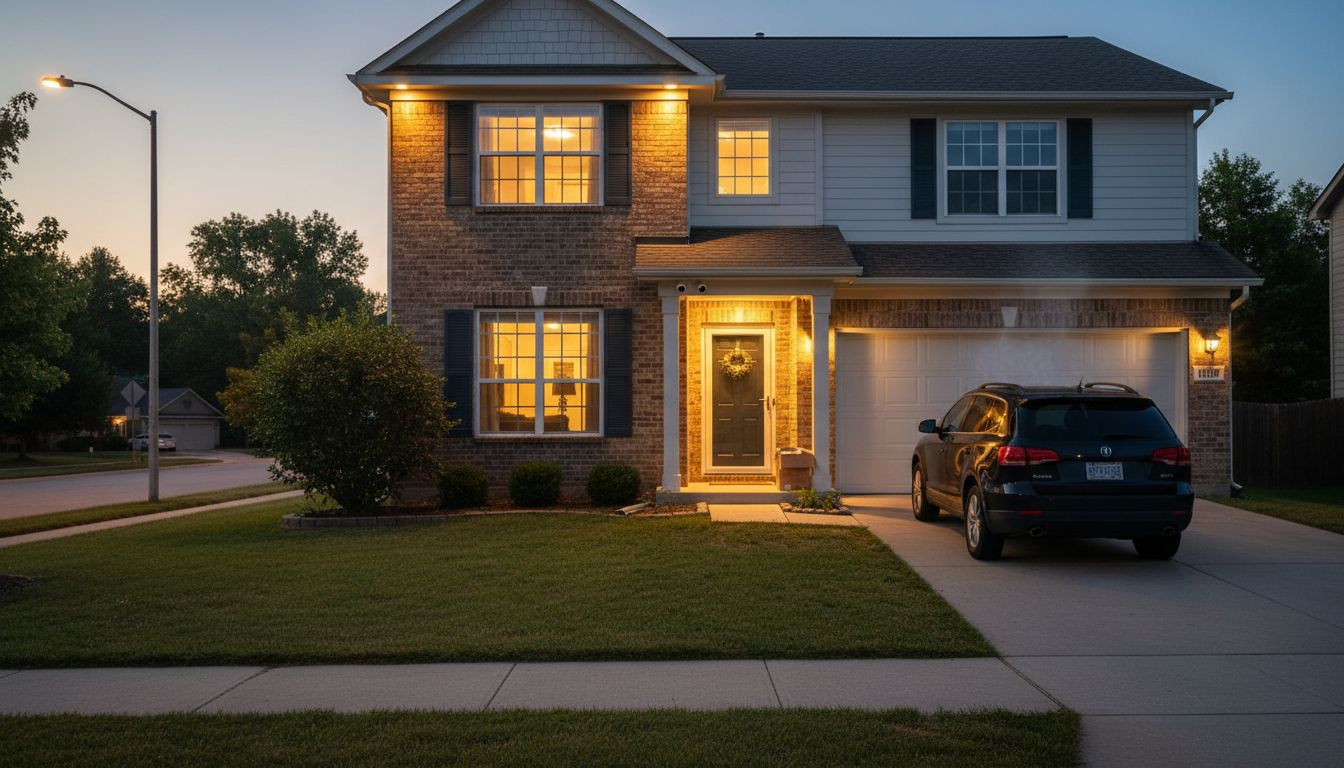
Upgrading your home should feel rewarding, not confusing, especially when you start exploring the role of sensors in smart homes and how they support real-world automation. With the growing importance of home environments for work, family, and relaxation, understanding the role of sensors in smart homes is key to making your space safer and more energy efficient. Smart home sensors act as the nervous system behind these improvements, delivering automation and peace of mind through continuous monitoring and smart responses. Learn how these user-friendly devices transform Canadian and American homes with seamless control, practical benefits, and smarter living.
Table of Contents
- What Are Sensors in Smart Homes?
- Major Types of Home Sensors Explained
- How Home Sensors Enable Automation
- Security and Privacy Considerations
- Installation Costs and Common Pitfalls
Role of Sensors in Smart Homes – Key Takeaways
| Point | Details |
|---|---|
| Smart home sensors | These devices monitor the home environment, enhancing security, comfort, and energy efficiency through automation. |
| Types of sensors | Key sensors include motion, temperature, humidity, occupancy, and water leak sensors, each serving unique purposes in home management. |
| Automation process | Successful automation requires data collection, analysis, and action to create responsive living environments. |
| Security and installation | Homeowners should prioritize robust security measures and budget for installation and ongoing maintenance to avoid common pitfalls. |
What Are Sensors in Smart Homes?
Smart home sensors are sophisticated electronic devices designed to monitor and track changes in your home environment, transforming ordinary living spaces into intelligent, responsive systems. These small yet powerful components act as the nervous system of modern smart home technology, collecting data and enabling automated responses that enhance security, comfort, and energy efficiency.
At their core, sensors detect and measure various environmental stimuli, converting physical signals into actionable data. These technological marvels can sense a wide range of parameters, including:
- Motion detection for security and automation
- Temperature monitoring for climate control
- Humidity tracking for comfort and preservation
- Air quality measurement
- Light levels for energy management
- Sound and vibration sensing
The primary function of these sensors goes beyond simple observation. They work seamlessly to create a network of intelligent responses, allowing your home to react dynamically to changing conditions. For instance, a motion sensor can trigger lights, a temperature sensor can adjust your thermostat, and an occupancy sensor can manage energy consumption by powering down unused rooms.
Technological Integration plays a crucial role in how these sensors communicate. Most modern smart home sensors utilize wireless protocols like Zigbee, Z-Wave, or Wi-Fi to transmit data to a central hub or smartphone app, enabling real-time monitoring and control from anywhere in the world.

Pro tip: When selecting smart home sensors, prioritize compatibility with your existing smart home ecosystem and consider factors like battery life, communication range, and specific feature requirements.
Role of Sensors in Smart Homes – Major Types of Home Sensors Explained
Smart home sensors come in a diverse array of specialized types, each designed to address specific home monitoring and automation needs. Home automation systems leverage multiple sensor technologies to create intelligent, responsive living environments that enhance security, comfort, and energy efficiency.
The primary categories of home sensors include:
- Motion Sensors: Detect movement and trigger security alerts or automation
- Temperature Sensors: Monitor ambient temperature for climate control
- Humidity Sensors: Track moisture levels for comfort and preservation
- Occupancy Sensors: Determine room usage for energy management
- Light Sensors: Adjust lighting based on ambient conditions
- Door/Window Sensors: Monitor entry points for security
- Water Leak Sensors: Detect potential water damage early
- Smoke and Gas Sensors: Provide critical safety monitoring
Each sensor type serves a unique purpose in creating a comprehensive smart home ecosystem.
Motion sensors, for instance, can activate lights, trigger security cameras, or send smartphone alerts when unexpected movement is detected. Temperature and humidity sensors work together to maintain optimal indoor climate, automatically adjusting heating and cooling systems for maximum comfort and energy efficiency.

Here’s a comparison of major smart home sensor types and the unique benefits they bring:
| Sensor Type | Main Purpose | Key Benefit |
|---|---|---|
| Motion | Detects movement | Enhances security, automates lights |
| Temperature | Monitors ambient climate | Optimizes comfort and savings |
| Humidity | Tracks moisture levels | Prevents mold, improves air |
| Occupancy | Senses room usage | Reduces energy waste |
| Light | Measures brightness | Manages lighting efficiency |
| Door/Window | Checks entry points | Alerts on unauthorized access |
| Water Leak | Detects leaks early | Limits property damage |
| Smoke/Gas | Monitors safety hazards | Early warning, protects lives |
Multipurpose sensors represent the next evolution in smart home technology, combining multiple detection capabilities into a single device. These advanced sensors can simultaneously track temperature, humidity, motion, and air quality, providing a more holistic approach to home monitoring and automation.
Pro tip: When designing your smart home sensor network, consider purchasing sensors that use compatible wireless protocols to ensure seamless communication and integration.
How Home Sensors Enable Automation
IoT-integrated smart home automation systems transform traditional living spaces into intelligent environments by leveraging sensor networks that continuously collect and analyze environmental data. These sophisticated systems bridge the gap between passive living spaces and dynamic, responsive homes that can anticipate and adapt to occupants’ needs.
The automation process typically involves three critical stages:
- Data Collection: Sensors gather real-time information about environmental conditions
- Analysis: Central systems process and interpret sensor data
- Action: Smart devices execute automated responses based on analyzed information
Specific automation scenarios demonstrate the power of sensor technologies. For instance, a motion sensor can trigger multiple actions simultaneously: turning on lights when someone enters a room, adjusting thermostat settings based on occupancy, and sending security alerts if unexpected movement occurs during nighttime hours. Temperature and humidity sensors work together to maintain optimal indoor climate, automatically adjusting heating and cooling systems for maximum comfort and energy efficiency.
Advanced smart home systems integrate multiple sensor types to create complex, intelligent automation sequences. A comprehensive approach might involve combining motion, temperature, light, and occupancy sensors to create nuanced, context-aware home environments that respond intelligently to changing conditions.
Pro tip: Select sensors with robust communication protocols like Zigbee or Z-Wave to ensure seamless integration and reliable automation across different device brands.
Security and Privacy Considerations
IoT sensor adoption in smart homes introduces significant privacy challenges that demand careful consideration by homeowners. The convenience of intelligent home systems comes with potential risks, including unauthorized data collection, potential device vulnerabilities, and the risk of personal information exposure.
The primary security and privacy concerns include:
- Data Collection Risks: Sensors gathering extensive personal information
- Network Vulnerabilities: Potential entry points for cyber attacks
- Device Hacking Potential: Unauthorized access to home systems
- Location and Behavior Tracking: Detailed insights into occupant patterns
- Third-Party Data Sharing: Potential misuse of collected information
Homeowners must implement strategic protections to mitigate these risks. This includes using strong, unique passwords for each device, regularly updating firmware, and carefully reviewing privacy settings. Encryption technologies and secure communication protocols can significantly reduce the likelihood of unauthorized data access, creating a more robust defense against potential security breaches.
Advanced smart home systems now incorporate multi-layered security approaches that combine technical safeguards with user-centric privacy controls. These include advanced encryption methods, two-factor authentication, and granular permission settings that allow homeowners to precisely control what data is collected and shared.
Pro tip: Conduct a comprehensive privacy audit of your smart home devices every six months, reviewing permissions, updating passwords, and checking for any outdated firmware.
Role of Sensors in Smart Homes -Installation Costs and Common Pitfalls
Smart home sensor infrastructure presents significant installation challenges that can quickly escalate costs and complexity for homeowners. The initial investment extends beyond simply purchasing devices, encompassing professional installation, system integration, and ongoing maintenance requirements.
The primary cost considerations and potential pitfalls include:
- Hardware Expenses: Initial sensor and device purchases
- Professional Installation: Potential need for specialized technician services
- Wireless Network Infrastructure: Robust Wi-Fi or mesh network requirements
- Compatibility Challenges: Ensuring devices work together seamlessly
- Ongoing Maintenance: Regular firmware updates and potential device replacements
- Electrical Modifications: Potential need for additional outlets or wiring
Budget-conscious homeowners should carefully evaluate their specific needs and technical capabilities before investing. Some sensors require professional installation, while others can be easily set up as do-it-yourself projects. The complexity often depends on the sophistication of the system and the existing home infrastructure.
The table below summarizes common installation pitfalls and strategies to avoid them:
| Pitfall | Impact on Homeowners | How to Prevent |
|---|---|---|
| Compatibility issues | Devices may not communicate | Choose standard protocols |
| Poor network coverage | Automation failures | Use mesh networks/extensions |
| Underestimating total cost | Unexpected expenses | Build a detailed project budget |
| Skipping firmware updates | Security vulnerabilities | Schedule regular device checks |
Many homeowners underestimate the importance of long-term compatibility and scalability. Choosing sensors and systems that support standard communication protocols like Zigbee or Z-Wave can help mitigate future integration challenges and reduce overall implementation costs.
Pro tip: Create a comprehensive budget that includes not just device costs, but also potential installation expenses, network upgrades, and a 20% contingency for unexpected technical challenges.
Secure and Optimize Your Smart Home with Expert Guidance
Managing smart home sensors can feel overwhelming with all the options and technical challenges. This article highlights key issues such as compatibility, security, and automation that every homeowner faces when integrating sensors to enhance safety and efficiency. If you want to confidently overcome these hurdles while creating a seamless and secure smart home system, expert advice is essential. Understanding terms like motion sensors, Zigbee communication, and privacy safeguards is just the start—putting that knowledge into action is where many get stuck.

Discover how to transform your home into a truly smart environment by exploring The Complete Smart Home Automation Master Guide Archives – Smart Home HQ for detailed strategies on sensor selection and installation. Protect your household by diving into advanced security methods at Smart Home Safety Archives – Smart Home HQ and get familiar with the essential devices at Core Device Categories Archives – Smart Home HQ. Don’t wait to address the critical balance between convenience and privacy.
Start building your reliable sensor network today with proven tips and product recommendations from Smart Home HQ so you can enjoy peace of mind, convenience, and energy savings all in one smart home setup.
Frequently Asked Questions
What are the different types of sensors used in smart homes?
Smart homes utilize various sensors, including motion sensors, temperature sensors, humidity sensors, occupancy sensors, light sensors, door/window sensors, water leak sensors, and smoke/gas sensors. Each type serves a unique purpose, enhancing security and energy efficiency.
How do smart home sensors improve energy efficiency?
Smart home sensors improve energy efficiency by automatically adjusting heating, cooling, and lighting based on real-time data. For example, occupancy sensors can turn off lights and appliances in unoccupied rooms, while temperature sensors help maintain optimal climate control, reducing energy consumption.
What are the security concerns associated with smart home sensors?
Security concerns include unauthorized data collection, network vulnerabilities, device hacking potential, and location tracking of occupants. Homeowners should implement strong passwords, update firmware regularly, and use secure communication protocols to mitigate these risks.
How can I ensure my smart home sensors work together seamlessly?
To ensure seamless communication between smart home sensors, choose devices that use compatible wireless protocols such as Zigbee or Z-Wave. Additionally, proper installation and regular maintenance can help prevent compatibility issues over time.
Recommended
- Why Smart Home Security Matters for Urban Living
- What Is Smart Home Security: Protecting Your Home with Tech
- Why Prioritize Smart Home Security Now
- Shutters and Home Security: UK Guide for Safer Homes 2025 | Shutter World
- Why Upgrade Door Security – Protecting Bristol Homes