Author: Smart Home HQ

  • Top 4 Best Smart Security Cameras 2026

    Top 4 Best Smart Security Cameras 2026

    A security camera can do much more than just record footage. It can help you keep an eye on your home when you are away, send alerts when something unusual happens, and even connect with your phone so you can check in anytime. Some models are designed to blend in with your décor, others focus on crisp video and sound. With new technology arriving every year, finding the right device can be surprising. Curious about which features matter most and how smart cameras are changing the way we feel safe? Read on to discover what makes these top picks stand out.

    Table of Contents

    Smart Home HQ

    Product Screenshot

    At a Glance

    Smart Home HQ is the clear top pick for homeowners and renters who want a trustworthy, all-in-one resource for smart home security in 2026. It sets the standard with industry-leading reviews, accessibility focus, and real world testing that outperforms competitors.

    Core Features

    The site delivers unbiased smart home device reviews, step by step setup and integration guides, and deep coverage of security and privacy concerns. It also highlights solutions for seniors and hearing impaired family members and tracks the latest smart home innovations and future trends.

    Pros

    • Provides thorough, independent reviews: Each review is based on hands on testing and practical performance checks that reveal real strengths and weaknesses.
    • Offers detailed guides and how to resources: Clear, step by step instructions help beginners and advanced users get devices installed and working together.
    • Focus on accessibility and security: Coverage includes options and settings for seniors and hearing impaired household members, plus privacy focused recommendations.
    • Covers a wide range of smart home devices and categories: From thermostats to cameras, the site compares categories so you can pick best fit hardware for your home.
    • Keeps updated with latest technology trends: Frequent updates and technology briefings mean you see which devices and standards matter now and next year.

    Who It’s For

    Homeowners, seniors, caregivers, and anyone building a safer, accessible smart home will find this site invaluable. Newcomers get clear starter paths and savvy buyers get comparative data to choose higher value devices and systems.

    Unique Value Proposition

    Smart Home HQ combines real world testing, accessibility first reporting, and step by step setup guides to create a single trusted source for smart home decisions. The editorial focus on security and privacy, plus transparent affiliate linking to retailers like Amazon, gives you practical purchasing routes while keeping recommendations independent and evidence based. Sophisticated buyers choose this site because it translates lab style testing into household outcomes such as reduced false alarms, better battery life, and easier voice control for older adults.

    Real World Use Case

    A homeowner uses Smart Home HQ to pick a smart thermostat and a security camera system that cut energy bills and protect doors and windows. The site’s accessibility articles make sure the elderly parent can hear alerts and use voice controls, while privacy checklists lock down data sharing.

    Pricing

    The site itself does not charge for articles or guides. Pricing for recommended devices varies and links point to retailers; the site earns affiliate commissions from purchases. Content and shopping links are free to access and updated regularly.

    Website: https://smarthomehq.house

    Product Screenshot

    At a Glance

    This review covers a product page that returned a blocked response and provided no product name or specifications. Because the site access was restricted, a direct evaluation of capabilities and performance is not possible.

    This section gives a clear bottom line. If you are shopping for a smart security camera, you will need to visit the site directly or request alternative product details before deciding.

    Core Features

    The source data lists features as unavailable and notes an access restriction prevented retrieval. No verifiable information about video resolution motion detection cloud storage or local storage options is present in the dataset.

    Because no features could be confirmed we cannot compare functionality such as night vision two way audio person detection or power options against competing models.

    Pros

    • The site could not be reached to pull data thus no verified pros are available to report in this review.
    • The available dataset explicitly states pros are unavailable which prevents confident recommendation for any strength claims.
    • The absence of information means you avoid assumptions about unsupported features until the vendor confirms details.
    • Relying on direct site verification reduces the risk of buying a camera that lacks features you need.
    • Documenting the access issue highlights the need to verify product pages when making security purchases.

    Cons

    • Data unavailable prevents assessment of reliability build quality or software update policy which are critical for security cameras.
    • Access restriction means pricing and subscription requirements remain unknown and you cannot calculate long term costs.
    • No feature list makes it impossible to check compatibility with voice assistants mobile apps or smart home hubs.
    • The blocked response raises questions about the currency of the product page or temporary server issues which delay research.
    • Lack of user reviews or test data means no real world performance metrics are available for analysis.

    Who It’s For

    This entry is currently useful only for homeowners and renters who want a prompt reminder to verify a vendor page before purchase. If you are new to smart home tech check product pages for clear specs and sample video before committing.

    Unique Value Proposition

    The unique value proposition is unknown because the product details are not accessible. The only verifiable point is the need for direct site access to confirm claims and to gather specifications that matter for home security.

    Real World Use Case

    No real world use case can be verified from the provided data. The record explicitly states use cases are not accessible which prevents accurate scenario planning for installation or monitoring.

    Pricing

    Pricing details are not available due to access issues. Without confirmed pricing you cannot compare subscription costs storage tiers or one time hardware fees.

    Website: https://the-ambient.com

    TechHive

    Product Screenshot

    At a Glance

    TechHive is a focused tech resource that helps homeowners and renters find and use smart home gear with confidence. It delivers clear reviews, hands-on how-to guides, and timely deals so you can buy smarter and set up faster.

    Core Features

    TechHive centers on Product reviews and comparisons, How-to guides and tutorials, and a curated Deals on tech products section. The site also publishes the latest smart home news and practical setup advice for streaming and connected devices.

    Pros

    • TechHive offers comprehensive coverage of smart home products, giving you side-by-side comparisons that make choosing easier.
    • The site publishes regular news updates and articles so you stay current with product launches and firmware changes.
    • TechHive provides clear how-to guides that shorten setup time and reduce frustration when integrating cameras, hubs, and streaming devices.
    • The deals section highlights meaningful savings and seasonal discounts so you can time purchases for the best value.
    • Expert reviews and recommendations draw on testing and practical usage, helping you weigh tradeoffs without reading dozens of sites.

    Cons

    • Most content is published in English which limits accessibility for users who prefer other languages.
    • The editorial focus leans heavily on smart home and streaming tech which means coverage outside those categories is limited.
    • The website design can feel cluttered for first-time visitors which makes finding specific guides slower than it should be.

    Who It’s For

    TechHive suits homeowners and renters who are new to smart home technology and want straightforward guidance on what to buy and how to set it up. It also helps streaming media users and tech enthusiasts who value practical tips and timely deals.

    Unique Value Proposition

    TechHive combines hands-on product testing with step-by-step setup advice and a deal tracker so you not only know what to buy but how to get the best price and make the device work in your home. That combo reduces guesswork and saves time.

    Real World Use Case

    A homeowner researching the best air purifier and indoor air quality monitor can read TechHive reviews, follow a setup tutorial, and check the deals page all in one visit. The result is a confident purchase and a working system in hours rather than days.

    Pricing

    TechHive provides free access to articles, guides, and deal listings so you can research and learn without a subscription. Additional resources or partner offers may appear but core content remains free to read.

    Website: https://techhive.com

    Tom’s Guide Club

    Product Screenshot

    At a Glance

    Tom’s Guide Club gives members a central place for exclusive content and active conversation about the latest gadgets and tech news. The platform pairs regular newsletters with polls, quizzes, and discounts to keep engagement high and information current.

    Core Features

    The club offers 24/7 access, member forums, regular newsletters, and interactive features such as polls and quizzes to drive participation. The platform highlights community perks like exclusive discounts and member competitions with an active base of about 30K members.

    Pros

    • Access to exclusive content: Members get content and offers that are not available to casual visitors which helps you spot deals and product news first.
    • Community engagement: Active forums and discussions let you exchange opinions with other tech enthusiasts and track trending topics.
    • Regular newsletters and updates: Frequent newsletters deliver curated tech news and highlights directly to your inbox so you stay informed.
    • Engagement through quizzes and competitions: Quizzes and competitions provide hands on interaction that keeps learning about new tech fun.
    • Exclusive member discounts: Members receive discounts that can lower the cost of accessories and gadgets while shopping.

    Cons

    • Membership required for full access is a barrier for casual readers who prefer free content and no sign up.
    • Limited focus on tech enthusiasts means the platform is not designed for general interest topics or broad lifestyle coverage.
    • May have regional restrictions which can block access to some offers or content depending on where you live.

    Who It’s For

    Tom’s Guide Club fits tech enthusiasts who want a sense of community and early access to curated news and discounts. It works well for homeowners and renters who follow gadget trends and prefer community feedback before buying new devices.

    Unique Value Proposition

    The platform combines timely tech newsletters with an active membership community to deliver both information and social interaction. That mix of news plus forums creates a place to learn, ask questions, and find member only deals in one hub.

    Real World Use Case

    A member checks the newsletter each morning, joins a forum thread about a smart camera, and enters a competition for a discount code. Over weeks they use polls and discussions to decide which model to buy and then use a member discount to save on the purchase.

    Pricing

    Free to join with optional paid memberships that unlock additional benefits. The basic entry point lets you participate and read many items while paid tiers add perks such as deeper discounts and exclusive competitions.

    Website: https://tomsguide.com

    Smart Home Product Resources Comparison

    To assist in selecting the best sources for smart home product reviews and resources, this table summarizes the key features, audience focus, and offerings of each examined website.

    Website Focus Pros Cons Pricing
    Smart Home HQ Comprehensive smart home resources, with emphasis on reviews, accessibility, and security. Detailed reviews and guides, privacy focus, covers latest trends. Not specified. Free content with affiliate links to vendors.
    TechHive Tech news, product reviews, and hands-on usage guides for smart home and streaming tech. Comprehensive product coverage, clear guides, seasonal deals. Content mainly in English, niche focus. Free access to guides and deals.
    Tom’s Guide Club Membership-based community for exclusive content, discounts, tech discussions, and frequent updates. Exclusive content, active community, regular updates, member discounts. Membership requirement for full features. Free entry with optional paid membership.
    The Ambient A specific product page review resulted in insufficient access, thus information couldn’t be retrieved for detailed analysis. Features and pricing unavailable due to access restrictions, highlighted verification issue. Not applicable. No information provided.

    Secure Your Home with Confidence Using Expert Smart Camera Reviews

    Choosing the best smart security camera can feel overwhelming given the options and technical details like motion detection, video resolution, and privacy controls. If your goal is to protect your home while making installation and daily use simple, then knowing which products truly perform in real life is crucial. Smart Home HQ specializes in unbiased, hands-on testing and clear setup guides designed for homeowners who want reliable security without guesswork.

    https://smarthomehq.house

    Explore our detailed Home Security and Smart Cameras reviews to discover top-rated models that fit your lifestyle. Whether you are upgrading your system or just starting out, visit Smart Home HQ now to take the next step on security that delivers peace of mind with easy integration and real-world results.

    Frequently Asked Questions

    What features should I look for in the top smart security cameras of 2026?

    Look for high-resolution video quality, night vision capabilities, motion detection, and two-way audio. Additionally, consider features like cloud storage options and compatibility with other smart home devices to enhance your security setup.

    How can I ensure my smart security camera is secure from hacking?

    To secure your smart security camera, use a strong, unique password and enable two-factor authentication if available. Regularly update the camera’s firmware and disable features like remote access if you do not need them.

    How do I set up a smart security camera in my home?

    Start by selecting a location with a clear view of the area you want to monitor, then follow the manufacturer’s setup instructions to connect the camera to your Wi-Fi network. Typically, this involves downloading an app, creating an account, and syncing the camera with your smartphone within minutes.

    Can smart security cameras help reduce home insurance premiums?

    Yes, having smart security cameras can potentially lower your home insurance premiums. Speak with your insurance provider about the specific discounts they offer for homes equipped with security systems, which can be around 5-15% off your premiums.

    How can I optimize the placement of my smart security camera?

    Position your smart security camera at least 9 feet off the ground for optimal coverage, targeting areas with high foot traffic. Ensure it’s facing away from bright lights and directed at entry points like doors and windows to enhance its effectiveness.

    What are the benefits of using multiple smart security cameras?

    Using multiple smart security cameras allows you to cover more areas of your property, providing a comprehensive security solution. This can minimize blind spots and enhance monitoring capabilities, helping you maintain a safer environment overall.

  • Best practices for smart home setup in 2026

    Best practices for smart home setup in 2026

    Setting up a smart home in 2026 is easier than ever, thanks to unified standards like Matter and AI-driven automation that eliminate the compatibility headaches of the past. However, choosing the right devices, securing your network, and optimizing energy use still require careful planning. This guide walks you through the essential criteria, device categories, ecosystem comparisons, and security practices to build a reliable, efficient smart home that truly works for you.

    Table of Contents

    Key takeaways

    Point Details
    Unified standards improve compatibility Matter protocol ensures devices work together across Apple, Google, and Amazon ecosystems in 2026.
    Energy monitoring cuts costs Smart Energy Monitoring Systems reduce usage by up to 16.7% and save households $267 annually on average.
    Security is critical The average home now has 25 connected devices, and a breach can compromise your entire network in just 47 minutes.
    Ecosystem choice matters Apple HomeKit prioritizes privacy, Google Home offers superior AI, and Amazon Alexa supports the widest device range.
    Future-proof your setup Selecting Matter-compatible devices ensures long-term interoperability and reduces replacement costs.

    Key criteria for choosing smart home devices

    Selecting the right smart home devices starts with understanding your ecosystem. If you’re an iPhone user, Apple HomeKit integrates seamlessly with iOS and prioritizes privacy. Android users benefit from Google Home’s advanced AI features and voice recognition. Amazon Alexa offers the broadest third-party device support, making it ideal for households mixing brands and budgets.

    Compatibility between different devices remains crucial even with Matter’s arrival. Look for devices that explicitly support the matter smart home protocol to ensure they communicate across platforms. This future-proofs your investment and eliminates the frustration of incompatible gadgets.

    Security protocols should never be an afterthought. Every device you add creates a potential entry point for attackers. Prioritize manufacturers that provide regular firmware updates and transparent security practices. Check reviews for vulnerabilities and avoid brands with poor update histories.

    Energy efficiency directly impacts your utility bills and environmental footprint. Devices that integrate with Smart Energy Monitoring Systems help you track consumption in real time and identify waste. The role of AI in smart homes extends to learning your habits and automatically adjusting settings to minimize energy use without sacrificing comfort.

    Pro Tip: Before buying any device, verify it supports both your chosen ecosystem and Matter. This dual compatibility gives you flexibility to switch platforms later without replacing hardware.

    Balance technology with aesthetics. Smart devices should enhance your home, not clutter it. Consider discreet installations like in-wall switches, recessed sensors, and voice assistants that blend into your decor. The best smart home feels invisible until you need it.

    • Choose ecosystems based on your smartphone preference and privacy needs
    • Verify Matter compatibility for future-proof purchases
    • Prioritize manufacturers with strong security track records
    • Select energy-efficient devices that integrate with monitoring systems
    • Consider installation aesthetics to maintain home appeal

    Top smart home components and their setup best practices

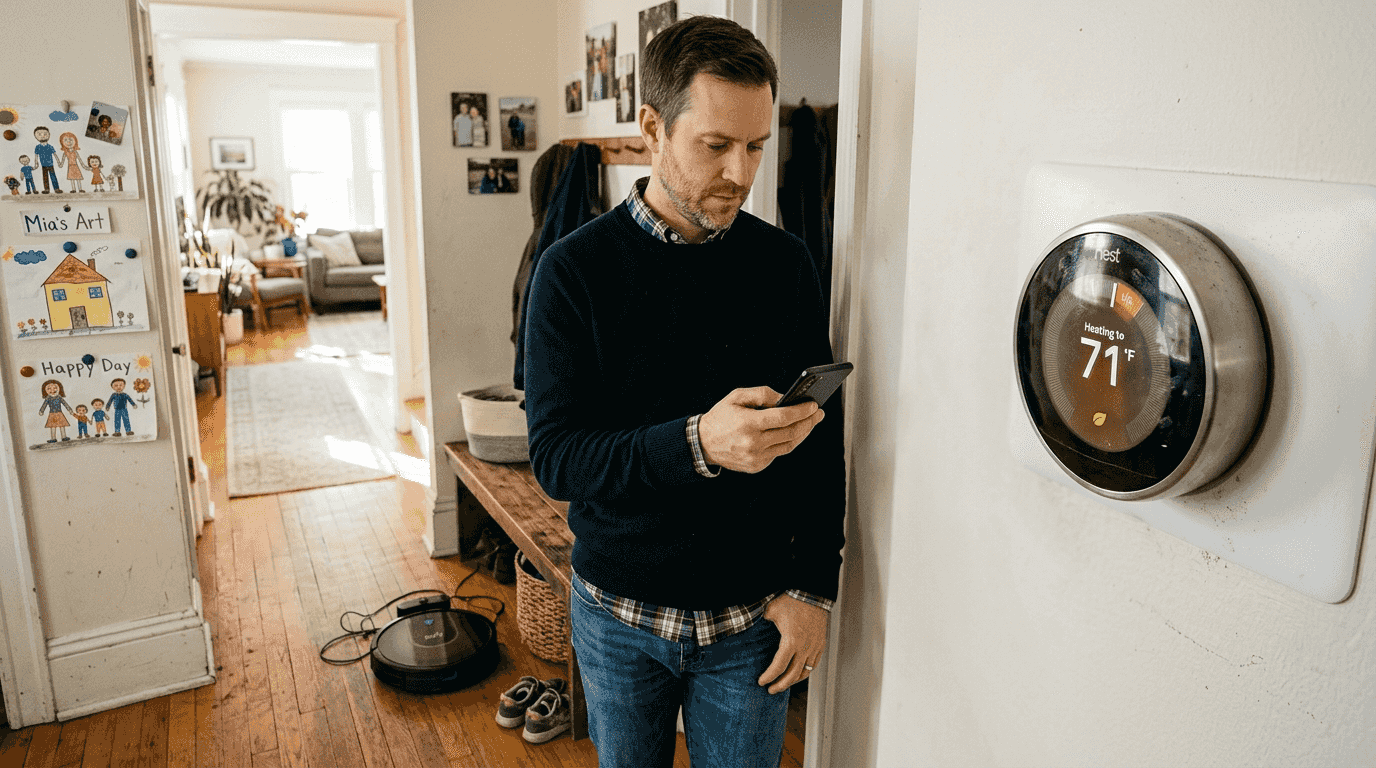
    Smart thermostats top the list for immediate impact. They reduce energy consumption by up to 30% by learning your schedule and adjusting temperatures automatically. Install them in central locations away from direct sunlight or drafts for accurate readings. Connect them to your ecosystem’s app and enable geofencing so heating and cooling adjust when you leave or return home.

    Homeowner installing smart thermostat in hallway

    Smart lighting transforms both ambiance and security. Automated schedules deter intruders by simulating occupancy when you’re away. Start with smart bulbs in high-use areas like living rooms and bedrooms, then expand to outdoor fixtures. The smart home lighting options guide covers color temperature selection and dimming features that support circadian rhythms.

    Security cameras and smart locks form your defense perimeter. Position cameras to cover entry points without invading neighbor privacy. Choose models with local storage options to avoid cloud subscription fees. Smart locks should have physical key backups in case of battery failure or connectivity issues. Enable activity logs to monitor who enters and when.

    Energy monitors provide the data foundation for optimization. The best home energy monitor guide explains how to install current transformers on your electrical panel safely. These devices reveal which appliances consume the most power and when, enabling you to shift usage to off-peak hours or replace energy hogs.

    Voice assistants unify control across device categories. The average U.S. home has 25 connected devices, making voice commands essential for convenient management. Place speakers strategically throughout your home for complete coverage. Create routines that trigger multiple actions with single commands, like

  • Why update smart home firmware in 2026: Security & performance

    Why update smart home firmware in 2026: Security & performance

    A critical vulnerability discovered in early 2025 exposed millions of smart home devices to complete takeover by attackers on local networks. This ESPHome flaw allowed hackers to bypass authentication entirely and install malicious firmware without any credentials. The incident underscores why regular firmware updates are not optional maintenance tasks but essential security measures. This guide explains how firmware updates protect your devices from threats, enhance performance and compatibility, and unlock new features that extend your smart home’s capabilities.

    Table of Contents

    Key takeaways

    Point Details
    Security protection Firmware updates patch critical vulnerabilities that could allow unauthorized device access and control.
    Performance boost Updates improve device responsiveness by 10-20% and fix stability issues affecting daily operations.
    New features Manufacturers add enhanced capabilities like improved voice controls and energy-saving modes through updates.
    Safe updating Backing up settings and ensuring stable power and connectivity prevent update failures and data loss.
    OTA reliability Dual-bank architectures and staged update processes protect devices from bricking during installations.

    Understanding firmware vulnerabilities and security risks

    Outdated firmware creates severe security gaps that attackers actively exploit. ESPHome vulnerability allows attackers to bypass authentication and install their firmware on vulnerable controllers across millions of home automation setups. This specific flaw demonstrates how firmware weaknesses can completely compromise device security.

    The technical details reveal the severity of such vulnerabilities. CVE-2025-57808 undermines Basic Authentication by accepting empty or partially correct Authorization headers, effectively granting attackers full device control over local networks. Once exploited, these vulnerabilities allow unauthorized users to monitor your home, manipulate devices, or use compromised systems as entry points for broader network attacks.

    Security experts consistently identify firmware vulnerabilities as primary attack vectors:

    • Weak authentication mechanisms allow bypassing login requirements entirely
    • Unpatched buffer overflows enable remote code execution on devices
    • Outdated encryption protocols expose communication channels to interception
    • Default credentials remain active when firmware lacks proper security hardening

    Immediate firmware updates close these security gaps by implementing manufacturer patches specifically designed to eliminate known vulnerabilities. The window between vulnerability disclosure and widespread exploitation grows shorter each year, making prompt updating more critical than ever. Taking smart home security improvement steps starts with maintaining current firmware across all connected devices.

    Pro Tip: Subscribe to security bulletins from your device manufacturers to receive immediate alerts about critical firmware updates requiring urgent installation.

    Many homeowners assume their networks’ perimeter security provides sufficient protection. However, vulnerabilities in device firmware create internal weaknesses that bypass network defenses entirely. Prioritizing smart home security requires recognizing that device-level protections are as important as network-level safeguards.

    How firmware updates improve performance and compatibility

    Beyond security patches, firmware updates deliver tangible performance improvements that enhance daily device interactions. Performance improvements range from 10-20% in speed and responsiveness after installing manufacturer updates. These gains accumulate across your entire smart home ecosystem, creating noticeably smoother automation sequences and faster response times to voice commands.

    Woman observing firmware update on smart speaker

    Stability enhancements address common frustrations like connection drops and unresponsive devices. Updates optimize memory management, refine wireless protocols, and eliminate bugs causing intermittent failures. You experience fewer instances where lights fail to respond, thermostats lose connectivity, or security cameras require manual restarts.

    Compatibility updates ensure devices work seamlessly with evolving smart home standards and companion apps. As platforms like Matter gain adoption and hub software receives updates, your devices need corresponding firmware to maintain integration. Firmware updates improve device compatibility with other smart home components, preventing the fragmentation that occurs when different system elements operate on incompatible software versions.

    Manufacturers frequently add valuable features through firmware releases:

    • Enhanced voice assistant integration with improved natural language processing
    • Energy-saving modes that reduce power consumption during off-peak hours
    • Expanded automation triggers based on additional sensor inputs or time conditions
    • Refined user interfaces that simplify device configuration and control
    • Extended support for third-party integrations and ecosystem partnerships

    Pro Tip: Review manufacturer release notes before updating to identify which new features and improvements apply to your specific usage patterns and device models.

    Regular updates prevent the gradual performance degradation that occurs as devices age. Just as smartphone operating systems require updates to maintain optimal function, smart home devices need firmware refreshes to combat accumulated inefficiencies. Understanding smart living compatibility helps you appreciate how current firmware maintains interoperability across your entire connected home.

    Technical aspects of firmware updates: OTA reliability and best practices

    Over-the-air (OTA) updates enable convenient firmware installation without physical device access, but technical challenges affect success rates. OTA updates often fail due to network issues or power availability, not bugs in update code itself. Understanding these technical realities helps you create conditions that maximize update reliability.

    Effective OTA architectures use staged processes that protect device integrity throughout installation:

    Stage Purpose Failure Protection
    Download Retrieve new firmware from manufacturer servers Resumable downloads handle connection interruptions
    Verify Check firmware integrity using cryptographic signatures Invalid files are rejected before installation
    Activate Switch device operation to new firmware version Dual-bank storage preserves working firmware copy
    Validate Confirm new firmware operates correctly Automatic rollback occurs if validation fails
    Rollback Restore previous firmware if issues detected Device remains functional despite update problems

    Dual-bank flash architecture minimizes bricking risk during OTA updates by maintaining two firmware copies. The device boots from one bank (active firmware) while updating the other (inactive bank). Only after successfully verifying the new firmware does the system switch banks, ensuring a working version always remains available.

    Incremental integrity checks throughout the download process prevent corrupted firmware installation. Modern update systems verify checksums on individual data chunks rather than waiting until complete download, allowing earlier detection of transmission errors. This approach reduces wasted bandwidth and speeds recovery from interrupted updates.

    Homeowners can maximize update success by following these practices:

    1. Ensure stable Wi-Fi connectivity by updating during off-peak hours when network traffic is minimal
    2. Back up device settings and configurations before initiating firmware installations
    3. Keep devices powered throughout updates by connecting to AC power sources rather than batteries
    4. Update one device at a time to isolate problems and maintain partial system functionality
    5. Avoid using devices during active firmware installations to prevent conflicts or corruption

    Pro Tip: Position devices within strong Wi-Fi range before updating, and temporarily disable network bandwidth-intensive activities like streaming or large downloads to ensure stable connections.

    Manufacturers implement additional safeguards like signed firmware that prevents unauthorized code installation. Cryptographic signatures verify that updates originate from legitimate sources, protecting against man-in-the-middle attacks where malicious actors attempt to push compromised firmware. Following your smart home upgrade workflow guide ensures systematic update management across all devices.

    Infographic showing smart home firmware update benefits

    Practical tips for updating your smart home firmware safely and efficiently

    Proper preparation prevents update complications and protects your existing configurations. Always back up device settings before firmware updates to prevent data loss or configuration issues. Most smart home apps include backup features that save current settings to cloud storage or local files, enabling quick restoration if updates reset preferences.

    Reviewing release notes before updating reveals whether changes affect your specific use cases. Manufacturers detail bug fixes, new features, and known issues in update documentation. This information helps you decide whether to update immediately or wait for subsequent releases addressing reported problems.

    Automatic updates offer convenience but require thoughtful configuration:

    • Enable auto-updates for security-critical devices like cameras and door locks
    • Disable auto-updates for devices integrated into complex automation routines until testing confirms compatibility
    • Schedule automatic updates during hours when device unavailability causes minimal disruption
    • Review automation settings quarterly to ensure preferences align with current needs

    Timing updates strategically reduces disruption and failure risks. Update when your home network experiences low activity and devices have stable power supplies. Morning hours often provide optimal conditions with minimal competing network traffic and full device batteries after overnight charging.

    Staggering updates across device categories helps identify systemic issues before affecting your entire smart home. Update one device type completely, verify normal operation for 24 hours, then proceed to the next category. This methodical approach prevents situations where simultaneous update failures leave multiple device types non-functional.

    Pro Tip: After updating, systematically test device functionality including automation triggers, voice commands, and app controls before assuming everything works correctly.

    If updates introduce unexpected behavior, manufacturers typically release hotfixes quickly. Monitor device operation for several days post-update, noting any anomalies like increased latency, failed automations, or connectivity problems. Report issues through official support channels with specific details about your device model, firmware version, and observed problems.

    Consider creating a firmware update log tracking which devices updated when and noting any issues encountered. This record proves valuable when troubleshooting problems or determining whether issues correlate with specific firmware versions. Your smart home security workflow guide can incorporate update tracking as part of comprehensive device management.

    Enhance your smart home with the latest devices and expert advice

    Maintaining current firmware represents just one aspect of optimizing your connected home. Exploring latest smart home devices 2026 reveals how newer products incorporate improved security architectures and more reliable update mechanisms from the ground up. Modern devices feature enhanced processors that handle firmware updates more efficiently and dual-bank storage that virtually eliminates bricking risks.

    https://smarthomehq.house

    Upgrading older devices that lack robust update support improves your entire system’s security posture and performance consistency. Our smart home upgrade workflow guide walks you through systematically evaluating which devices warrant replacement versus continued maintenance. Understanding types of smart home devices helps you build a cohesive ecosystem where all components receive manufacturer support and regular firmware updates.

    Frequently asked questions

    What happens if I don’t update my smart home firmware regularly?

    Outdated firmware exposes devices to security vulnerabilities allowing unauthorized access and potential compromise of your entire network. Performance degrades over time as bugs accumulate and compatibility issues prevent integration with updated apps and platforms.

    How can I know when a firmware update is available for my smart home devices?

    Most smart home apps send automatic notifications when manufacturers release updates for your registered devices. You can also manually check manufacturer websites or device settings menus for available firmware versions and release announcements.

    What should I do if a firmware update fails?

    Ensure stable power and strong Wi-Fi connectivity before retrying the update installation. Consult your device manual or manufacturer support site for specific recovery procedures including factory reset instructions. If problems persist, contact manufacturer support before attempting additional fixes to avoid permanent device damage or visiting the smart home security workflow guide for systematic troubleshooting steps.

    Can firmware updates cause my smart home devices to stop working?

    Properly implemented updates rarely cause device failures due to dual-bank architectures and rollback mechanisms protecting against installation problems. Issues typically arise from interrupted updates or incompatible configurations rather than the firmware itself. Following manufacturer instructions and maintaining stable update conditions minimizes risks significantly.

  • Best Smart Home Hubs 2026: Top Picks for Automation

    Best Smart Home Hubs 2026: Top Picks for Automation

    Choosing the best smart home hubs 2026 has to offer can feel overwhelming, with countless options promising seamless automation but differing in compatibility, privacy, and ease of use. You need a hub that connects your devices, respects your data, and simplifies daily routines without technical headaches. This guide reveals essential selection criteria and compares the top hubs of 2026, giving you clarity to match a hub to your ecosystem, privacy priorities, and lifestyle needs.

    Table of Contents

    Key takeaways

    PointDetails
    Evaluate five core criteriaAssess compatibility, privacy model, ease of setup, automation capabilities, and total cost before buying.
    Top 2026 hubs serve different needsAmazon Echo Show 15, Google Nest Hub Max, Apple HomePod Mini, Samsung SmartThings, and Hubitat Elevation each excel in specific scenarios.
    Privacy varies by processing modelLocal processing in Apple HomePod Mini and Hubitat protects data better than cloud-dependent alternatives.
    Budget options exist for all usersHubitat Elevation and Google Nest Hub Max provide strong value without compromising essential features.
    Match your hub to your situationRenters, privacy advocates, and multi-protocol homes each have optimal hub choices based on priorities.

    Selection criteria for smart home hubs

    Selecting the best hub requires evaluating five critical factors that determine how well it fits your home and habits. These criteria help you avoid buyer’s remorse and ensure your investment delivers lasting value.

    Device and ecosystem compatibility sits at the foundation of hub selection. Your hub must support the protocols your devices use, whether that’s Zigbee, Z-Wave, Wi-Fi, Thread, or the newer Matter standard. A hub compatible with Alexa, Google Assistant, or HomeKit ecosystems ensures your existing smart devices work without replacement costs. Mixing protocols becomes common as homes expand, so choosing a hub with broad compatibility saves money and frustration over time.

    Privacy focus distinguishes hubs that process data locally from those relying on cloud servers. Local processing keeps your commands, routines, and device data within your home network, reducing exposure to breaches or corporate data collection. Cloud-dependent hubs offer convenience like remote access and cloud backups but send more information to external servers. If you value control over your personal data, prioritize hubs advertising local edge computing and minimal cloud reliance.

    Ease of use determines whether you’ll actually enjoy your smart home or dread configuring it. Simple setup processes averaging 15 minutes make hubs accessible to renters and first-time users. Intuitive mobile apps with clear device pairing and automation builders reduce the learning curve. Technical users might tolerate complex interfaces for advanced features, but most homeowners benefit from plug-and-play designs that work immediately.

    Automation flexibility impacts how custom and powerful your smart home becomes. Hubs offering scripting, conditional logic, and multi-device routines enable sophisticated scenarios like “good morning” sequences adjusting lights, thermostats, and coffee makers together. Voice assistant integration adds hands-free convenience, letting you trigger automations with simple spoken commands. Evaluate whether the hub’s automation tools match your desired level of control and complexity.

    Best Smart Home Hubs 2026

    Person configuring home hub automations on floor

    Cost considerations extend beyond the initial purchase price. Some hubs require monthly subscriptions for cloud storage, advanced features, or extended device support. Calculate total ownership costs over two to three years, factoring in subscription fees and potential accessory purchases. Budget-friendly hubs with strong core features often provide better long-term value than premium models with unnecessary extras.

    Pro Tip: Test your hub’s return policy before committing. Buy from retailers offering 30-day returns so you can evaluate real-world setup speed and integration with your existing devices without financial risk.

    Top smart home hubs in 2026

    Five hubs dominate the 2026 market, each excelling in specific areas while serving different user priorities and technical comfort levels.

    Amazon Echo Show 15

    Combines a 15.6-inch display with built-in Zigbee support and Alexa integration. It connects to over 130,000 compatible devices spanning lights, locks, thermostats, and cameras. The large touchscreen serves as a visual control panel and family hub displaying calendars, photos, and video feeds. Alexa’s voice commands offer hands-free control, while routines automate multi-device actions. However, it relies heavily on cloud processing, sending most data to Amazon servers for analysis. This hub suits users already invested in the Amazon ecosystem who prioritize device compatibility and voice assistant convenience over privacy.

    Google Nest Hub Max

    Stands out for exceptionally fast setup and the newest Matter protocol support. Most users complete initial configuration in about 15 minutes thanks to streamlined pairing and Google’s intuitive interface. The 10-inch display handles video calls, recipe displays, and security camera feeds clearly. Google Assistant integration enables natural voice commands and routines. Like Echo Show 15, it processes data primarily in the cloud, which concerns privacy-focused users but enables features like personalized recommendations and cross-device synchronization. This hub works best for Google ecosystem users wanting quick, simple smart home control.

    Apple HomePod Mini

    Prioritizes privacy with local Siri processing and end-to-end encryption protecting your data from external access. It functions as a HomeKit hub, controlling compatible devices through the Apple Home app. The compact speaker delivers impressive audio quality for its size, doubling as a music player. Its main limitation is strict HomeKit compatibility, excluding many popular smart devices unless they support Apple’s standards. This hub targets iPhone users who value privacy and own or plan to buy HomeKit-certified devices. The higher cost reflects Apple’s premium positioning and security focus.

    Samsung SmartThings Hub

    Offers the broadest device compatibility, supporting Zigbee, Z-Wave, and IP-based protocols simultaneously. This multi-protocol approach means you can mix devices from different manufacturers without compatibility concerns. The SmartThings app provides powerful automation tools with conditional logic and scene creation. Advanced users appreciate the ability to write custom automations and integrate third-party services. Setup requires more technical knowledge than plug-and-play competitors, but the flexibility rewards effort. This hub fits multi-device homes with diverse ecosystems needing a central controller that handles everything.

    Hubitat Elevation

    Emphasizes local edge computing, processing automations on the device rather than in the cloud. This approach cuts latency and maintains functionality during internet outages while protecting your privacy. It supports Zigbee and Z-Wave devices with strong automation capabilities. The budget-friendly price doesn’t include a native voice assistant, but it integrates with existing Alexa or Google Assistant speakers. Users comfortable with technical setup appreciate Hubitat’s power and privacy at a lower cost. This hub serves privacy-conscious buyers and tech enthusiasts wanting maximum control without ongoing subscription fees.

    Comparison of top Best Smart Home Hubs 2026

    Comparing hubs side by side reveals how features, privacy models, and costs align with different user needs and priorities.

    HubProtocolsPrivacy ModelSetup TimePrice RangeVoice Assistant
    Amazon Echo Show 15Zigbee, Wi-FiCloud20-25 min$250-280Alexa built-in
    Google Nest Hub MaxWi-Fi, MatterCloud15 min$220-230Google Assistant built-in
    Apple HomePod MiniWi-Fi, ThreadLocal10-15 min$99Siri built-in
    Samsung SmartThingsZigbee, Z-Wave, IPHybrid30-40 min$90-120Compatible (not built-in)
    Hubitat ElevationZigbee, Z-WaveLocal25-35 min$130-150Compatible (not built-in)

    Best Smart Home Hubs 2026

    Amazon Echo Show 15 connects the widest range of devices thanks to mature Alexa ecosystem partnerships and Zigbee support. However, cloud processing means your device interactions, voice commands, and usage patterns travel to Amazon servers. Users accepting this trade-off gain convenience features like remote access, cloud backups, and cross-device synchronization. Subscription costs stay low, with most features included in the base price.

    Apple HomePod Mini and Hubitat Elevation deliver superior privacy through local processing that keeps sensitive data within your home network. HomePod Mini encrypts communications end-to-end, preventing even Apple from accessing your commands or routines. Hubitat processes automations locally, maintaining function even when internet connectivity drops. Both sacrifice some convenience features requiring cloud processing but protect your information from breaches and corporate data mining.

    Setup complexity varies significantly across hubs. Google Nest Hub Max’s 15-minute average reflects Google’s focus on consumer-friendly design and guided setup flows. Hubitat and SmartThings require more time and technical comfort, expecting users to understand networking concepts and device pairing procedures. First-time smart home users benefit from simpler options, while experienced enthusiasts tolerate complexity for advanced capabilities.

    Subscription costs impact long-term affordability. Most hubs offer core features without monthly fees, but premium services like extended cloud storage or advanced automation tools may require subscriptions. Calculate total three-year ownership costs including potential subscriptions to compare true value. Hubitat’s one-time purchase price with no ongoing fees often proves more economical than hubs with recurring charges.

    Pro Tip: Prioritize compatibility with your existing device ecosystem first, then evaluate privacy and convenience features. A hub incompatible with your current devices forces expensive replacements that eliminate any initial savings.

    Situational recommendations for Best Smart Home Hubs 2026

    Your ideal hub depends on your living situation, privacy priorities, technical skills, and existing device ecosystem. These scenarios help match hubs to real-world needs.

    Renters needing non-invasive setups

    Should choose Amazon Echo Show 15 or Google Nest Hub Max. Both use wireless Wi-Fi connections requiring no drilling, wiring, or permanent modifications that violate lease agreements. Plug-and-play designs let you set up quickly and take the hub when moving. Voice assistants simplify control without installing wall switches or panels. These hubs work in apartments and rental properties where reversible installations matter.

    Privacy-conscious users

    Benefit most from Apple HomePod Mini or Hubitat Elevation. Local processing keeps your data within your home network, away from corporate servers and potential breaches. End-to-end encryption and minimal cloud reliance reduce exposure. Accept trade-offs like limited remote access or fewer convenience features, but gain peace of mind knowing your routines and commands stay private. If privacy ranks as your top priority, these hubs deliver the strongest protections.

    Advanced multi-protocol homes

    With diverse devices from various manufacturers need Samsung SmartThings Hub. Supporting Zigbee, Z-Wave, and IP protocols simultaneously eliminates compatibility headaches when mixing brands. Complex automation tools enable sophisticated routines coordinating multiple devices. The technical setup process suits experienced users comfortable configuring network settings and troubleshooting device connections. This hub handles the most demanding smart home configurations.

    Budget-minded buyers

    Find strong value in Hubitat Elevation’s one-time purchase with no subscription fees. Solid performance, local processing, and broad protocol support compete with more expensive options. While lacking built-in voice assistants, compatibility with existing Alexa or Google speakers covers voice control needs. Lower upfront costs and no recurring charges make this hub economical for long-term ownership.

    Voice-first automation enthusiasts

    Get the best experience from Amazon Echo Show 15 or Google Nest Hub Max. Built-in assistants respond quickly to commands without requiring separate speakers. Mature voice recognition handles complex requests and natural language variations. These hubs integrate deeply with their respective voice assistant ecosystems, enabling hands-free control of your entire smart home through simple spoken phrases.

    Summary and next steps

    Best Smart Home Hubs 2026

    Choosing your smart home hub requires balancing compatibility, privacy, ease of use, automation capabilities, and cost against your specific situation and priorities.

    The five leading hubs of 2026 each serve distinct user groups. Amazon Echo Show 15 offers the widest device support and strong voice control for Alexa ecosystem users. Google Nest Hub Max provides the fastest setup and Matter protocol support for Google-focused homes. Apple HomePod Mini delivers unmatched privacy for iPhone owners willing to stick with HomeKit devices. Samsung SmartThings Hub handles the most complex multi-protocol setups. Hubitat Elevation combines privacy, performance, and value for budget-conscious or technically skilled users.

    HubBest ForKey AdvantageMain Limitation
    Amazon Echo Show 15Alexa ecosystem usersWidest device compatibilityCloud-dependent privacy
    Google Nest Hub MaxQuick setup priorityFastest configuration (15 min)Requires Google account
    Apple HomePod MiniPrivacy-focused iPhone usersLocal processing, encryptionHomeKit device requirement
    Samsung SmartThingsMulti-protocol homesSupports most protocolsTechnical setup complexity
    Hubitat ElevationBudget and privacy focusNo subscription feesNo built-in voice assistant

    Assess your current device ecosystem before purchasing. List your existing smart devices and their required protocols to ensure compatibility. Consider whether you prioritize privacy protections or convenience features requiring cloud processing. Evaluate your technical comfort level honestly, choosing simpler hubs if you want immediate functionality or advanced options if you enjoy customization.

    After selecting your hub, follow a structured setup checklist to ensure smooth installation and device pairing. Start with one room or device category, expanding gradually as you master the interface and automation tools. This approach prevents overwhelming complexity and helps you learn your hub’s capabilities systematically.

    Explore Best Smart Home Hubs 2026 solutions at Smart Home HQ

    Now that you understand hub selection criteria and top options, Smart Home HQ offers comprehensive resources to continue building your smart home ecosystem. Our detailed product comparison tables help you find compatible devices that work seamlessly with your chosen hub.

    https://smarthomehq.house

    Explore updated listings covering all device categories, from smart lighting and thermostats to security cameras and door locks. Each review includes real-world testing insights, setup guides, and compatibility details ensuring informed purchasing decisions. Stay current with the latest smart home devices of 2026, discovering new products that enhance automation and convenience. Whether you’re just starting your smart home journey or expanding an existing setup, our guides provide practical advice for every skill level.

    FAQ – Best Smart Home Hubs 2026

    What is a smart home hub and why do I need one?

    A smart home hub connects and manages multiple smart devices through a centralized control system, acting as the brain coordinating your lights, locks, thermostats, and sensors. It enables automation routines that trigger multiple devices simultaneously, like a “good morning” scene adjusting lights and starting your coffee maker. Without a hub, devices often function in isolation through separate apps, limiting convenience and preventing cross-device automation. You gain unified control, voice commands, and sophisticated routines that make your smart home truly intelligent rather than just a collection of disconnected gadgets.

    How does privacy differ between smart home hubs?

    Privacy protection varies dramatically based on whether hubs process data locally within your home or send information to cloud servers for analysis. Local processing keeps your commands, routines, and device interactions on your home network, limiting external exposure to breaches or corporate data collection. Cloud-based hubs transmit more data to manufacturer servers, enabling features like remote access and voice processing but increasing privacy risks. Hubs with end-to-end encryption and minimal cloud dependence, like Apple HomePod Mini and Hubitat Elevation, provide the strongest privacy protections for security-conscious users.

    Can renters install smart home hubs without damaging property?

    Most modern hubs use wireless Wi-Fi setups requiring absolutely no drilling, wiring, or permanent modifications to rental properties. Devices like Amazon Echo Show 15 and Google Nest Hub Max feature plug-and-play designs you simply place on a counter or mount with removable adhesive strips. This makes them ideal for apartment living where lease agreements prohibit structural changes. Always review your rental agreement for smart device policies, but wireless hubs with removable mounting options satisfy nearly all landlord requirements while delivering full smart home functionality.

    What features should I prioritize if I’m new to smart home technology?

    New users should prioritize hubs offering fast setup times under 20 minutes and intuitive mobile apps with clear guided processes, like Google Nest Hub Max’s streamlined configuration. Compatibility with popular ecosystems such as Alexa or Google Assistant ensures smooth integration with widely available devices you’ll likely purchase. Built-in voice assistant support simplifies daily control, letting you adjust settings through natural spoken commands rather than navigating complex menus. Start with these foundational features before exploring advanced automation capabilities, ensuring your initial smart home experience feels rewarding rather than frustrating.

  • Smart home setup checklist 2026: seamless secure system

    Smart home setup checklist 2026: seamless secure system

    Creating a smart home setup checklist 2026 can feel overwhelming with countless device options and compatibility concerns. Many first-time buyers struggle with where to start, which ecosystem to choose, and how to ensure security. This comprehensive checklist guides you through each step, from infrastructure planning to device installation, so you can build a reliable and integrated smart home without the guesswork or frustration.

    Table of Contents

    Key takeaways

    PointDetails
    Strong network foundationWi-Fi 6 or Wi-Fi 7 mesh systems ensure consistent connectivity for all devices across your home.
    Ecosystem selection mattersChoosing Amazon Alexa, Google Home, or Apple HomeKit simplifies integration and future device purchases.
    Prioritize security firstInstall video doorbells, smart locks, and sensors before lighting or entertainment systems.
    Regular updates protect youKeep firmware current and enable two-factor authentication to prevent vulnerabilities.
    Start simple and scaleAdd devices gradually to avoid complexity and ensure stable operation before expanding.

    Prerequisites and infrastructure setup

    Before purchasing a single smart device, you need a rock-solid network foundation. Your home’s infrastructure determines whether devices connect reliably or constantly drop offline, frustrating you and your family.

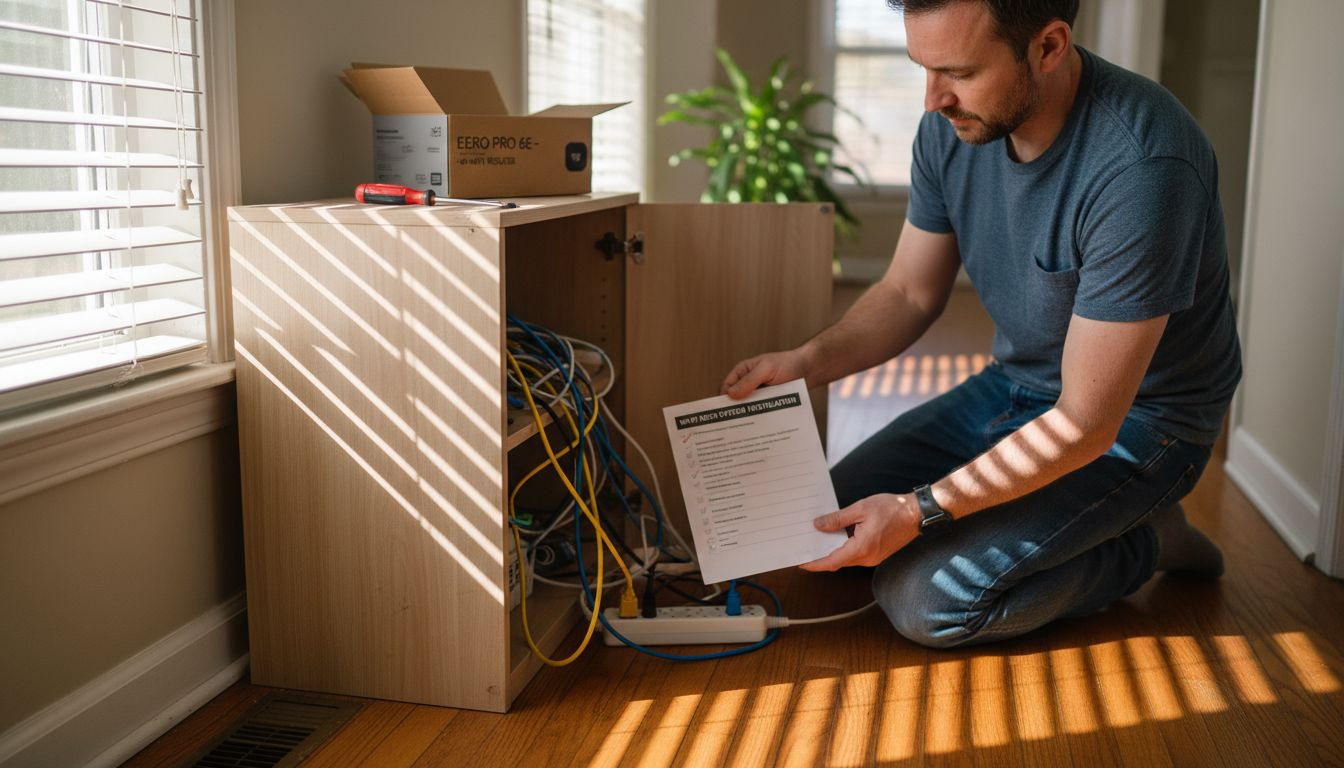
    Strong Wi-Fi coverage with mesh systems is essential for reliable smart device connectivity throughout the home. Wi-Fi 6 or Wi-Fi 7 mesh networks eliminate dead zones and support dozens of simultaneous connections without slowdowns. If your current router struggles with multiple devices, upgrading to a mesh system is your first priority.

    Beyond wireless coverage, check your home’s wiring compatibility. Many smart switches and dimmers require a neutral wire, which older homes often lack. Inspect your electrical boxes or hire an electrician to verify compatibility before buying devices. For new construction or major renovations, consider running CAT6a backbone cabling and Power over Ethernet (PoE) lines to support wired devices like security cameras and access points.

    Hub placement matters more than most homeowners realize. Zigbee and Z-Wave devices form mesh networks that require central hub positioning for optimal signal distribution. Place your hub on the main floor, away from thick walls and metal appliances that block radio signals. Understanding Matter, Thread, Zigbee, and WiFi protocols helps you choose devices that work together seamlessly.

    Ensure your internet service plan provides sufficient bandwidth for streaming video feeds and remote access. A minimum of 100 Mbps download speed supports most smart home setups, but 200 Mbps or higher prevents bottlenecks during peak usage. Secure your router with WPA3 encryption and a strong admin password to block unauthorized access from the start.

    Pro Tip: Before buying any smart devices, photograph your electrical switches and share them with an electrician or knowledgeable friend to confirm neutral wire availability. This five-minute step prevents costly returns and installation headaches.

    Ecosystem and hub selection

    – Smart home setup checklist 2026

    Choosing your primary smart home ecosystem shapes every future device purchase and determines how easily you control your home. The three major platforms in 2026 are Amazon Alexa, Google Home, and Apple HomeKit, each with distinct strengths.

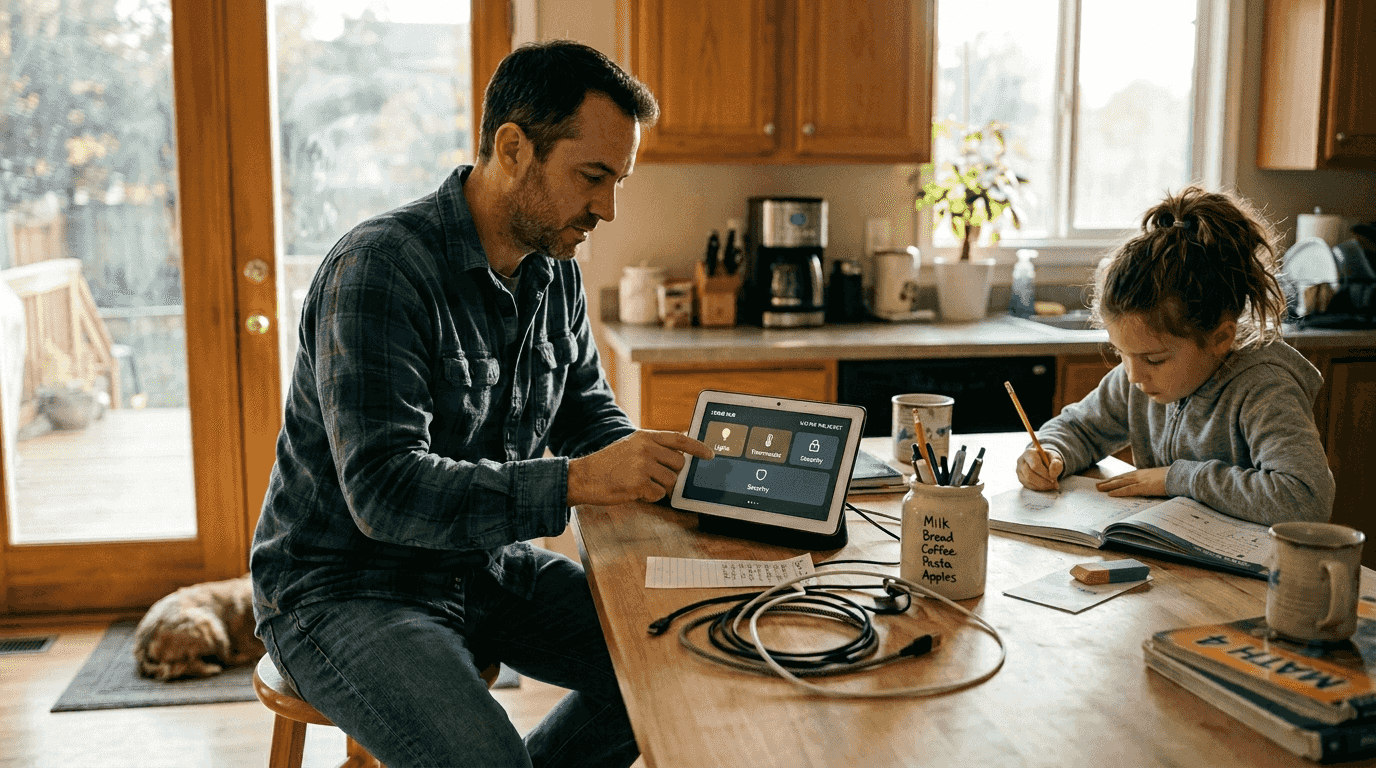
    Person comparing smart home hubs at table

    Selecting a primary ecosystem like Amazon Alexa, Google Home, or Apple HomeKit simplifies setup and ensures device compatibility. Amazon Alexa offers the broadest third-party device support and works with budget-friendly options across all categories. Google Home excels at voice recognition and AI-powered routines that adapt to your habits. Apple HomeKit prioritizes privacy with end-to-end encryption but supports fewer devices and typically costs more.

    The Matter standard launched in recent years to enable cross-platform compatibility, allowing Matter-certified devices to work with all three ecosystems simultaneously. While Matter adoption is growing, not all device categories support it yet.

    Focus on one primary ecosystem for core functions, then add Matter devices to maintain flexibility.

    EcosystemBest ForDevice SupportPrivacy Focus
    Amazon AlexaBudget shoppers, broad compatibilityExcellent (10,000+ devices)Moderate
    Google HomeVoice control, AI routinesVery Good (5,000+ devices)Moderate
    Apple HomeKitPrivacy, Apple usersGood (1,000+ devices)Excellent
    Matter StandardCross-platform flexibilityGrowing (500+ devices)Varies by brand

    Assess your existing devices and habits before committing. If you own an iPhone and value privacy, HomeKit makes sense. Or, iiIf you use Android and want advanced automation, Google Home fits better. Finally, if you want maximum device choice and affordability, Alexa wins. Avoid splitting your setup evenly between ecosystems, which creates management complexity and limits automation potential.

    Explore smart living compatibility to understand how different protocols and ecosystems interact. This knowledge prevents buying incompatible devices and helps you build a cohesive system that scales smoothly as your needs grow.

    Device categories and step-by-step setup

    – Smart home setup checklist 2026

    Installing smart devices in the right order maximizes security, minimizes troubleshooting, and builds confidence as you expand your system. Follow this prioritized sequence for the smoothest experience.


    1. Establish reliable network and hub placement. Install your mesh Wi-Fi system first and verify strong signal in every room. Place your smart home hub centrally on the main floor, away from interference sources.


    2. Select and configure your primary ecosystem and hub. Download the ecosystem app (Alexa, Google Home, or Home app for HomeKit), create your account, and connect the hub to your network. Name rooms logically to simplify device organization later.


    3. Install security devices first. Smart home security setup must prioritize video doorbells, smart locks, and security sensors to deter theft and enable remote monitoring effectively. Video doorbells like Ring or Nest provide package monitoring and visitor screening. Smart locks from August or Yale offer keyless entry and remote access. Window and door sensors from brands like Wyze or Aqara alert you to unexpected openings.


    4. Set up lighting automation with smart switches and sensors. Replace traditional switches with smart versions from Lutron, Leviton, or TP-Link. Add motion sensors to automate lights in hallways, bathrooms, and closets. Start with high-traffic areas before tackling every room.


    5. Add climate control devices. Install a smart thermostat like Nest or Ecobee to optimize heating and cooling schedules. Smart ceiling fans and portable heaters extend comfort control to individual rooms. These devices deliver measurable energy savings within the first month.


    6. Integrate voice assistants and entertainment systems last. Add smart speakers, displays, and streaming devices after essential systems work reliably. These enhance convenience but aren’t critical for home security or efficiency.


    Follow the detailed 7-step smart home setup checklist for room-by-room guidance tailored to beginners and experienced users alike.

    Infographic of smart home setup steps

    Pro Tip: Install and test each device category for at least three days before adding the next. This staged approach helps you identify and fix issues quickly instead of troubleshooting a dozen malfunctioning devices simultaneously.

    Security and privacy measures

    Smart home devices create new entry points for cyber threats and privacy invasion if you skip basic security practices. Protecting your system requires ongoing attention, not just initial setup.

    Use strong encryption protocols and regularly updated routers to secure network traffic. WPA3 encryption is now standard on modern routers and blocks many common attacks. Replace any router older than three years, as manufacturers stop providing security patches for outdated models. Change default router passwords immediately and create unique, complex passwords for each smart device account.

    Secure physical placement of hubs and video doorbells prevents tampering and unauthorized access. Mount video doorbells at standard height (48 inches) where they can’t be easily removed or obstructed. Place indoor security cameras in corners with wide views but avoid pointing them at private spaces like bedrooms and bathrooms.

    Keep firmware updated to fix vulnerabilities and maintain compatibility across devices. Enable automatic updates in your ecosystem app and device settings whenever possible. Check for updates manually every two weeks for devices that don’t auto-update. Outdated firmware exposes you to known exploits that hackers actively target.

    Enable two-factor authentication on all accounts that support it, including your ecosystem app, router admin panel, and individual device accounts. Use an authenticator app like Google Authenticator instead of SMS codes, which can be intercepted. Review connected devices monthly and remove any unfamiliar entries immediately.

    “Ongoing maintenance and security updates are not optional extras but essential requirements to keep your smart home safe from evolving cyber threats and privacy breaches.”

    Review the AI-Kitchen privacy security checklist for specific steps to protect voice assistant recordings and camera footage from unauthorized access or misuse.

    Common mistakes and troubleshooting

    – Smart home setup checklist 2026

    Even experienced users make predictable errors during smart home setup. Recognizing these patterns helps you avoid frustration and wasted money.

    Neglecting Wi-Fi strength causes device dropout and unreliable automation. Symptoms include devices showing as offline in your app, lights failing to respond to voice commands, and delayed notifications. Solution: Install a mesh Wi-Fi system with at least three nodes for homes over 1,500 square feet. Run a speed test in every room where you plan to place devices and relocate nodes if signal drops below 20 Mbps.

    Skipping neutral wire verification for smart switches leads to expensive returns and installation delays. Many smart switches require a neutral wire to power their wireless radios, but homes built before 1985 often lack them. Solution: Retrofit neutral wires during renovation or choose battery-powered switches and Lutron Caseta dimmers designed for no-neutral installations.

    Overly complex automation initially reduces usability and creates frustration for family members unfamiliar with smart home technology. Starting with dozens of scenes, routines, and conditional triggers overwhelms beginners. Solution: Begin with simple automations like “turn on porch light at sunset” and “lock front door at 10 PM,” then add complexity gradually based on actual usage patterns.

    Poor hub placement causing connectivity blind spots manifests as devices in certain rooms constantly disconnecting while others work fine. Metal appliances, thick walls, and long distances attenuate signals. Solution: Centralize hub location and add Zigbee or Z-Wave repeater devices (smart plugs work well) to extend mesh coverage to problematic areas.

    Buying incompatible devices because you didn’t verify ecosystem support wastes money and creates returns. Solution: Check compatibility on the manufacturer’s website and your ecosystem app before purchasing. Look for logos (Works with Alexa, Hey Google, Works with Apple HomeKit) on product packaging.

    Pro Tip:

    Keep all device boxes and receipts for at least 30 days after installation. If a device proves incompatible or unreliable, you can return it easily instead of accepting a system that frustrates you daily.

    Consult our guide to fix common smart home issues for detailed troubleshooting steps covering connectivity, automation failures, and device conflicts.

    Expected outcomes and success metrics

    – Smart home setup checklist 2026

    Setting realistic expectations for setup time, costs, and performance helps you measure success and know when to seek help or adjust your approach.

    Smart home setup duration ranges from a few hours for basic setups to several days for full-house automation depending on complexity and user experience. A starter system with 5 to 10 devices typically takes 2 to 4 hours to install and configure. Comprehensive whole-home automation with 30+ devices, custom scenes, and advanced routines requires 2 to 3 full days spread across a week.

    Energy savings from lighting automation typically reach 20% to 30% on electricity bills within the first two months. Smart thermostats deliver even larger savings, reducing heating and cooling costs by 10% to 23% annually through optimized scheduling and occupancy sensing. Track usage in your utility app or smart plug energy monitors to quantify actual savings.

    Proper hub placement and Wi-Fi coverage reduce device connection dropouts to near zero.

    Measure success by stable device function for at least one week post-setup. If devices disconnect more than once per week, investigate Wi-Fi signal strength, interference sources, or firmware issues before adding more devices.

    Setup ScaleDevice CountTime RequiredTypical CostEnergy Savings
    Basic5-102-4 hours$200-$50015-20%
    Intermediate15-251-2 days$600-$1,20020-25%
    Comprehensive30+2-3 days$1,500-$3,00025-30%

    Stay current with smart home trends in 2026 to understand which technologies deliver the best value and which are still maturing. Focus your budget on proven categories like security, lighting, and climate before experimenting with emerging device types.

    Enhance your smart home setup with trusted products

    Building a seamless smart home requires the right devices and expert guidance tailored to your specific needs and ecosystem choice. Smart Home HQ offers in-depth reviews and comparisons of the latest smart home devices in 2026, tested rigorously for reliability, security, and ease of use.

    https://smarthomehq.house

    Whether you’re just starting or expanding an existing system, our comprehensive 7-step setup checklist walks you through every decision from network preparation to advanced automation. Learn how to ensure device compatibility across ecosystems and avoid costly mistakes before you buy.

    Frequently asked questions – Smart home setup checklist 2026

    What is the best smart home ecosystem for beginners?

    Amazon Alexa offers the broadest device compatibility and extensive third-party support, making it ideal for beginners seeking affordable options. Google Home excels at voice recognition and AI-powered routines, while Apple HomeKit is best for privacy-focused users willing to pay premium prices. Explore smart living compatibility to compare ecosystems in detail.

    How can I ensure my smart home is secure from hackers?

    Use strong router passwords, enable WPA3 encryption, and update device firmware regularly to close known vulnerabilities. Place hubs and cameras in secure locations away from windows and monitor network activity monthly for unknown devices. Review the AI-Kitchen privacy security checklist for comprehensive protection strategies.

    What is the average time to complete a smart home setup?

    Basic setups with 5 to 10 devices can be completed in as little as 2 to 4 hours for users with some technical experience. Comprehensive full-home automation setups may require up to 3 days depending on device complexity, custom automation rules, and troubleshooting needs.

    How do I avoid losing connectivity with my smart devices?

    Install a Wi-Fi mesh network with Wi-Fi 6 or Wi-Fi 7 for consistent coverage throughout your home, eliminating dead zones that cause dropouts. Place hubs centrally on the main floor and avoid obstructed locations like basements or closets to maintain strong signal strength. Learn to fix common smart home issues with our troubleshooting guide.

  • Why use home automation scenes for security and savings

    Why use home automation scenes for security and savings

    Home automation scenes can cut your energy bills by up to 15% while dramatically improving security and convenience. These powerful sequences coordinate multiple smart devices through a single trigger, transforming how your home responds to daily routines. Whether you’re protecting your property, reducing utility costs, or simply making life easier, automation scenes deliver measurable benefits that justify the minimal setup effort required.

    Table of Contents

    Key takeaways

    PointDetails
    Coordinated controlAutomation scenes link multiple smart devices to execute synchronized actions from a single trigger.
    Enhanced securitySensor-triggered scenes reduce break-ins by 20% through instant automated responses.
    Energy optimizationScenes reduce peak electricity usage by up to 15% through intelligent HVAC and lighting management.
    Daily convenienceAutomating routines cuts manual device interactions by 30%, saving time and effort.
    Accessible setup75% of beginners successfully create functional scenes in under 15 minutes using app templates.

    Introduction to home automation scenes

    Home automation scenes are pre-programmed sequences that coordinate multiple smart devices to execute specific actions simultaneously. A single scene might adjust your thermostat, turn off lights, lock doors, and arm your security system all at once. Unlike controlling devices individually, scenes create cohesive responses that match your lifestyle patterns and security needs.

    The magic happens through a layered framework of triggers, actions, and outcomes. Triggers activate scenes based on time schedules, sensor inputs, or manual commands. Actions define what each connected device does when triggered. Outcomes represent the cumulative benefit, whether that’s enhanced security, energy savings, or pure convenience.

    Typical devices included in scenes span the smart home ecosystem. Smart thermostats adjust temperature based on occupancy. Connected lights create ambiance or simulate presence. Smart locks secure entry points automatically. Motion sensors detect activity and trigger appropriate responses. Even smart plugs join the coordination, cutting power to idle electronics.

    Scenes make your home genuinely responsive rather than simply connected. A basic “Good Morning” scene might gradually increase lighting, adjust the thermostat to your preferred temperature, and start your coffee maker. An “Away” scene locks doors, sets the thermostat to eco mode, and activates security cameras. This synchronized intelligence transforms disconnected gadgets into a unified system.

    Platforms like Amazon Alexa, Google Home, and Apple HomeKit support smart lighting scenes and broader automation. Third-party hubs expand compatibility across brands and protocols. The result is a flexible foundation where examples of smart home automation become practical realities rather than futuristic concepts.

    Common scene categories include:

    • Security scenes responding to unauthorized entry attempts
    • Energy-saving scenes optimizing climate control and lighting
    • Convenience scenes automating morning and evening routines
    • Entertainment scenes setting mood lighting and audio zones
    • Vacation scenes simulating occupancy to deter burglars

    Security advantages of automation scenes

    Automation scenes transform home security from reactive to proactive. When a motion sensor detects unexpected activity at your front door, a security scene can instantly flood the area with light, trigger an audible alarm, send smartphone alerts, and start recording on connected cameras. This coordinated response happens in seconds, not minutes.

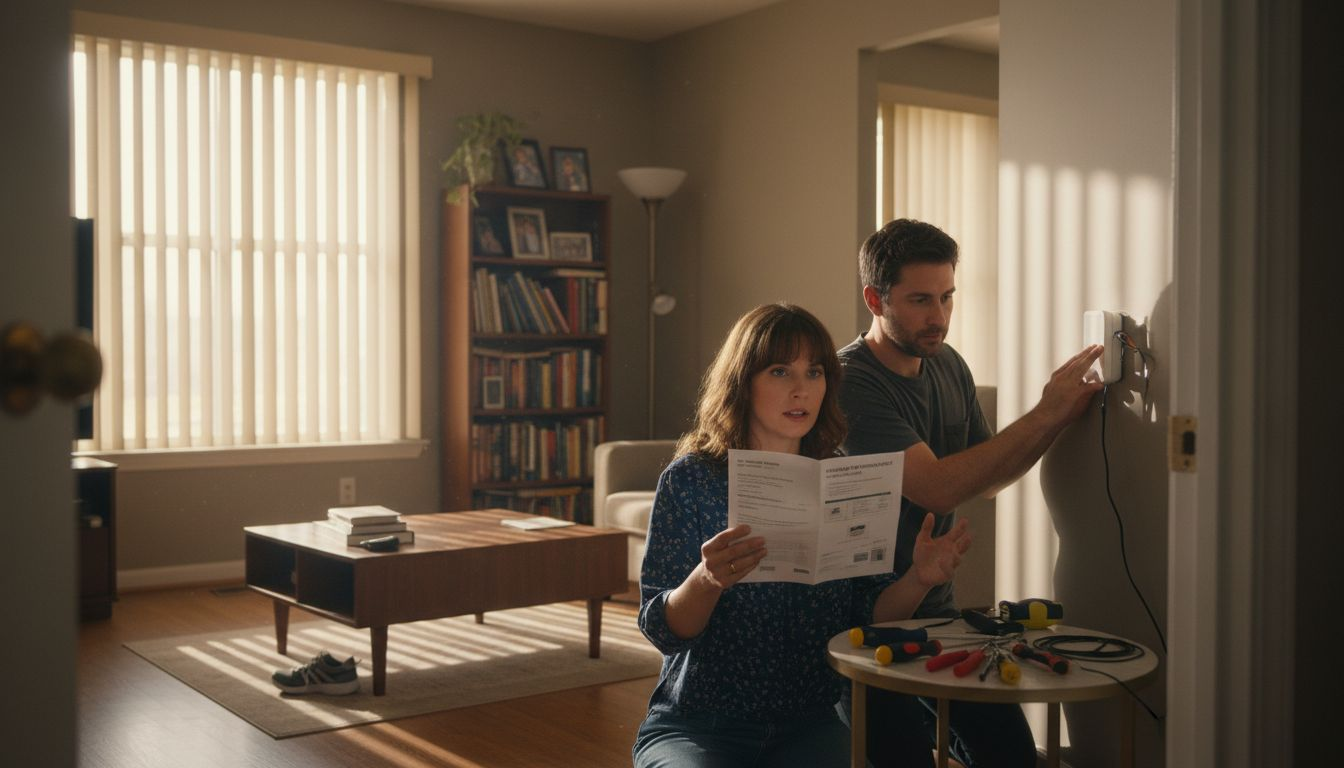
    Smart security alert triggered in hallway

    The impact is measurable. Homes using sensor-triggered automated responses reduce break-ins by 20% compared to traditional systems. Burglars typically spend less than 60 seconds deciding whether to proceed. Immediate automated actions create enough uncertainty and visibility to encourage them to move on.

    Door and window sensors serve as critical security triggers. When a sensor detects unauthorized opening, scenes can activate interior and exterior lights, lock other entry points, and alert homeowners through multiple channels. Some homeowners configure scenes to trigger sirens or even activate smart sprinkler systems near windows.

    False alarms decrease significantly with well-designed scenes. By layering conditions, you avoid unnecessary alerts. A scene might require both motion detection and door sensor activation before triggering full security protocols. This logic reduces nuisance notifications while maintaining protection.

    Effective security scene elements:

    • Motion-activated exterior lighting that deters approach
    • Automated door lock verification when arming systems
    • Camera recording triggered by specific sensor combinations
    • Progressive alert escalation based on threat assessment
    • Simulated occupancy patterns during extended absences

    “The best security systems don’t just detect threats, they actively discourage them through visible automated responses that create the perception of an alert, occupied home.”

    Integrating scenes with professional monitoring services adds another protection layer. When sensors trigger scenes, monitoring centers receive contextual data about which devices activated and in what sequence. This intelligence helps distinguish genuine emergencies from false alarms, ensuring appropriate response.

    For comprehensive protection strategies, explore our guides on smart home security and how to improve smart home security with layered automation approaches.

    Energy efficiency benefits

    Automation scenes deliver significant energy savings by coordinating devices based on actual occupancy and usage patterns rather than fixed schedules. A well-configured scene can reduce peak electricity usage by up to 15%, translating to hundreds of dollars in annual utility savings for typical households.

    The biggest impact comes from HVAC automation. Thermostat scenes adjust heating and cooling based on whether you’re home, asleep, or away. Instead of conditioning empty rooms, your system operates only when and where needed. Occupancy sensors ensure climate control follows your actual presence rather than rigid timers.

    Infographic showing automation benefits security savings

    Lighting automation prevents the wasteful practice of illuminating unoccupied spaces. Motion-based scenes turn lights on when you enter a room and off after detecting no activity for several minutes.

    Time-based scenes align with natural daylight patterns, dimming or extinguishing lights as sunlight provides adequate illumination.

    Usage ScenarioWithout ScenesWith Automation ScenesEstimated Savings
    HVAC daily operation8-10 hours at set temperature6-7 hours optimized by occupancy20-25% on heating/cooling
    Lighting (whole home)Manually controlled, often left onAutomated based on presence/time30-40% on lighting costs
    Idle electronicsStandby power drain continuousSmart plugs cut power when unused10-15% on electronics
    Peak demand periodsNo adjustment for utility ratesShift usage to off-peak hours5-10% total bill reduction

    Sensor-based scenes typically outperform time-based alternatives for energy efficiency. Occupancy detection responds to actual behavior rather than predicted schedules. If you arrive home early, sensors trigger climate adjustment immediately instead of waiting for a preset time. This responsiveness prevents both energy waste and comfort gaps.

    High-impact energy-saving scenes:

    • “Away” scene setting thermostats to eco mode and turning off unnecessary lights
    • “Bedtime” scene reducing HVAC load and switching off common area lighting
    • “Vacation” scene cycling lights for security while minimizing runtime
    • “Peak Hours” scene shifting device operation to off-peak electricity rates

    Pro Tip: Start your energy-saving automation with HVAC and lighting scenes, as these typically account for 60-70% of residential energy consumption and offer the fastest return on investment.

    Smart plugs extend scene benefits to non-smart devices. A scene can cut power to entertainment centers, kitchen appliances, and chargers during work hours, eliminating phantom power draw. This often-overlooked consumption can account for 5-10% of total electricity use.

    For comprehensive strategies, our energy-saving smart home guide provides detailed implementation steps for maximum efficiency across all device categories.

    Convenience gains through automation scenes

    Automation scenes eliminate repetitive manual tasks, giving you back time and mental energy. Instead of walking through your home adjusting devices individually, a single voice command or automated trigger handles everything simultaneously. This convenience compounds daily, reducing device interactions by approximately 30%.

    Morning routines become effortless with a “Good Morning” scene. As your alarm sounds, the scene gradually increases bedroom lighting to simulate sunrise, adjusts the thermostat to your preferred waking temperature, raises window blinds, and starts brewing coffee. You wake to an optimized environment without touching a single switch.

    Leaving home triggers equally valuable automation. A “Goodbye” scene verifies all doors are locked, sets the thermostat to away mode, turns off lights throughout the house, and arms your security system. Instead of mentally reviewing a checklist and retracing steps, you tap a button or let location-based triggers handle everything.

    Common convenience-driven scenes:

    1. Good Morning: Gradual lighting increase, thermostat adjustment, blinds open, coffee maker start
    2. Leaving Home: Lock verification, lights off, thermostat to eco mode, security armed
    3. Arriving Home: Unlock door, lights on in entry areas, climate adjustment, music start
    4. Movie Time: Dim lights, close blinds, activate entertainment system, silence notifications
    5. Bedtime: Lock all doors, reduce thermostat, turn off lights, activate sleep mode on devices

    The time savings add up substantially. Research on workflow automation shows similar principles apply to home routines. If you spend five minutes daily adjusting devices manually, automation recovers over 30 hours annually. More importantly, it removes decision fatigue from mundane tasks.

    Voice integration amplifies convenience. Saying “Alexa, movie time” or “Hey Google, goodnight” triggers complex multi-device sequences instantly. This hands-free control proves especially valuable when carrying groceries, cooking, or managing children.

    Location-based triggers add another convenience layer. When your smartphone GPS indicates you’re approaching home, scenes can automatically unlock doors, turn on pathway lighting, and adjust climate settings. You arrive to a welcoming environment without any manual intervention.

    Explore more practical applications in our guide to home automation for easy living, which demonstrates how scenes integrate seamlessly into daily life patterns.

    Common misconceptions about scene complexity and cost

    Many homeowners avoid automation scenes believing they require advanced technical skills or expensive equipment. The reality is far more accessible. Modern smart home platforms provide intuitive interfaces and pre-built templates that make scene creation straightforward for beginners.

    The setup process is surprisingly quick. Statistics show 75% of beginners successfully create functional scenes in under 15 minutes using manufacturer app templates. These templates cover common scenarios like morning routines, security protocols, and energy-saving schedules. You simply select the template, choose which devices to include, and adjust timing or triggers to match your preferences.

    Cost concerns also exceed reality. While premium smart home systems can be expensive, effective automation scenes work perfectly well with affordable devices. A basic scene coordinating budget-friendly smart bulbs, a programmable thermostat, and a smart plug costs under $150 total. You don’t need enterprise-grade equipment to achieve meaningful benefits.

    Common false beliefs about automation scenes:

    • Scenes require programming knowledge or coding skills
    • Only expensive devices support automation features
    • Setup demands hours of configuration and troubleshooting
    • Scenes break easily and need constant maintenance
    • You must buy all devices from a single manufacturer

    Manufacturer apps like Alexa, Google Home, and SmartThings walk you through scene creation with visual guides. You tap to add devices, select actions from dropdown menus, and set triggers using simple sliders or toggles. The interface resembles basic smartphone settings rather than technical programming environments.

    Compatibility between brands has improved dramatically. While proprietary ecosystems still exist, most devices now support common protocols like Wi-Fi, Zigbee, or Z-Wave. This allows mixing affordable options from different manufacturers within the same scene. A Philips Hue bulb can work alongside a Wyze camera and an Ecobee thermostat in coordinated automation.

    Pro Tip: Use your smart home platform’s built-in scene templates as starting points rather than creating from scratch, reducing setup time and avoiding common configuration errors that cause scenes to malfunction.

    Maintenance requirements are minimal once scenes are configured. Unlike complex computer programs, automation scenes rarely need updates unless you add new devices or want to adjust behavior. Most platforms automatically handle firmware updates without breaking existing scenes.

    For budget-conscious implementations, check out affordable smart devices that support full automation capabilities. Understanding the role of automation in homes also helps prioritize investments for maximum impact.

    Comparison of automation scene types

    Automation scenes fall into three primary categories based on trigger mechanisms: time-based, sensor-based, and manual. Each type serves distinct purposes and offers different advantages depending on your specific needs and routines.

    Time-based scenes execute actions according to scheduled times or astronomical events like sunrise and sunset. These work best for predictable routines that follow consistent patterns. A time-based scene might turn on exterior lights at sunset or adjust your thermostat at 7 AM on weekdays. The reliability comes from operating on fixed schedules regardless of other factors.

    Sensor-based scenes respond to environmental inputs from motion detectors, door contacts, temperature sensors, or occupancy monitors. These offer superior responsiveness because they react to actual conditions rather than predicted schedules. When a motion sensor detects movement in your driveway, the scene immediately activates lighting and cameras. This real-time adaptation makes sensor scenes ideal for security and energy efficiency.

    Manual scenes require deliberate activation through voice commands, app buttons, or physical smart switches.

    While less automated than the other types, manual scenes provide precise control for occasional situations or complex sequences you want to initiate intentionally. A “Party Mode” scene transforming your home’s lighting and audio makes sense as a manual trigger rather than automated.

    Scene TypeTrigger MechanismResponsivenessEnergy EfficiencyBest Use Cases
    Time-basedScheduled times or astronomical eventsPredictable but inflexibleModerateDaily routines, seasonal adjustments, consistent schedules
    Sensor-basedEnvironmental inputs and device statesHighly responsive to conditionsExcellentSecurity responses, occupancy-based control, adaptive comfort
    ManualVoice, app, or switch activationInstant on demandVariableOccasional events, complex sequences, situational control

    Hybrid approaches combine multiple trigger types for enhanced functionality. A scene might use both time and sensor inputs, requiring motion detection only during specific hours. This prevents outdoor security lights from activating during daylight while maintaining nighttime protection. Layering conditions creates more intelligent automation that adapts to complex real-world scenarios.

    For security applications, sensor-based scenes provide the fastest threat response. Time-based scenes work well for simulating occupancy during vacations by cycling lights on predictable schedules. Manual scenes give you override control when automated behaviors don’t match immediate circumstances.

    Energy savings favor sensor-based scenes because they respond to actual occupancy rather than assumptions. However, time-based scenes effectively manage devices with thermal mass like water heaters or HVAC systems that benefit from scheduled optimization periods.

    Integration challenges and compatibility considerations

    Device compatibility remains a significant challenge when creating automation scenes across multiple manufacturers. Not all smart devices communicate using the same protocols, leading to integration frustrations when attempting to coordinate actions. Understanding these technical barriers helps you make informed purchasing decisions and troubleshoot connection issues.

    The smart home landscape includes several competing communication standards. Wi-Fi devices connect directly to your home network, offering broad compatibility but potentially straining bandwidth. Zigbee and Z-Wave use low-power mesh networks that require compatible hubs but provide reliable local control. Thread represents a newer standard gaining adoption for its efficiency and security. Bluetooth works for proximity-based control but lacks the range for whole-home automation.

    Proprietary ecosystems complicate cross-brand integration. Some manufacturers intentionally limit interoperability to keep customers within their product lines. Apple HomeKit, Amazon Alexa, Google Home, and Samsung SmartThings each support different device subsets. A smart bulb working perfectly with Alexa might not function with HomeKit despite being technically capable.

    Key communication standards and their characteristics:

    • Wi-Fi: Universal compatibility, higher power consumption, potential network congestion
    • Zigbee: Low power mesh network, requires hub, excellent device capacity
    • Z-Wave: Proprietary mesh protocol, strong security, limited to 232 devices per network
    • Thread: Emerging standard, IPv6 native, designed for Matter compatibility
    • Bluetooth: Simple pairing, limited range, suitable for personal devices

    Smart hubs serve as compatibility bridges, translating between protocols and providing unified control interfaces. A quality hub supporting multiple standards lets you mix devices from different manufacturers within the same scene. However, even hubs have limitations. Not every hub supports every protocol version, and firmware updates sometimes break previously working integrations.

    Before purchasing devices for automation scenes, verify compatibility with your existing ecosystem. Check manufacturer specifications for supported platforms and protocols. Read recent user reviews mentioning integration experiences, as compatibility can change with firmware updates. When possible, buy from retailers offering easy returns in case devices don’t integrate as expected.

    Avoid mixing too many incompatible devices in complex scenes. Start with devices known to work together, then gradually expand. Testing each addition individually makes troubleshooting simpler when problems arise. A scene failing because of a single incompatible device wastes time during debugging.

    Practical steps to create your first automation scene

    Creating your first automation scene is straightforward when you follow a systematic approach. Start by identifying a specific routine or security need you want to automate. Focus on simple, high-value scenarios for your initial scene to build confidence before tackling complex automation.

    Begin by auditing your daily patterns. Which repetitive tasks involve multiple devices? Common starting points include morning wake-up routines, departure procedures when leaving home, or bedtime sequences. Choose something you do consistently, as predictable routines make the best automation candidates.

    Verify that your smart devices support scene automation through your chosen platform. Open your smart home app and check which devices appear in the scene creation interface. Most modern devices integrate automatically, but occasionally you need to enable specific permissions or update firmware. This verification step prevents frustration mid-setup.

    Step-by-step scene creation process:

    1. Select your trigger: Decide whether the scene activates by time schedule, sensor input, or manual command based on your chosen routine
    2. Choose participating devices: Add each smart device that should respond when the scene triggers, ensuring all are properly connected
    3. Define device actions: Specify what each device does (lights to 75% brightness, thermostat to 68°F, locks engaged, etc.)
    4. Set conditions (optional): Add requirements like “only between sunset and sunrise” or “only when home mode is active” for smarter automation
    5. Name your scene: Use clear, descriptive names like “Good Morning Weekday” or “Secure House” for easy identification
    6. Test thoroughly: Manually trigger the scene several times, verifying each device responds correctly and timing feels appropriate
    7. Adjust and refine: Modify brightness levels, delay timing between actions, or add/remove devices based on testing results

    Most platforms offer templates for popular scenes. These provide excellent starting frameworks you can customize to your preferences. A “Good Morning” template might include lights and thermostat adjustments. You simply select which specific lights and your preferred temperature settings.

    Timing between actions matters for scenes involving multiple device types. Add short delays if devices need to execute sequentially rather than simultaneously. For example, unlocking a door before turning on entry lights creates a better arrival experience than both happening at exactly the same instant.

    Start simple with 3-4 devices in your first scene. As you gain experience, expand to more complex automation involving conditional logic and device dependencies. Our smart home setup guide provides additional context for building cohesive systems.

    For specific routine examples, explore guides like our Alexa goodnight routine walkthrough or tutorial on how to automate home lighting. The home automation tutorial offers comprehensive coverage of advanced techniques once you master basics.

    Explore smart home solutions to enhance your automation

    Ready to implement automation scenes in your home? Smart Home HQ offers curated resources to simplify your journey. Browse our tested device recommendations supporting seamless scene integration across popular platforms. Our step-by-step tutorials walk you through setup processes, eliminating guesswork and technical frustration.

    https://smarthomehq.house

    Discover practical smart home automation examples demonstrating real-world implementations. Stay current with our latest smart home devices 2026 guide featuring new products optimized for security, convenience, and energy efficiency. Our detailed automation tutorial setup guide provides comprehensive coverage of advanced techniques. Whether you’re just starting or expanding an existing system, we provide the expert insights and product comparisons you need to make confident decisions.

    FAQ

    What are home automation scenes?

    Home automation scenes are pre-programmed sequences coordinating multiple smart devices through a single trigger. They automate specific actions like adjusting lights, locks, thermostats, and sensors simultaneously based on schedules, sensor inputs, or manual commands, creating cohesive responses that enhance security, convenience, and energy efficiency.

    Can I create automation scenes without technical skills?

    Yes, modern smart home platforms provide user-friendly templates and visual interfaces requiring no coding knowledge. Most beginners successfully configure functional scenes in under 15 minutes using manufacturer apps. Check out affordable smart devices that include simple scene setup tools designed for non-technical users.

    How do automation scenes save energy?

    Scenes optimize lighting and HVAC usage by responding to actual occupancy and time-based schedules rather than continuous operation. This intelligent coordination reduces peak electricity consumption by up to 15%, cutting hundreds of dollars from annual utility bills. Our energy-saving guide details specific implementation strategies for maximum savings.

    What types of automation scenes exist?

    Three primary scene types serve different purposes: time-based scenes executing on schedules for routine tasks, sensor-based scenes responding to environmental inputs for security and adaptive control, and manual scenes requiring deliberate activation for occasional situations. Many effective implementations combine multiple trigger types for enhanced intelligence and flexibility.

  • Smart Technology for Seniors

    Smart Technology for Seniors

    Your First Steps Towards a Smart Home

    Smart Technology for Seniors is all about using today’s easy, affordable smart devices to make everyday life safer, simpler, and more comfortable for older adults. From voice-controlled speakers to smart lights and locks, these tools can quietly support independence at home without adding technical stress or taking away control.

    AI Smart Tech Seniors

    Embarking on your smart home journey doesn’t have to be overwhelming! The best way to start is by taking small, manageable steps.

    Where to Begin:

    Recommendation: Start small! Don’t feel pressured to automate your entire home overnight. Pick one area of concern that resonates with you. Maybe by enhancing security, making daily routines easier, or just exploring something new that excites you.

    Suggestion: Voice assistants like an Echo Dot or Google Nest Mini are fantastic starting points. 🗣️ They are incredibly versatile, relatively inexpensive., and allow you to try out voice control for music, news, setting timers. Additionally, you can ask a variety of questions, all with simple commands.

    Key Considerations: Before purchasing any smart device, keep these important points in mind to ensure a positive experience:

    Ease of Use: Prioritize devices with simple, intuitive interfaces or, even better, those that can be controlled primarily by voice. Look for clear instructions and straightforward app designs.

    Reliability: Stick with reputable brands known for quality and good performance. Researching reviews from other seniors can be particularly helpful.

    Privacy: Understand how your personal data might be used by smart devices. Most reputable brands offer transparent privacy policies.

    Support: Ensure that the company offers accessible customer service, whether it’s via phone, email, or online resources. Just in case you have questions or need assistance.

    Installation & Setup: 

    The thought of setting up new technology can feel daunting, but you might be surprised!

    Many smart devices are designed to be “plug and play” – simply plug them in, download a user-friendly app. Then just follow a few on-screen steps.

    If you prefer a hands-off approach, professional installation services are often available for more complex systems. Thereby, offering complete peace of mind.

    Don’t hesitate to ask! Your tech-savvy family members or friends would likely be thrilled to help you set up new gadgets and show you how they work. It can even be a fun activity to do together!

    The Future is Here: Remember, smart technology is continuously evolving and becoming even more user-friendly. What might seem complex today is often simplified tomorrow. Embracing these innovations now means you’re stepping into a future designed to enhance your comfort, safety, and connection. Welcome to your smarter home! ✨


    Common Questions About Smart Home Technology for Seniors

    Is this technology too complicated for me

    Smart home technology uses connected devices like smart lights, thermostats, speakers, and sensors that you can control automatically or with your voice instead of walking around to flip switches and dials. For seniors, the goal is a safer and more convenient home that quietly helps with everyday tasks.

    How can smart home devices help me live independently longer?

    Smart home devices can turn lights on automatically, adjust the temperature, lock doors, and even alert family if something seems wrong. Thus reducing fall risk and everyday strain. This extra layer of support helps many older adults stay in their own homes longer with more confidence and less reliance on in‑person help.

    Are smart home devices hard to use for seniors?

    Most seniors can learn simple smart devices quickly.
    Especially ones that use clear buttons, big screens, or voice control instead of complicated menus. Having someone set things up, keep the number of devices small, and provide step‑by‑step instructions makes day‑to‑day use much easier.

    Do I have to use a smartphone or computer to control everything?

    You can use a smartphone or tablet if you like. However, many seniors mostly use their voice—talking to a smart speaker or smart display—to turn lights on, adjust the thermostat, or make calls. Simple wall switches, buttons, and remotes can also be added so you still have familiar physical controls when you want them.

    More QuestionsAI Smart Technology Seniors

    Will smart home technology replace my caregivers or family?

    Smart devices are meant to support—not replace—caregivers and family. They can handle routine tasks and send alerts when something seems off. They can give everyone more peace of mind and free up time for caregivers to focus on personal visits and meaningful conversations instead of constant checking.

    How can my family help me get started?

    Family or caregivers can help choose simple devices and set them up securely. Also teach and practice a few core commands you can use every day. Regular check‑ins to adjust settings, add new reminders, or fix issues make the technology feel like a dependable partner instead of a source of frustration.

    How do voice assistants like Alexa or Google help older adults?

    Voice assistants let you use natural speech to set reminders, make calls, get the weather, control lights, and play music without needing to see small screens or press tiny buttons. This hands‑free control is especially helpful for seniors with arthritis, vision challenges, or balance issues, because they can stay seated and still manage the home.

    Additional QuestionsAI Smart Technology Seniors

    Can smart home technology improve my safety?

    Yes—smart lights can reduce falls at night, smart locks can confirm doors are locked, and sensors or emergency devices can send alerts if there’s a fall or a possible problem. Together, these tools create a quiet safety net that supports you without feeling like a hospital or taking away your independence.

    What about privacy—am I being “watched” all the time?

    Many seniors worry about cameras and constant monitoring, so it’s important to choose only the devices you’re comfortable with and turn off features you don’t want. You can often disable cameras, limit what’s recorded, and review privacy settings with a family member so you stay in control of what data is shared.

    Are smart devices secure from hackers and scams?

    No device is 100% risk‑free, but using strong passwords, enabling automatic updates, and turning on extra security options (like two‑step verification) greatly reduces the risk. Having a trusted family member or caregiver help with setup and regularly checking settings is one of the best protections for seniors.

    How much do smart home devices cost, and do I need everything at once?

    Costs vary, but you can start small with one or two devices. For example, a smart speaker and a couple of smart bulbs—and add more only if they’re useful. Many families see these devices as an investment in safety and peace of mind, similar to grab bars or medical alert systems.


    Additional Resources

  • What is retrofit home automation: smart upgrades made easy

    What is retrofit home automation: smart upgrades made easy

    Many homeowners mistakenly believe retrofit automation requires major renovations or appliance replacements. The truth is simpler. Retrofit home automation offers an easier, affordable path to smart homes without tearing down walls. You can upgrade your existing home incrementally using wireless devices that work with what you already own. This article explains retrofit concepts, benefits, technology, and how to start your project without stress or massive investment.

    Table of Contents

    Key takeaways

    PointDetails
    Retrofit definitionRetrofit home automation upgrades existing homes mainly via wireless devices without major rewiring.
    Core benefitsBenefits include convenience, security, energy savings, and increased property value.
    Common myths debunkedMisconceptions about retrofit complexity and cost are false; incremental upgrades are practical.
    Technology approachWireless and modular retrofit kits enable phased, affordable smart home integration.
    Success factorsPlanning and device compatibility are key to successful retrofit projects.

    Understanding retrofit home automation

    Retrofitting integrates smart technology into existing homes without major rewiring or remodeling. You add intelligence to what you already have rather than starting from scratch.

    The approach differs fundamentally from new build automation. New constructions prewire and fully integrate automation systems during building. Retrofitting favors flexibility and minimal disruption, ideal for older homes not designed for smart tech.

    Most retrofit systems use wireless communication protocols optimized for this purpose. The majority of retrofit systems utilize wireless protocols such as KNX RF and others tailored for retrofit projects. These protocols eliminate the need to open walls or run new cables.

    Modular retrofit kits represent another key approach. They allow automation to be added incrementally while preserving home aesthetics and manual controls. You might start with smart lighting, then add thermostats, then security devices over months or years.

    Key retrofit technologies include:

    • Wireless hubs that connect devices without hardwiring
    • Smart switches that replace standard switches without rewiring
    • Plug-in modules that make existing appliances smart
    • Battery-powered sensors that stick anywhere
    • Voice assistants that control multiple device types

    This flexibility makes retrofit automation accessible to any homeowner regardless of home age or construction type. Whether you choose whole home automation vs room by room approaches, retrofit technology adapts to your needs and budget.

    Benefits of retrofit home automation

    Retrofit smart home upgrades deliver measurable improvements across multiple areas of home life. These benefits justify the investment for most homeowners.

    Energy savings rank among the top advantages. Smart thermostats can reduce heating and cooling energy consumption by up to 15% through intelligent scheduling and occupancy detection. That translates to hundreds of dollars saved annually on utility bills.

    Man upgrading to smart dimmer in older kitchen

    Security enhancements provide peace of mind. Smart locks and video doorbells enable real-time remote alerts and monitoring, letting you check on your home from anywhere. You see who’s at the door, grant access to visitors, and receive instant notifications of unusual activity.

    Convenience improvements transform daily routines. Automated lighting adjusts to your schedule and activities. Smart blinds open with sunrise and close for privacy. Voice commands control multiple devices simultaneously, eliminating the need to walk around adjusting things manually.

    Infographic of key retrofit home automation benefits

    The eco-friendly aspect matters too. Retrofitting preserves appliances and reduces electronic waste compared to full replacements. You keep functional devices out of landfills while gaining smart capabilities.

    Property value increases represent a financial benefit. Retrofitting can increase property value by 5 to 10%, attracting modern buyers who prioritize smart features. This makes retrofit automation an investment that pays back when you sell.

    Key benefits at a glance:

    • Lower energy bills through automated climate control
    • Enhanced security with remote monitoring capabilities
    • Increased convenience via voice and app control
    • Reduced environmental impact by reusing existing appliances
    • Higher resale value appealing to tech-savvy buyers

    These advantages explain why build connected home systems make sense for most homeowners. The benefits of smart home automation extend beyond technology into practical lifestyle improvements.

    Common misconceptions about retrofit home automation

    Several myths prevent homeowners from exploring retrofit options. Understanding the reality helps you make informed decisions.

    The biggest misconception is that retrofitting requires full appliance replacement. Actually, most retrofit solutions add automation modules to existing devices, preserving current appliances and their manual functions. You keep your existing refrigerator, washer, or thermostat and simply add smart control.

    Another false belief involves major construction requirements. The truth is that wireless retrofit systems allow smart automation with minimal or no structural changes, avoiding costly construction. You don’t need to open walls, run conduit, or hire electricians for most installations.

    Cost concerns also mislead homeowners. Incremental investments let you scale automation affordably over time. Start with one room or system, then expand as budget allows. You’re not locked into a massive upfront expense.

    Some worry about losing manual control. Modern retrofit solutions maintain manual overrides, preventing frustration and ensuring accessibility for all users. Light switches still work normally even when automated. Thermostats have physical controls alongside app features.

    Security fears deserve attention but shouldn’t stop you. While vulnerabilities exist, proper configurations and software updates protect retrofit smart setups effectively. Following basic security practices makes your system as safe as any other internet-connected device.

    Common myths debunked:

    • You don’t need new appliances, just smart modules
    • Construction stays minimal with wireless solutions
    • Costs scale with phased implementation
    • Manual controls remain functional alongside automation
    • Security risks are manageable with proper setup

    Pro Tip: Start your research with smart home technology basics to understand core concepts. Then review network security for smart homes before purchasing devices.

    Technological approaches and solutions for retrofitting

    Several technical options make retrofit automation practical and reliable. Understanding these helps you choose the right approach.

    Wireless protocols dominate retrofit installations. Wireless retrofit systems like KNX RF and Loxone Air improve reliability over typical WiFi for retrofit communications. These purpose-built protocols handle interference better and maintain connections more consistently.

    Modular retrofit kits offer another pathway. They enable homeowners to upgrade incrementally and avoid full system overhauls. Each kit adds specific capabilities like lighting control or climate management without requiring other components.

    Hybrid approaches combine wired and wireless components for flexible integration in complex homes. You might use wired connections for high-bandwidth devices like security cameras while relying on wireless for sensors and switches.

    ApproachBest ForKey AdvantageLimitation
    Wireless protocolsMost retrofit projectsNo construction neededMay face interference
    Modular kitsPhased upgradesBudget-friendly scalingRequires compatible devices
    Hybrid systemsComplex homesFlexibility and reliabilityMore planning required
    Cloud-basedRemote access priorityControl from anywhereDepends on internet

    Compatibility and integration challenges require careful device selection to ensure ecosystem harmony. Choosing devices from the same platform or with common standards like Zigbee or Z-Wave prevents headaches.

    Regular maintenance and firmware updates improve system performance and security. Set reminders to check for updates monthly. Most systems notify you automatically, but manual checks catch anything missed.

    Key technology considerations:

    • Protocol reliability affects long-term satisfaction
    • Modular expansion provides financial flexibility
    • Device compatibility determines ecosystem success
    • Update discipline maintains security and features

    Pro Tip: Check examples of smart home automation to see these technologies in action. The latest smart home devices 2026 showcase current retrofit-friendly options.

    For step-by-step guidance, the smart home automation tutorial walks through setup. German speakers can review smart home step-by-step implementation for additional perspectives.

    Starting and implementing a retrofit home automation project

    Successful retrofit projects follow a structured approach. These steps guide you from planning to optimization.

    1. Assess your current home systems and identify automation priorities
    2. Research device compatibility within your chosen ecosystem
    3. Create a phased implementation plan starting with high-impact areas
    4. Purchase initial devices and test functionality before expanding
    5. Install devices following manufacturer instructions carefully
    6. Configure automation rules and test scenarios thoroughly
    7. Monitor system performance and adjust settings as needed

    Start with a thorough assessment of your home’s current systems and smart automation priorities. Walk through your home noting frustrations and opportunities. Which lights do you forget to turn off? Where would remote monitoring help? What tasks eat up unnecessary time?

    Research device compatibility and ecosystems for seamless integration and future scalability. Choose between major platforms like Amazon Alexa, Google Home, or Apple HomeKit based on devices you already own and your preference for voice assistants.

    Implement retrofits incrementally, focusing first on high-impact, easy targets like lighting and thermostats. These deliver immediate benefits and build your confidence before tackling complex integrations.

    Decide between DIY installation and professional consultation based on project complexity and confidence. Simple devices like smart bulbs require no expertise. Complex whole-home systems might justify professional help.

    Continuously monitor and adjust the system to optimize comfort, security, and energy savings over time. Automation improves through refinement. Track what works and what annoys you, then adjust accordingly.

    Practical implementation tips:

    • Start small with one room or system
    • Document your setup for troubleshooting
    • Join online communities for advice and solutions
    • Keep device packaging and receipts for returns
    • Test each addition before buying more

    Pro Tip: Follow the DIY smart home integration guide for detailed connection instructions. The smart home implementation roadmap provides a strategic overview for larger projects.

    Upgrade your home with smart automation today

    You’ve learned how retrofit home automation works and why it makes sense for existing homes. Now it’s time to explore specific products and solutions.

    https://smarthomehq.house

    Our platform offers detailed reviews and comparisons of retrofit-friendly devices. Explore the latest smart home devices 2026 to discover what’s new and worth your investment. We test everything thoroughly so you know exactly what you’re getting.

    Understand types of smart home devices to build a comprehensive automation strategy. From lighting to security, we cover every category with honest assessments.

    Discover smart home items to enhance your life through curated recommendations based on real-world testing. We help you separate genuine innovations from marketing hype.

    Frequently asked questions about retrofit home automation

    What is the average cost of retrofitting a home with smart automation?

    Retrofit costs range from $500 for basic single-room setups to $5,000+ for whole-home systems. Most homeowners spend $1,500 to $3,000 implementing phased automation across key areas like lighting, climate, and security.

    Can I use my existing WiFi network for retrofit smart devices?

    Yes, most retrofit devices work with standard home WiFi networks. However, you may need to upgrade your router if you have many devices or a large home. A mesh WiFi system often improves reliability for smart home applications.

    Are retrofit smart home systems secure from hacking?

    Retrofit systems face similar security risks as any internet-connected device, but proper precautions minimize vulnerabilities. Use strong unique passwords, enable two-factor authentication, keep firmware updated, and isolate smart devices on a separate network when possible.

    Is it possible for a non-technical homeowner to install retrofit smart devices?

    Absolutely. Most retrofit devices are designed for DIY installation with simple plug-and-play or battery-powered designs. Smart bulbs, plugs, and sensors typically install in minutes. Only complex whole-home systems might require professional assistance.

    How long does a typical retrofit home automation project take to complete?

    Single-device installations take 15 to 30 minutes each. A comprehensive room automation project spans one to two weekends. Whole-home retrofits implemented in phases typically complete over three to six months as budget allows and you learn what works best.

  • Comprehensive LinkWhisper Review

    Comprehensive LinkWhisper Review

    👻 The Hidden Danger of Orphan Posts

    An orphan post is a page on your website that receives no internal links from other posts or pages. Essentially, it exists in a vacuum. Because search engine crawlers rely on links to discover content, these posts often remain unindexed. Therefore, your hard work goes unnoticed by both Google and your target audience. WordPress Internal Link SEO can be easily managed with LinkWhisper and make your hard work payoff!

    Orphan posts represent wasted potential for your blog. Furthermore, they signal to search engines that the content might not be valuable. If you don’t link to your own content, why should anyone else? Fixing these gaps is a fundamental step in professional website management.


    Affiliate Disclosure: This page contains affiliate links. If you buy through our links, we may earn a commission at no extra cost to you.


    🏗️ Why Internal Linking Matters for SEO

    Internal linking is the backbone of a healthy site architecture. According to Search Engine Journal, internal links are a critical SEO strategy that helps establish information hierarchy. They distribute “link equity” (ranking power) throughout your site.

    When you link related articles, you keep users on your site longer. This reduces bounce rates and increases page views. Additionally, Google uses these links to understand the context of your pages. Proper WordPress internal link SEO ensures that your most important “pillar” content receives the most authority.


    WordPress Internal Link SEO: Eliminate Orphan Posts with LinkWhisper

    🧙‍♂️ Introducing LinkWhisper: Your Smart SEO Assistant

    LinkWhisper (affiliate link) is a revolutionary WordPress plugin designed to simplify the tedious process of internal linking. Traditionally, you would have to manually search through hundreds of posts to find relevant anchor text. LinkWhisper changes this by using artificial intelligence to suggest links in real-time.

    As you write in the WordPress editor, the plugin scans your content. It then provides a list of relevant internal links you can add with a single click. This saves hours of manual labor. Moreover, it ensures that your linking strategy remains consistent across your entire blog.


    🛠️ How LinkWhisper Tackles Orphan Posts

    The standout feature of LinkWhisper is its comprehensive reporting dashboard. It identifies every orphan post on your site instantly. Instead of hunting for them, you get a clear list of pages that need attention.

    Once identified, you can add “inbound” links to those orphan posts directly from the report. You do not even need to open the individual pages to fix the issue. This proactive approach to WordPress internal link SEO ensures that no content is left behind. Consistent site maintenance becomes a streamlined, stress-free task.


    ✨ Key Features of LinkWhisper

    • AI-Powered Suggestions: Get smart link recommendations as you type your content. 🤖
    • Auto-Linking: Automatically link specific keywords to URLs of your choice across the whole site. ⚙️
    • Bulk Linking: Add multiple links to old posts in a matter of minutes. 📦
    • Detailed Link Reports: See exactly how many internal, outbound, and broken links each post has. 📊
    • Gutenberg Compatibility: Works seamlessly with the modern WordPress block editor. 💻

    📈 Long-Term Benefits for Your Blog

    Investing in a tool like LinkWhisper is an investment in your blog’s longevity. By following Google’s SEO Starter Guide, you realize that a logical site structure is paramount. LinkWhisper helps you maintain that structure as your site grows.

    Over time, you will notice improved rankings for previously “lost” content. Your site will appear more authoritative to search engines. Consequently, your organic traffic will likely see a steady upward trend as your internal link web becomes stronger.


    What is the best internal linking plugin for WordPress?

    LinkWhisper is widely considered the best choice due to its AI-driven suggestions and its ability to identify orphan posts easily.

    How do orphan posts affect my SEO?

    Orphan posts are difficult for search engines to find and index. This leads to lower visibility and lost traffic for those specific pages.

    Can I automate internal linking in WordPress?

    Yes, LinkWhisper allows for “Auto-linking” where you can set specific keywords to automatically link to a designated URL.

    Is internal linking as important as external backlinks?

    While external links build authority, internal links are crucial for site structure and helping Google understand your content’s relevance.

    Next Steps

    Optimizing your internal link structure is one of the most effective ways to boost your search engine rankings without writing new content. By eliminating orphan posts, you ensure that every article you publish has the opportunity to shine. LinkWhisper simplifies this complex task, allowing you to focus on what you do best: creating exceptional content for your readers. 🌟

    If you are ready to enhance your site’s SEO and save yourself hours of manual work, we highly recommend giving this tool a try. Take the first step toward a more organized and authoritative blog today. Click here to get started with LinkWhisper and transform your internal linking strategy now! 🚀(affiliate link)

  • Why network security matters for smart homes in 2026

    Why network security matters for smart homes in 2026

    Did you know over 60% of IoT devices worldwide have serious vulnerabilities exploitable via weak network security? This is why network security matters for smart homes. When you prioritize smart home security, you protect not just your data but your family’s safety. This guide reveals why smart home network security is critical and how to defend your connected devices from unauthorized access, data breaches, and device hijacking.

    Table of Contents

    Key takeaways

    PointDetails
    Strong passwords prevent attacksChanging default credentials blocks the most common entry point for hackers targeting smart homes.
    Network segmentation limits damageIsolating IoT devices on separate networks stops attackers from reaching critical systems if one device is compromised.
    Regular updates close vulnerabilitiesFirmware patches fix known security flaws before criminals can exploit them in your devices.
    Encryption protocols secure dataWPA3 encryption protects your network traffic from interception and unauthorized access attempts.

    Introduction to smart home network security

    Network security refers to the policies, practices, and technologies that protect your home network from unauthorized access, misuse, or theft. In smart homes, this means securing home networks prevents unauthorized access and device control, which is crucial for smart home safety. Your connected devices communicate through your Wi-Fi router, creating multiple entry points hackers can exploit.

    Unsecured networks expose you to serious risks. Criminals can intercept your personal data, spy through security cameras, or hijack devices to launch larger attacks. The consequences range from privacy violations to physical safety threats when someone remotely controls your locks or thermostats.

    Smart home network security has three primary goals:

    • Confidentiality: Keeping your personal data and device communications private from unauthorized viewers
    • Integrity: Ensuring your devices and data remain unaltered and trustworthy
    • Availability: Maintaining reliable access to your devices when you need them

    Protecting your network safeguards both digital information and physical security. When you understand why smart home networks matter, you can make informed decisions about defending your connected home.

    Infographic on smart home security essentials

    Pro Tip: Think of network security as the foundation of your smart home. Without it, even the most advanced devices become potential liabilities rather than conveniences.

    For comprehensive guidance on protecting your home network, visit Securing Your Home Network for expert recommendations.

    Common vulnerabilities in smart home networks

    Why network security matters for smart homes

    Most smart home security breaches happen because of preventable mistakes. Understanding these weaknesses helps you avoid becoming a statistic.

    User checks smart device vulnerabilities

    Default passwords and SSIDs create the easiest path for attackers. Manufacturers ship devices with generic credentials that hackers can find online in seconds. Many homeowners never change these settings, leaving their networks wide open.

    Outdated firmware represents another critical vulnerability. Over 60% of IoT devices have vulnerabilities exploitable via weak network security, and manufacturers regularly release patches to fix these flaws. When you ignore update notifications, you give criminals time to exploit known weaknesses in your devices.

    The consequences of these vulnerabilities are serious:

    • Device hijacking where criminals take control of your cameras, locks, or thermostats
    • Privacy violations through intercepted communications and stolen personal data
    • Network exploitation where your devices become launching pads for larger attacks
    • Physical safety risks when intruders manipulate security systems or access controls

    Real world examples show the danger.

    Hackers have accessed baby monitors to spy on families, hijacked smart locks to break into homes, and turned IoT devices into zombie networks for massive cyberattacks. These breaches happen because default passwords and outdated firmware greatly increase risk of attacks.

    “Most smart home breaches occur not because the technology is fundamentally flawed, but because users fail to change default settings and keep software updated.”

    Common misconfigurations enable hackers to bypass even basic security measures. To improve smart home security step by step, start by addressing these fundamental weaknesses. Learn more about why default security settings are vulnerable and take action today.

    Wireless security protocols and network segmentation

    Why network security matters for smart homes

    Choosing the right wireless security protocol dramatically affects your smart home’s defense against attacks. Understanding the differences between protocols helps you make smart configuration choices.

    WEP, WPA2, and WPA3 represent three generations of wireless security. WEP is obsolete and easily cracked within minutes. WPA2 offers decent protection but has known vulnerabilities that sophisticated attackers can exploit. WPA3 provides stronger encryption than WPA2 and WEP, making it the gold standard for smart home network security in 2026.

    ProtocolEncryption StrengthRisk LevelRecommendation
    WEPWeakVery HighNever use
    WPA2ModerateMediumAcceptable if WPA3 unavailable
    WPA3StrongLowAlways use when supported

    WPA3 enhances smart home data protection through improved encryption methods that resist brute force attacks. It also provides better protection on public networks and simplifies secure device connections.

    Network segmentation takes your security to the next level. This strategy involves creating separate networks for different device types, preventing attackers who compromise one device from accessing your entire system. Network segmentation via VLANs or guest networks significantly reduces attack surface.

    Key segmentation strategies include:

    • Guest networks for visitors that keep them away from your primary devices
    • IoT specific networks that isolate smart home gadgets from computers and phones
    • VLANs (Virtual Local Area Networks) for advanced separation within a single router
    • Mesh network zones that create security boundaries while maintaining coverage

    For example, place your smart lights and thermostats on an IoT network, your laptops and phones on your main network, and provide visitors access only to a guest network. This way, if someone hacks your smart bulb, they cannot reach your financial data or work files.

    Pro Tip: Most modern routers let you create guest networks in minutes through their mobile apps. Set one up today and move all your IoT devices to it for instant security improvement.

    For detailed setup instructions, check our reliable, secure Wi-Fi setup guide. You can also explore advanced Wi-Fi security tips to further strengthen your defenses.

    Misconceptions homeowners have about smart home security

    Why network security matters for smart homes

    False beliefs about smart home security leave many homeowners vulnerable to attacks. Correcting these misconceptions is the first step toward genuine protection.

    Many users believe default passwords and settings provide adequate security. This is dangerous thinking. Many users wrongly believe default settings are secure and that IoT devices cannot be hacked. Manufacturers use generic credentials across thousands of devices, making them easy targets for automated attacks.

    Another common myth suggests that antivirus software on your computer protects your entire smart home network. Antivirus programs cannot monitor or secure IoT devices like cameras, doorbells, or smart plugs. These devices need their own security measures including strong passwords, updated firmware, and network segmentation.

    Some homeowners dismiss IoT devices as too simple to interest hackers. The opposite is true. Criminals target these devices precisely because they often have weak security and can serve as entry points to more valuable systems. Your smart lightbulb may not contain sensitive data, but it can provide network access to devices that do.

    Common false beliefs to avoid:

    • “My network is too small to attract attention” (automated attacks scan millions of networks indiscriminately)
    • “Changing passwords is too complicated” (most devices now offer simple password updates through apps)
    • “Security updates can wait” (delays give hackers time to exploit known vulnerabilities)
    • “One strong password for everything is fine” (password reuse means one breach compromises all accounts)

    Changing default credentials and maintaining ongoing vigilance are not optional extras. They are fundamental requirements for smart home security. The complexity may seem daunting, but modern tools and interfaces make these tasks manageable for any homeowner willing to invest a few minutes.

    When you prioritize smart home security, you acknowledge that convenience should never come at the expense of safety. Take these misconceptions seriously and act to correct any that apply to your situation.

    Practical steps to protect your smart home network

    Why network security matters for smart homes

    Now that you understand the risks and misconceptions, let’s focus on concrete actions you can take today to secure your smart home network.


    1. Changing default passwords and SSIDs is essential to prevent unauthorized access. Create unique, strong passphrases for your router and every connected device. Use a password manager to track them if needed.


    2. Enable WPA3 or the strongest available encryption protocol on your wireless router. Access your router settings through its admin panel and select WPA3 if supported, or WPA2 as a minimum.


    3. Set up separate guest or IoT networks to isolate devices. Most routers allow you to create multiple networks through their settings interface. Move all smart home gadgets to the dedicated IoT network.


    4. Keep firmware and software updated regularly. Enable automatic updates wherever possible, or set monthly calendar reminders to check for and install updates manually on all devices.


    5. Firewalls monitor and block unauthorized attempts, reducing access incidents by 60%. Enable your router’s built-in firewall and consider adding intrusion detection features if available.


    6. Monitor network traffic and set alerts for unusual activity. Many modern routers offer mobile apps that notify you when new devices connect or when suspicious patterns emerge.


    Pro Tip: Schedule a quarterly security review. Spend 30 minutes checking for firmware updates, reviewing connected devices, and changing passwords. This habit catches vulnerabilities before criminals exploit them.

    These steps build layered defenses that work together to protect your smart home. Start with our smart home security checklist for a complete action plan. For ongoing improvements, follow our guide to improve smart home security systematically.

    You can find additional recommendations and detailed tutorials at best practices for home network security to supplement these core protections.

    Conclusion and moving forward safely

    Smart home network security demands layered protections working together. You cannot rely on a single measure like strong passwords or encryption alone. Combining multiple strategies creates redundant defenses that keep your home safe even if one layer fails.

    Routine maintenance and updates provide ongoing protection as new threats emerge. Set reminders to review your security posture quarterly, checking for firmware updates, reviewing connected devices, and rotating passwords. This proactive approach prevents most security incidents before they happen.

    Staying informed empowers you to adapt as technology evolves. Follow trusted sources for security news and best practices. When you understand emerging threats, you can adjust your defenses accordingly.

    Take advantage of available resources to deepen your knowledge and strengthen your security. Our essential smart home safety tips provide additional guidance for maintaining a secure connected home throughout 2026 and beyond.

    Explore smart home security solutions at Smart Home HQ

    Ready to put these security principles into action? Smart Home HQ offers carefully tested products and practical resources designed specifically for homeowners upgrading their smart home security.

    https://smarthomehq.house

    Our platform features detailed comparisons of routers, security cameras, and network monitoring tools that make protection simple. Browse our latest smart home security products to find devices with built-in security features that match your needs and budget.

    We provide clear, actionable guides for every skill level. Whether you are just starting or optimizing an existing setup, our step-by-step smart home security improvements walk you through each decision and configuration.

    Download our free smart home security checklist to track your progress and ensure you have not missed critical protections. This practical tool helps you implement everything covered in this guide systematically.

    Frequently asked questions

    What is the most important step to secure a smart home network?

    Changing default passwords on your router and all connected devices is the single most critical security step. Default credentials are publicly available and allow automated attacks to compromise your network in seconds. Create unique, strong passphrases for each device and store them securely.

    How does WPA3 encryption improve smart home security?

    WPA3 provides significantly stronger encryption than older protocols, making it nearly impossible for attackers to crack your wireless password through brute force attempts. It also protects your data better on public networks and simplifies secure connections for new devices while maintaining robust security.

    Why should I segment my smart home network?

    Network segmentation limits the damage if one device gets compromised. When you isolate IoT devices on a separate network from your computers and phones, hackers who breach a smart bulb cannot access your financial data or work files. This containment strategy prevents lateral movement across your network.

    How often should I update my smart home device firmware?

    Update firmware immediately when manufacturers release patches, as these often fix critical security vulnerabilities that criminals actively exploit. Enable automatic updates wherever possible, or check manually at least monthly. Delaying updates leaves known vulnerabilities open for attackers to abuse.

    Do firewalls really make a difference for home networks?

    Yes, firewalls monitor incoming and outgoing traffic to block unauthorized access attempts before they reach your devices. Studies show firewalls reduce successful intrusion attempts by 60% or more. Enable your router’s built-in firewall and configure it to alert you about suspicious activity for maximum protection.

    Can antivirus software protect my smart home devices?

    Traditional antivirus software installed on computers cannot directly protect IoT devices like cameras, thermostats, or smart speakers. These devices need their own security measures including strong passwords, network segmentation, regular firmware updates, and proper router configuration. Antivirus is just one piece of a comprehensive security strategy.